Accidentes en el Hogar y Lesiones Deportivas
Clase 15 de 18 • Curso Básico de Vocabulario y Expresiones en Inglés
Contenido del curso
Clase 15 de 18 • Curso Básico de Vocabulario y Expresiones en Inglés
Contenido del curso

Julián Darío Cadena Suárez

Jose Ignacio Hernandez Villafuerte

Michael Aguillón

Alan Cabrera

Juan Adrés Barreno García

José Israel Orantes Illescas

Brayan Rolando Rosales Rosales

Angel Valenzuela
José Israel Orantes Illescas
shaneen mariana Campos Matta

Kemé Juan Sebastián Mateo Riquiac

Daniel Steven Carrera Osorno
José Israel Orantes Illescas

Grade Marisol

Clara Angelica López Silva

Jennifer Yojaira Larios Oxlaj
shaneen mariana Campos Matta

Ricardo Arthuro Mullebrouck Zambrano

Daniel Flores

CESAR IVAN URQUIZA RAMIREZ
Sandra Verónica Mejía de Martínez

Santiago Espinoza
What is wrong with the 4 patients ?
The first patient has a headache.
The second patient hurt his nose.
The third patient hurt his foot .
The fourth patient hurt her hand.
What happened to them ?
The first patient was in his garage, he must have been hit himself something.
The second patient was playing volleyball, the ball must have hit him.
The third patient was doing martial arts, so he must have been hit by another person.
The fourth patient was in the kitchen, maybe she was cooking.
nice
Excellent reply
Rooms in a house:
The first patient has a headache.
The second patient hurt his nose.
The third patient hurt his foot .
The fourth patient hurt her hand.
The first patient was in his garage, he must have been hit himself something.
The second patient was playing volleyball, the ball must have hit him.
The third patient was doing martial arts, so he must have been hit by another person.
The fourth patient was in the kitchen, maybe she was cooking.
What is wrong with the 4 patients ? the first patient he hurt his head the second patien he hurt his nose the tthird patient he hurt his foot te fourth patient he hurt his hand What happened to them ? The first one got hurt in the garage. the second playing volleyball. the third practicing martial arts. the room in the kitchen
first patient
What is wrong with the 4 patients? What happened to them? 1.HE HURT HIS HEAD. . 2. HE HURT HIS NOSE. . 3. HE HURT HIS FOOT. . 4. SHE HURT HER HAND.
Ouch!
.
.
. What a bad day for them...
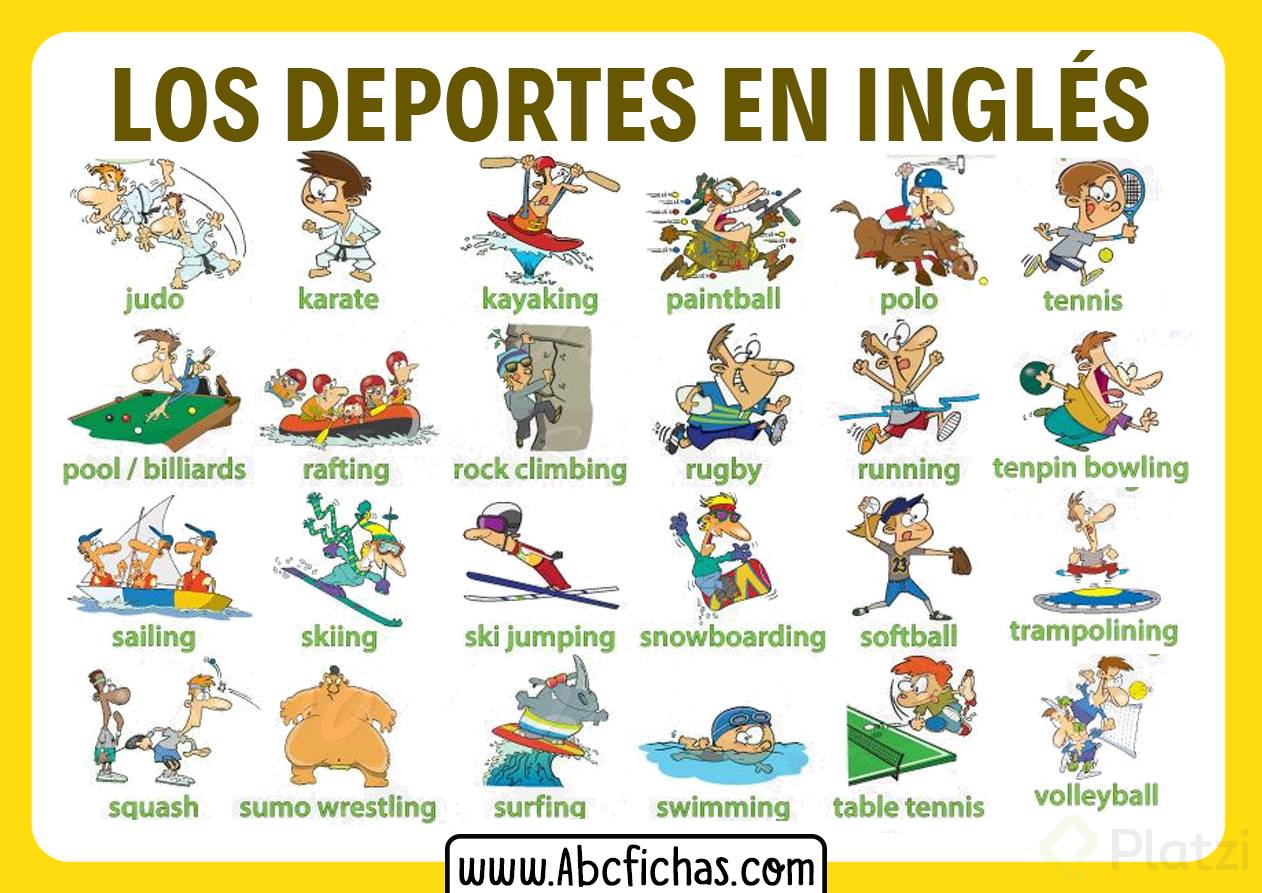
• What is wrong with the 4 patients? 1.The first patient he was in his garaje and he hit his head. 2.The second patient he was playin volleyball and he hurt his nose. 3.The third patient he was doing martial arts and he hurt his foot. 4.The fourth patient she was in the kitchen and she hurt her hand.
Hello everyone, this is my exercise: What happens to the 4 patients?
The first patient has a headache.
The second patient hurt his nose.
The third patient injured his foot.
The fourth patient injured his hand.
What happened to them ?
The first patient was in his garage, he must have hit something.
The second patient was playing volleyball, the ball must have hit him.
The third patient was doing martial arts, so he must have been hit by someone else.
The fourth patient was in the kitchen, maybe she was cooking.
the first patient hurt his head, he was in the garage and hit himself with something. the second patient hurt his nose, he was play volleyball and it could be that the ball hit him in the nose. the third patient hurt his foot, he was doing martial arts and the oponent broke his foot and threatened to kill him and his family and the last one hurt her hand, meaby she take something hot and burn her hand
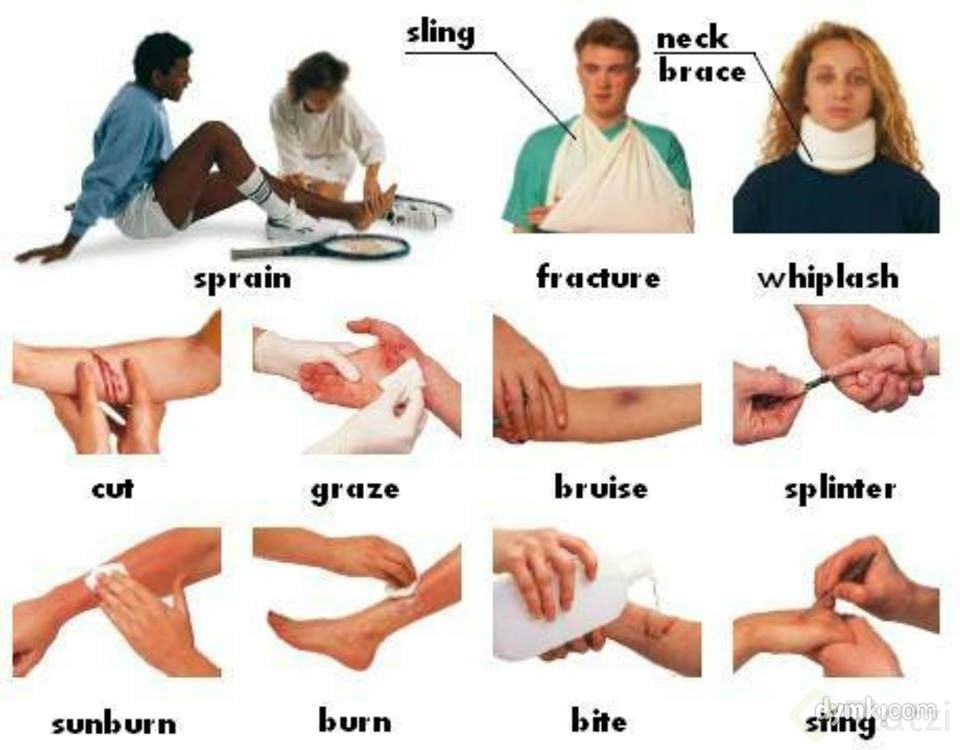
🚑 Accidentes y Lesiones Comunes
Los accidentes son eventos inesperados que pueden ocurrir tanto en casa como durante actividades físicas. 🏡🤕
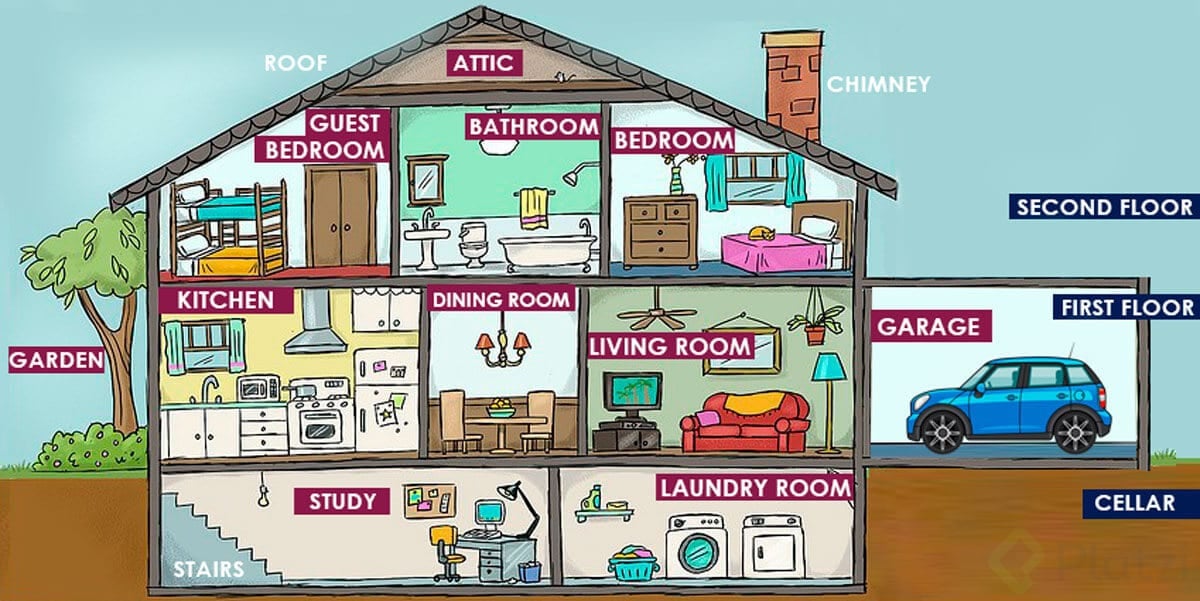
🏠 Accidentes en el Hogar
Saber el nombre de las habitaciones en inglés te ayuda a contar lo que ocurrió:
🗣️ Ejemplos de accidentes en casa:
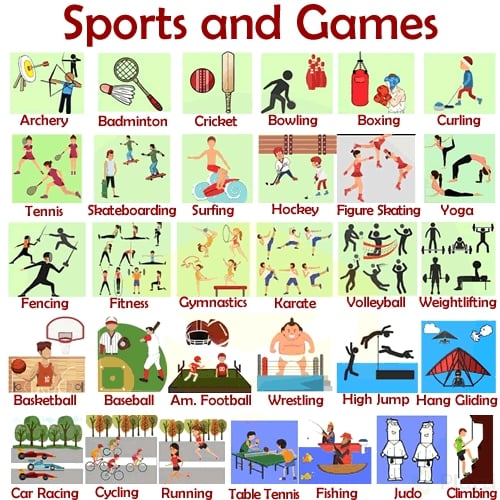
🏅 Lesiones Deportivas
Muchos deportes implican riesgo de lesiones. ¡Precaución! ⚠️
🗣️ Ejemplo:
🎧 Actividad del Role-play
Tras escuchar el diálogo, responde:
📥 Comparte tus respuestas en los comentarios.
What is wrong with the 4 patients?
the first hurt her head when he was in the garage
the second one hurt her nose when he was playing volleyball
the third one hurt her foot when he was doing martial arts
and the last one hurt his hand when she was in the kitchen
One of the patients had a wound on her hand.
What is wrong with the 4 patients?
The first patient hurt his head in the garage.
The second patient hurt his nose while playing volleyball.
The third patient was doing martial arts and hurt his foot.
The fourth patient was in the kitchen and hurt her hand.


