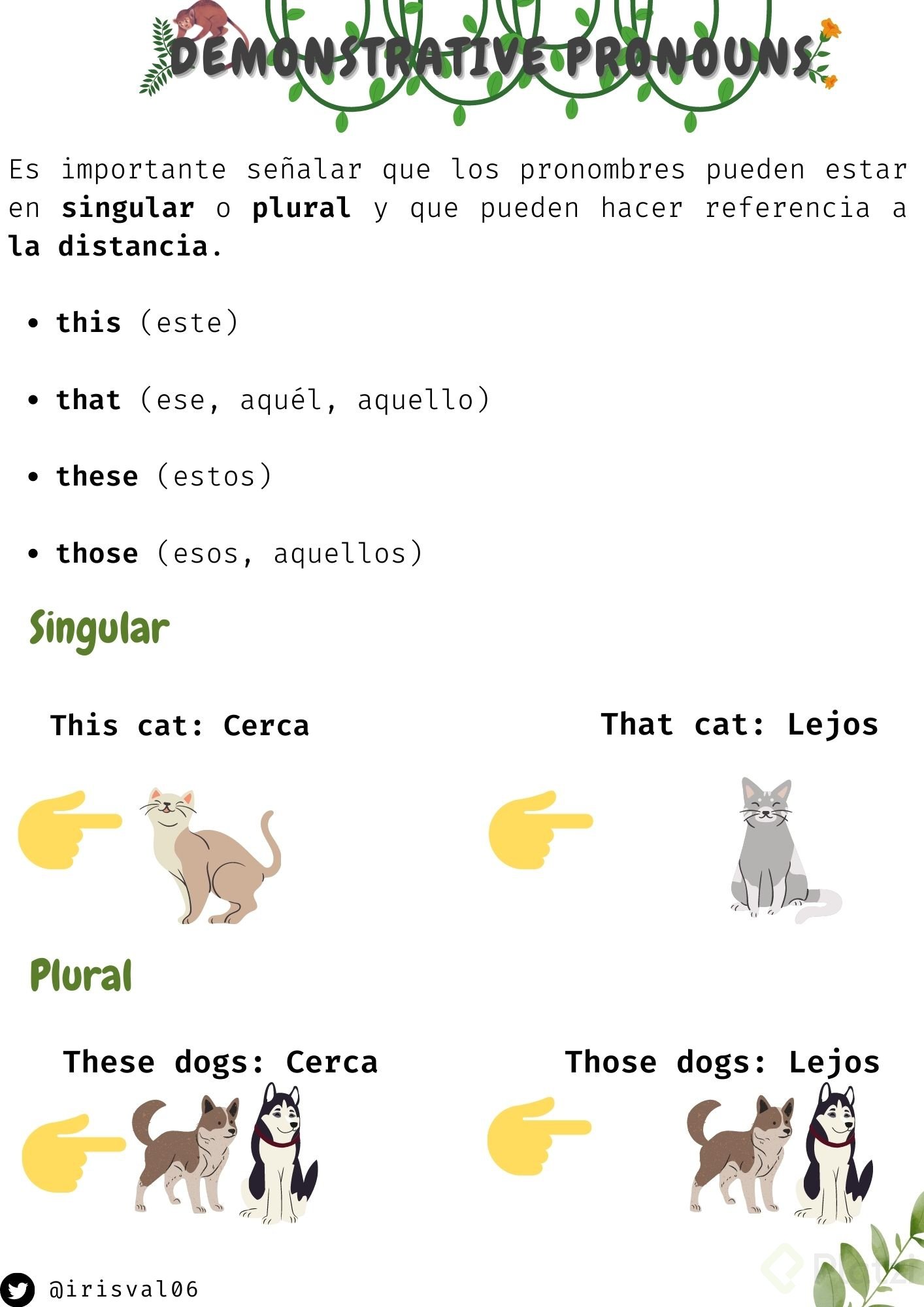
Knowing how to answer the question "Where are you?" is one of the most essential skills in everyday English. Understanding which preposition to use — in, on, or at — makes the difference between sounding natural and creating confusion. This guide breaks down the most common prepositions of place so you can talk about locations with confidence.
How do prepositions like beside, behind, and under work?
Before getting into the big three (in, on, at), there are other prepositions that help describe positions relative to objects and people [0:18].
- Beside means the same as next to: "I am beside the window."
- Behind is the opposite of in front of: "The bookshelf is behind me."
- Under is the opposite of over: "My cat is under the desk."
- Over indicates something above: "The light is over me right now."
These pairs — beside/next to, behind/in front of, under/over — are opposites that work together. Learning them in pairs makes them much easier to remember.
What is the triangle method for in, on, and at?
A helpful way to understand these three prepositions is to picture a giant triangle that goes from general to very specific [1:18]. Each preposition occupies a different level of that triangle.
When do you use in for locations?
The preposition in sits at the top of the triangle because it refers to general locations [1:30]:
- Countries and cities: "I live in Rio de Janeiro" or "I work in Bogota, Colombia."
- Neighborhoods: "I live in Rosales."
- Enclosed spaces: "I am in my room" or "I have my cell phone in my pocket."
The key idea is that in works for broad areas or spaces that are enclosed — they have walls, boundaries, or are closed in some way.
When is on the right choice?
The preposition on is more intermediate — not super general, not super specific [2:24]:
- Streets and avenues: "I live on Washington Street" or "I work on Rogers Avenue."
- Surfaces, both horizontal and vertical: "Those paintings are on the wall" (vertical) or "My computer is on the desk" (horizontal).
- Floors of a building: "I live on the 10th floor" or "My office is on the second floor." Notice that ordinal numbers are used here — second, tenth — not cardinal numbers.
An important detail: you say on the second floor, never in the second floor [3:08].
Why is at the most specific preposition?
At the bottom of the triangle, at is reserved for very specific locations [3:20]:
- Full addresses with numbers: "I live at 345 South Washington Street."
- Specific, unique places: "I work at Platzi," "I study at the university," or "My mom works at a hospital."
Whenever you mention a particular institution or a precise address, at is the preposition to reach for.
How can you practice in, on, and at right now?
The best way to internalize these prepositions is by applying them to your own life [3:55]. Try answering these two questions using all three prepositions:
- Where do you live? Give one answer with in (your city or country), one with on (your street), and one with at (your full address).
- Where do you work? Follow the same pattern: in for the city, on for the street, and at for the specific place.
Writing these answers down reinforces the structure and helps you recall the correct preposition naturally. These three uses covered here are the most common in daily conversation, though in, on, and at do appear in other contexts as well. Start with these foundations and you will feel much more comfortable describing any location in English.
Share your own examples — where do you live and where do you work using in, on, and at?