Learning the names of the body parts is one of the first steps to building a solid English vocabulary. In this lesson, you will practice identifying key parts of the body and using comparative and superlative adjectives to describe them — a combination that is both practical and fun.
What are the main body parts in English?
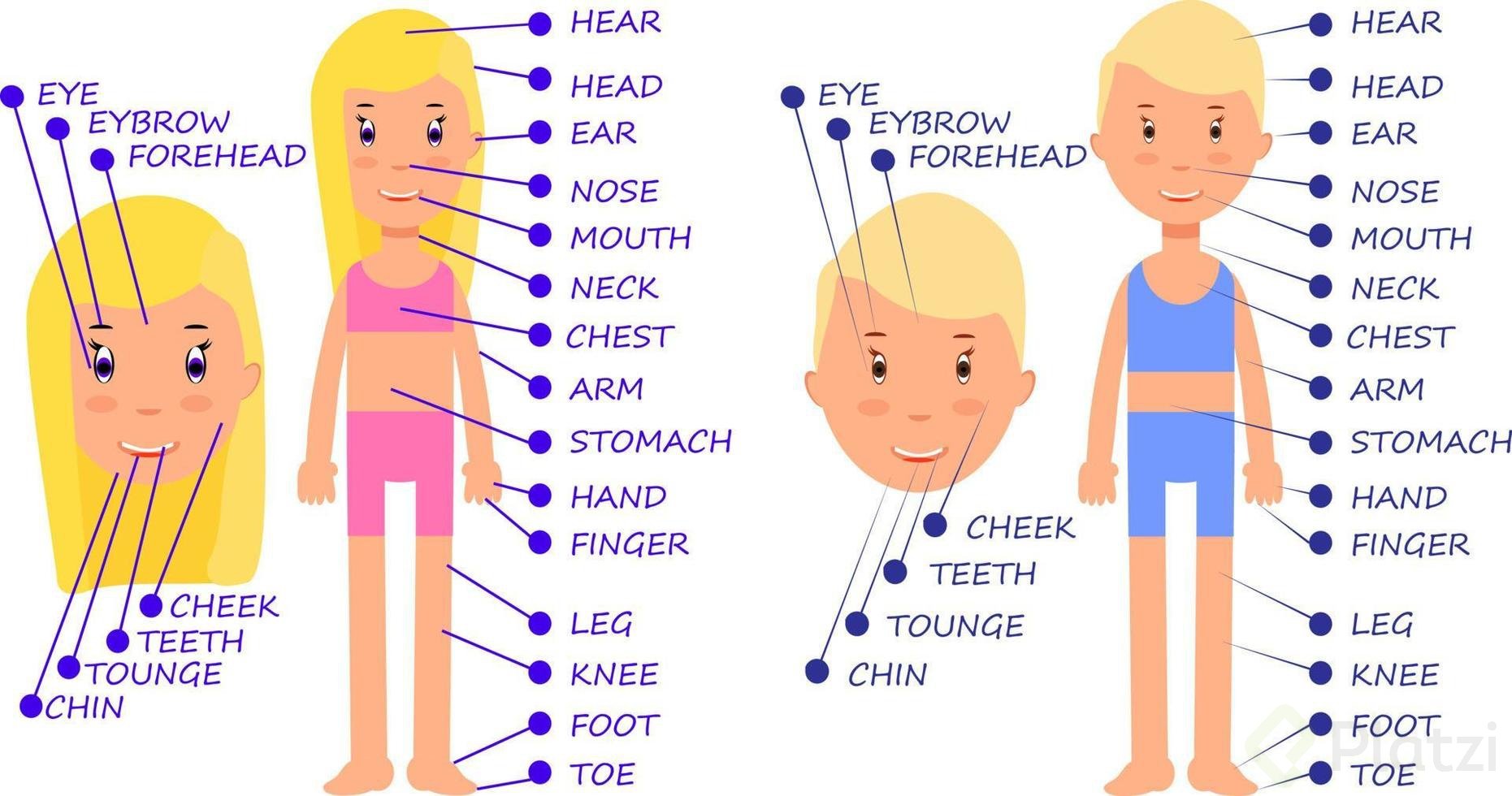
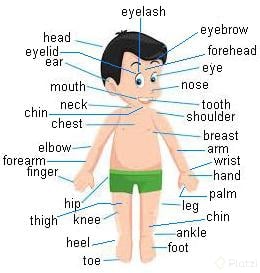
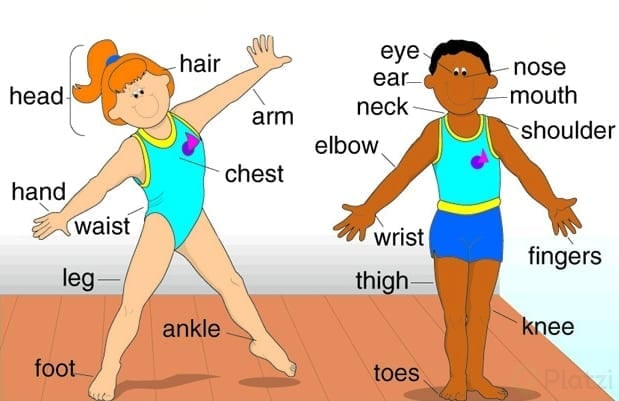
The lesson starts with a clear list of essential vocabulary. Each word is introduced and pointed out visually so you can connect the term with its location on the body [0:18]:
- Head — the top of your body.
- Ear — on each side of your head.
- Neck — connects your head to your body.
- Shoulder — at the top of each arm.
- Arm — from your shoulder to your hand.
- Elbow — the joint in the middle of your arm.
- Hand — at the end of your arm.
- Chest — the front of your upper body.
- Leg — from your hip to your foot.
- Knee — the joint in the middle of your leg.
After the first round, three additional body parts are introduced [1:37]:
- Fingers — the five digits on each hand.
- Palm — the flat, inner surface of your hand.
- Hips — the area on each side of your lower body.
A great way to practice is to point to each part on your own body while saying the word out loud. Repetition builds muscle memory for both pronunciation and recall.
How do comparative and superlative adjectives work?
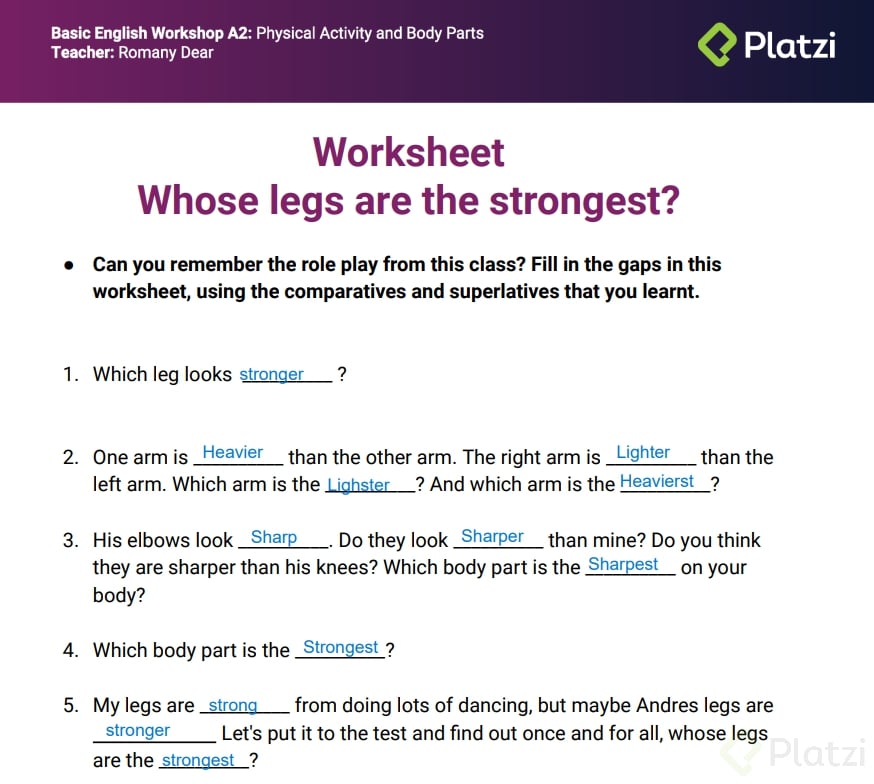
Once the vocabulary is in place, the lesson shifts to adjectives that compare things [1:55]. This is where the grammar concept of comparatives and superlatives comes in.
What is the difference between heavier and heaviest?
Using weights as an example, the lesson shows:
- "This weight feels heavier than this weight." — comparing two items.
- "This weight feels lighter than this weight." — the opposite comparison.
- "Which weight is the heaviest?" — picking the extreme from a group.
- "Which weight is the lightest?" — the opposite extreme.
The pattern is simple: add -er for comparing two things and -est for identifying the most extreme in a group. These endings apply to short adjectives like light, sharp, and strong.
How do you use sharper and strongest in real sentences?
The lesson then moves to elbows and arms [2:16]:
- "My elbow looks sharp. Does his elbow look sharper than mine?"
- "Whose elbows are the sharpest?"
For arms, the speakers debate who is stronger [2:30]:
- "My arms are stronger because I do a lot of pushups."
- "My arms are stronger because I like to lift weights."
- "Whose arms are the strongest?"
Notice how each sentence follows the same structure: subject + verb + comparative/superlative adjective + reason or comparison. Practicing this pattern with different body parts helps you internalize both vocabulary and grammar at the same time.
How can you keep practicing?
Try describing your own body using comparatives. Compare your hands with a friend's: "My fingers are longer than yours." Or go superlative: "She has the sharpest elbows in the class." Mixing body-part vocabulary with adjective forms turns simple words into full, expressive sentences.
Which other body parts can you name? Share them in the comments and try writing a comparative sentence for each one.