Primera prueba
Contenido del curso
Primera prueba
Contenido del curso

Andrés Quintero Arias

Cesar Elías Armendariz Ruano

Miguel Angel Coy Triana

Alexei Alvarez

Jorge Luis Silva Medina
Modifiqué algo la función de calcIMC para que no tuviera tantos validadores lógicos y no toque hacer tantas pruebas para los branches:
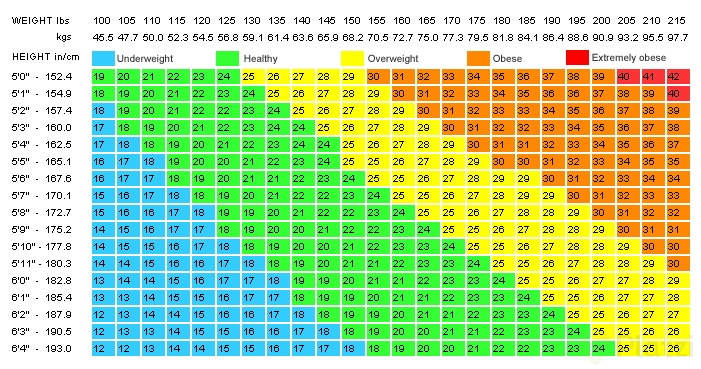
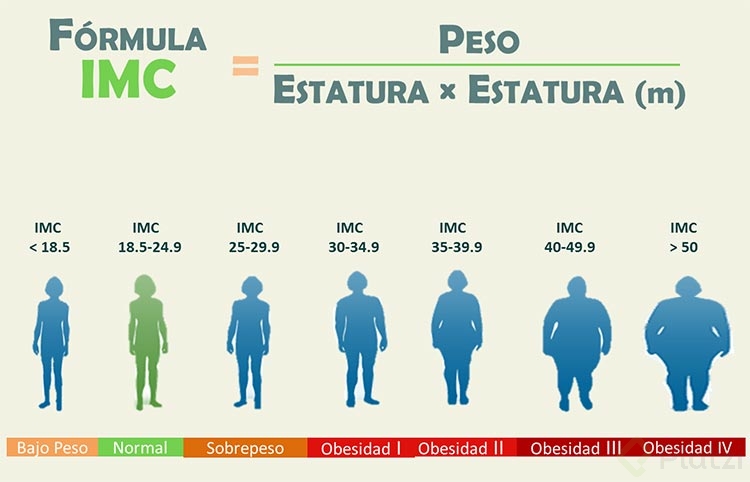
calcIMC(): string { const imc = Math.round(this.weight / (this.height * this.height)); // 0 - 18 = down // 19 - 24 = normal // 25 - 26 = overweigth // 27 - 29 = overweigth level 1 // 30 - 39 = overweigth level 2 // 40 = overweigth level 3 if (imc >= 40) { return 'overweight level 3'; } else if (imc >= 30) { return 'overweight level 2'; } else if (imc >= 27) { return 'overweight level 1'; } else if (imc >= 25) { return 'overweight'; } else if (imc >= 18) { return 'normal'; } else if (imc >= 0) { return 'down'; } else{ return 'not found' } }
vamos a crear una clase persona con la función de calculo de masa corporal.
primero creamos la clase persona
person.model.ts
export class Person { constructor( public name: string, public lastName: string, public age: number, public weigth: number, public heigth: number, ) {} calcIMC(): string { const result = Math.round(this.weigth / (Math.pow(this.heigth, 2))); // 0 - 18 = down // 19 - 24 = normal // 25 - 26 = overweigth // 27 - 29 = overweigth level 1 // 30 - 39 = overweigth level 2 // 40 = overweigth level 3 switch(true) { case result < 0: return 'not found'; break; case result >= 0 && result < 19: return 'down'; break; case result >= 19 && result < 25: return 'normal'; break; case result >= 25 && result < 27: return 'overweigth'; break; case result >= 27 && result < 30: return 'overweigth level 1'; break; case result >= 30 && result < 40: return 'overweigth level 2'; break; case result >= 40: return 'overweigth level 3'; break; default: return 'not found'; break; } } }
y hacemos los casos de prueba para ese modelo
person.model.spec.ts
import { Person } from './person.model'; describe('Test for Person', () => { let person: Person; beforeEach(() => { person = new Person('Cesar', 'Armendariz', 29, 120, 1.75); }); it('attrs', () => { expect(person.name).toEqual('Cesar'); expect(person.lastName).toEqual('Armendariz'); expect(person.age).toEqual(29); expect(person.weigth).toEqual(120); expect(person.heigth).toEqual(1.75); }); describe('test for calcIMC', () => { it('should return a string: overweigth level 2', () => { // Arrange person.weigth = 120; person.heigth = 1.78; // Act const rta = person.calcIMC(); // Assert expect(rta).toEqual('overweigth level 2'); }); it('should return a string: not found', () => { // Arrange person.weigth = -10; person.heigth = 1.78; // Act const rta = person.calcIMC(); // Assert expect(rta).toEqual('not found'); }); it('should return a string: down', () => { // Arrange person.weigth = 40; person.heigth = 1.78; // Act const rta = person.calcIMC(); // Assert expect(rta).toEqual('down'); }); it('should return a string: normal', () => { // Arrange person.weigth = 70; person.heigth = 1.78; // Act const rta = person.calcIMC(); // Assert expect(rta).toEqual('normal'); }); it('should return a string: overweigth', () => { // Arrange person.weigth = 80; person.heigth = 1.78; // Act const rta = person.calcIMC(); // Assert expect(rta).toEqual('overweigth'); }); it('should return a string: overweigth level 1', () => { // Arrange person.weigth = 90; person.heigth = 1.78; // Act const rta = person.calcIMC(); // Assert expect(rta).toEqual('overweigth level 1'); }); it('should return a string: overweigth level 3', () => { // Arrange person.weigth = 150; person.heigth = 1.78; // Act const rta = person.calcIMC(); // Assert expect(rta).toEqual('overweigth level 3'); }); }); });
Las pruebas de los casos en que debería retornar el string “Not found”
it('should return a string: Not found', () => { person.weight = 0; person.height = 0 expect(person.calcIMC()).toEqual('Not found'); person.weight = -48; person.height = -1.70; expect(person.calcIMC()).toEqual('Not found'); })
Arrange: (Arreglar). Se establece el estado inicial, conocida como el sujeto a probar. Aquí se inicializan variables, importaciones. Se crea el ambiente a probar.
Act (Actuar): Se generan acciones o estímulos. Se llaman métodos, o se simulan clicks por ejemplo
Assert (Afirmar): observar el comportamiento. Los resultados son los esperados. Eje: Que algo cambie, se incremente, o no suceda nada.
Para que puedar realizar sus comparaciones acorde a los rangos