Building community is one of the most valuable skills in professional networking, and knowing how to do it in English opens doors to global opportunities. From personal outreach to social media, there are proven strategies that help you connect with the right people — and the language you use matters more than you might think.
What strategies work best for creating community?
Creating community goes beyond simply meeting people. It requires intentional strategies both inside and outside your company [00:42]. Here are some of the most effective approaches:
- Personal outreach: one-on-one communication remains one of the most powerful ways to connect with others [01:06].
- Cold calls: these involve contacting someone you don't know, essentially reaching out "out of the blue" to make a sales pitch. The word cold reflects that there is no prior relationship. They are more challenging, but can still be very effective [01:14].
- Networking events: these provide a natural audience of people who are already open to making connections [01:46].
- Company logo products: bringing branded items like a pen or notebook to events creates a natural conversation starter. Someone might notice your company logo and ask about it, opening the door to an organic introduction [02:08].
- Email outreach: both formal and informal emails are a strong tool for building community, connecting what you may have already practiced in professional email communication [02:47].
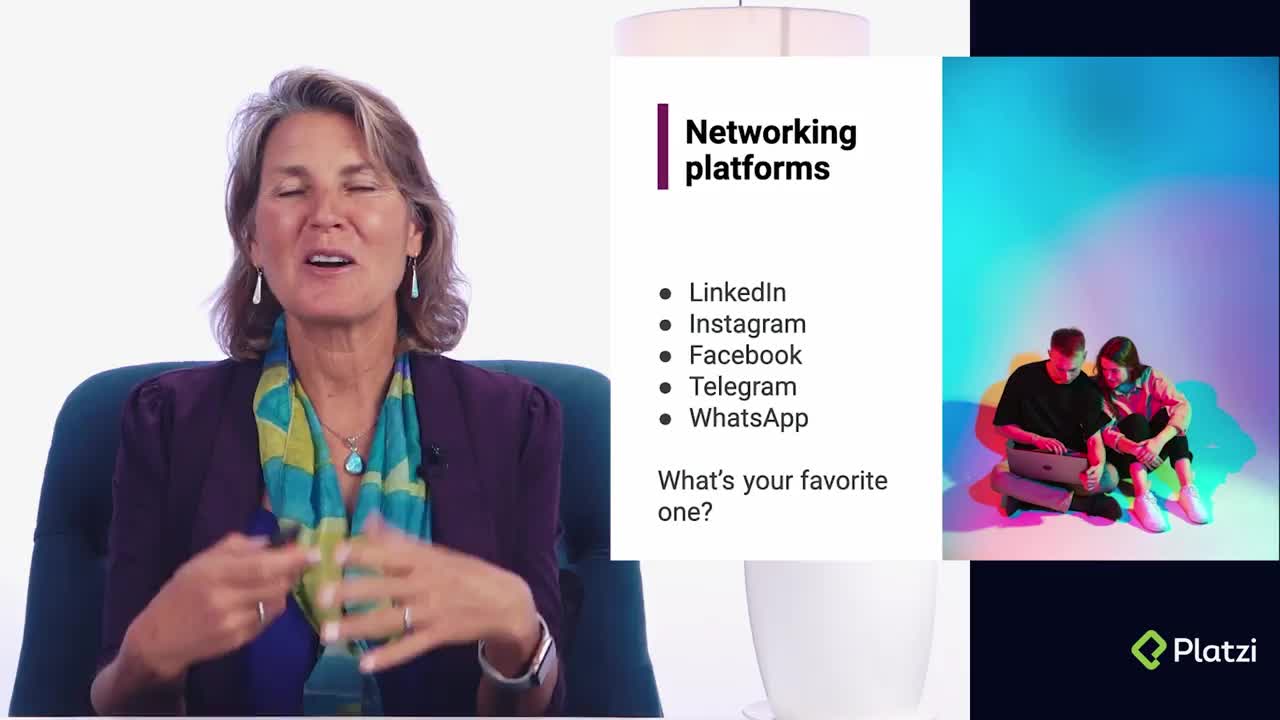
- Social media: platforms like Instagram and Facebook offer a plethora of opportunities to grow your network in this generation [03:00].
The idea of a conversation starter is especially important. Rather than forcing an interaction, having something visible — like a branded product — invites curiosity and makes the first exchange feel natural [02:20].
How can you introduce yourself using the present perfect tense?
When building community in English, the way you introduce yourself sets the tone. The present perfect tense is particularly useful because it indicates something that started in the past but continues to the present [03:28]. This makes your introduction feel relevant and connected to the moment.
Here are three practical examples shared during the lesson [03:40]:
- "I've wanted to introduce myself for a long time, and now I finally get the chance to introduce myself to you."
- "I've heard a lot about you through social media. Now it's great to meet you in person."
- "I've noticed you on Instagram and I'd like to learn more about your company."
Notice how each sentence uses I've + past participle (wanted, heard, noticed) to bridge past interest with present opportunity. This structure sounds professional and warm at the same time.
Why does the present perfect matter in networking?
Using the present perfect shows that your interest is not sudden or random. It communicates that you have been aware of someone's work or presence for a while, which builds trust immediately. Compare "I want to meet you" with "I've wanted to meet you for a long time" — the second version carries much more weight and sincerity.
How can you practice these introductions?
Try writing three complete introductions using the present perfect tense. Make sure each sentence is finished with a clear purpose, just as the examples above do. Don't stop at "I've heard about you" — add what comes next: why you're reaching out and what you'd like to discuss.
The best networking happens when strategy meets authentic language. Think about which community-building approach works best for you, craft your introduction, and share your ideas in the comments.