Creación de un Árbol Genealógico Familiar
Clase 2 de 16 • Curso de Inglés Práctico sobre los Miembros de la Familia
Contenido del curso
Clase 2 de 16 • Curso de Inglés Práctico sobre los Miembros de la Familia
Contenido del curso

martin.gonzalez1969

Jorge Alberto Ponce Godinez

Andrés Soret Chacin

Tomas Salina

Javier Ramos

Marvin Alvarado

Santiago Tellez Hernandez

Elkin Estiver Rios Doza

Darvin Orozco

Esteban Vladimir Alvarenga Gutiérrez

Estuardo González
Marvin Alvarado

Karla Merlos

Sebastián Reyes

Robert Araujo

silfredo mario

Mi Chu

Alejandro Ivan Mendieta

Fred Osorio

Carlos Miguel Colque Montoya

José Fabián Beltrán Meza
Saida Mabel Arrieta

Daniel Steven Carrera Osorno

Kelly Johanna

Daniel Palacios

José Israel Orantes Illescas

Lina Carrascal Contreras
José Israel Orantes Illescas
Julieth Estefanía Osorio

Jorge Lopez

Alvaro de Jesús Aguilar López

Jeans Pierre Monrroy Caicedo

Ferney Morales

Viviana Zamudio

Jeffrei Alexander Rodríguez Esquité
shaneen mariana Campos Matta
Daniel Steven Carrera Osorno
Thanks for the information! But in the picture I can´t see your wife?
Fantastic!
Excellent contribution
Great!
thanks for sharing
Great summary! thanks a lot for write down all these info. about our families.
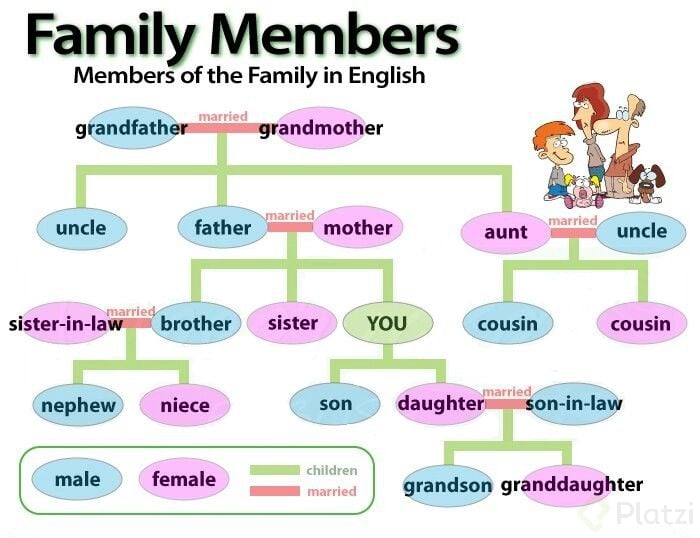
**⚠️ ¡¡Remember!!⚠️ ** We will use "- in-law" When speak of the person (Normally Wife or husband) that doesn't are from us family but have a relationship with someone from us family.
For Example:
✅ "Family-in-law" is not more than "Familia política"
our family
Great!
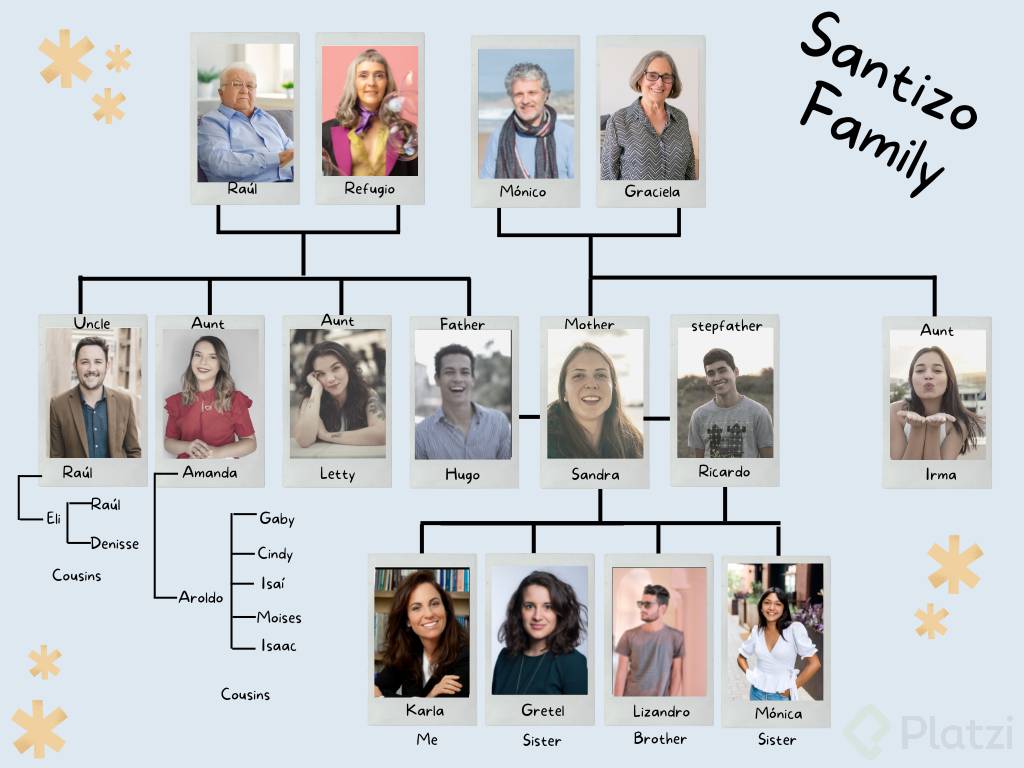
Wow, great job. You a have a wonderful family tree.
Cool, Great job Karla!
in-law, en español **in-law **es conocido como familia politica, por lo general, serian los padres de mi pareja, los tios de mi pareja, los abuelos de mi pareja, o los sobrinos de mi parejas.
finally after 13 years, I understand the term "in law" 😂😂
i too hahaha
It´s the same for me :)
👀 I share with you an example of Family Tree:
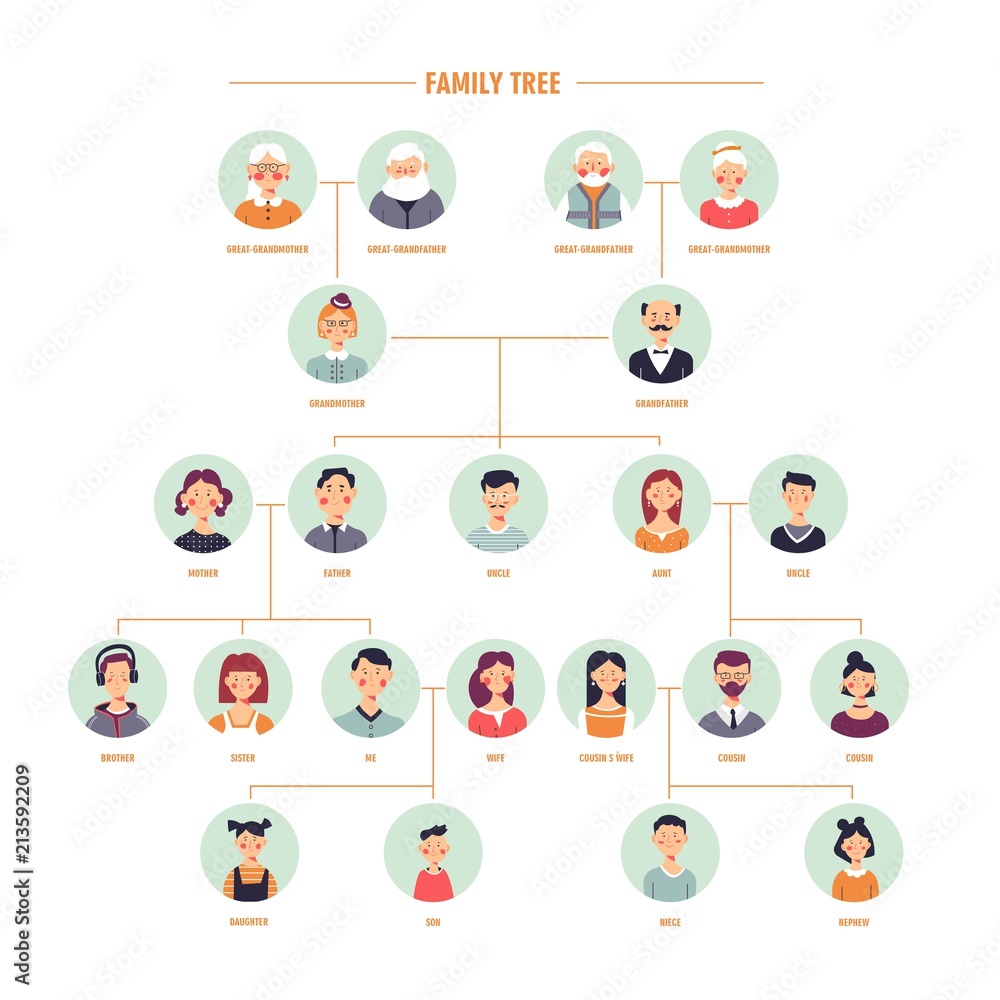
Hi, you have a little mistake whit yours niece and nephew.
My family tree:
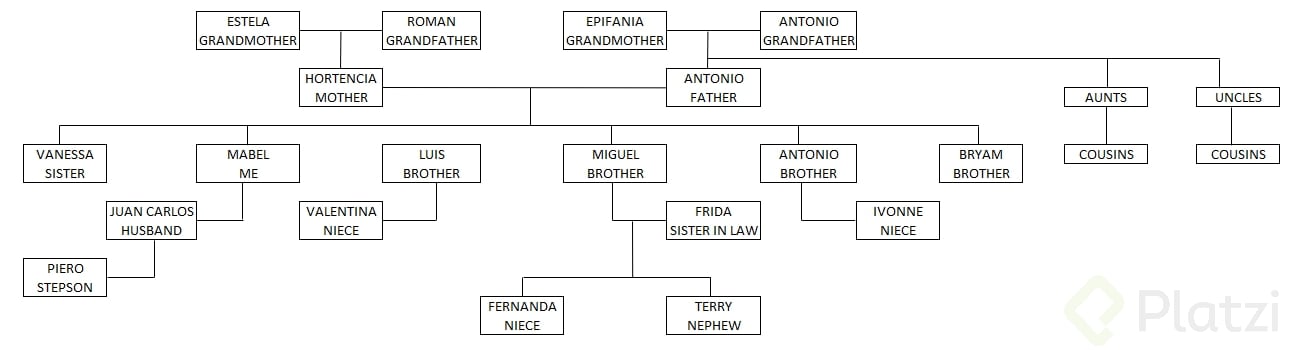
Hey! Miss, you have a bunch of "siblings"... 🤪
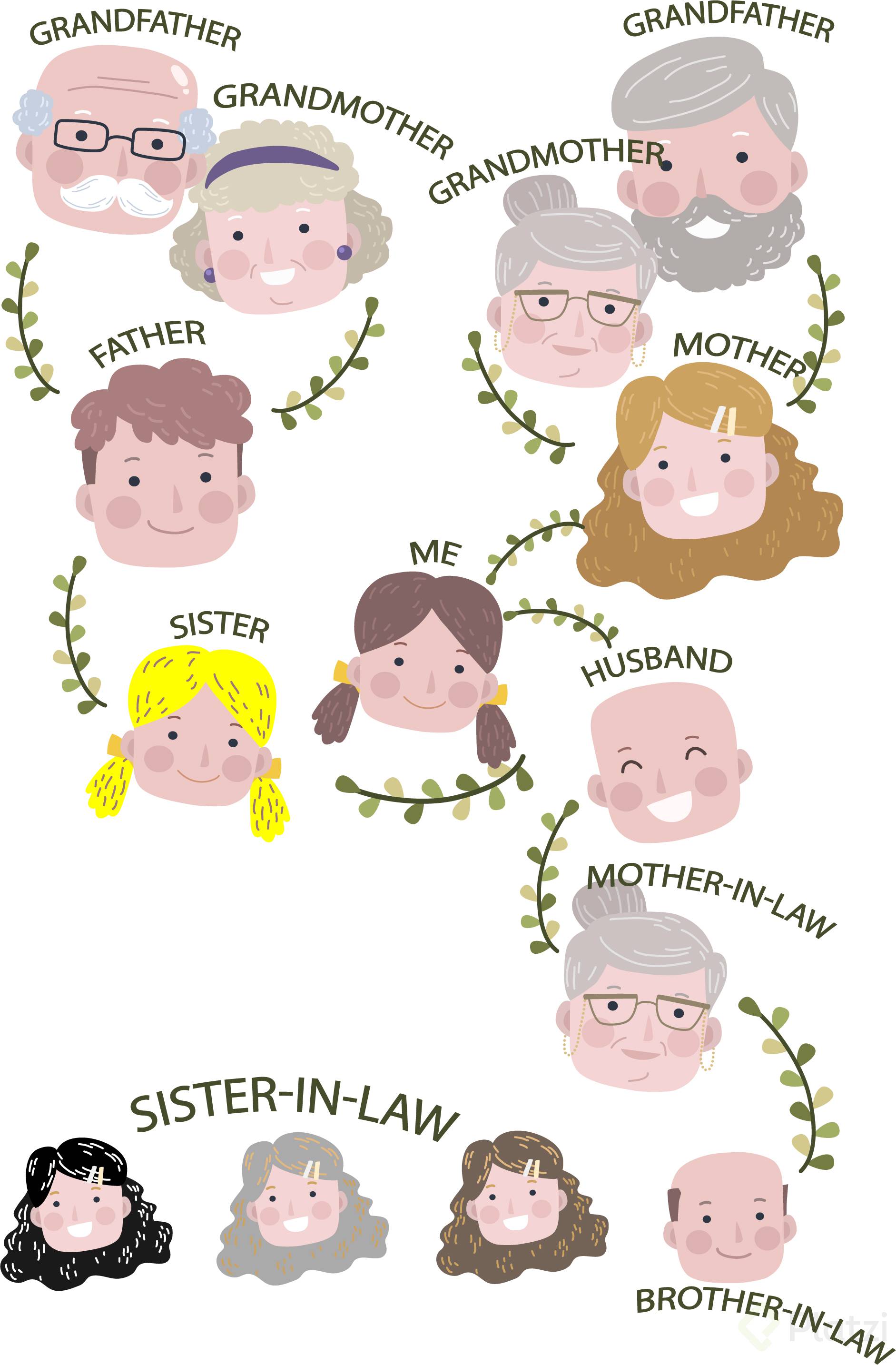
The English translation needs to be improved.
Hola a todos tengo una consulta ¿Como se diría Padrastro o Madrastra?
Stepfather or stepmother
Thank you very much for answering my comment.
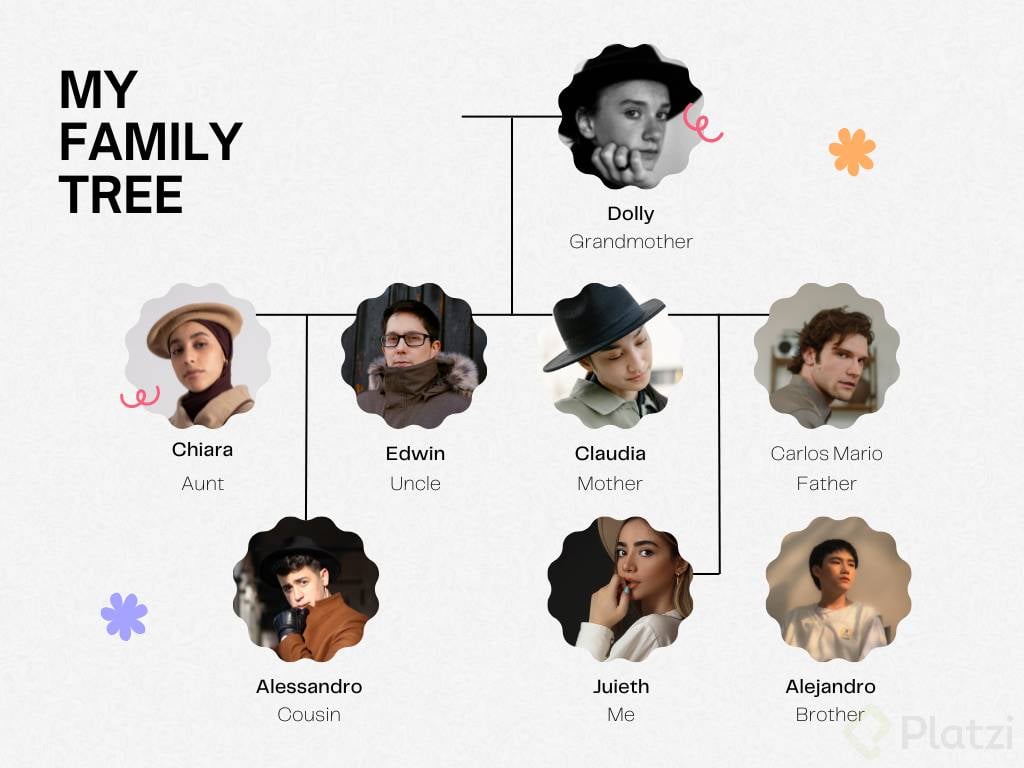
Close family:
Extended family: 1- Grandmother (maternal) 5 - Aunts (maternal) 8- cousins
In-laws: Mother-in-law Father-in-law 8- Sister-in-law 4- Brother-in-law
Extended family
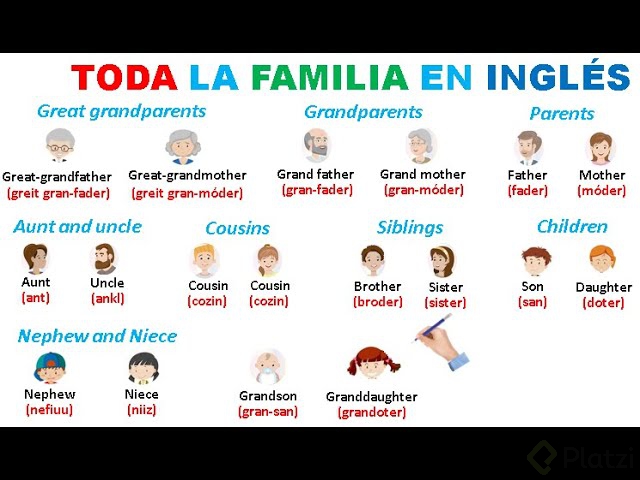
Niece or nephew
This means that this person is either the daughter or the son of your brother or your sister.
It’s your turn!
Create your family tree using the vocabulary of this class
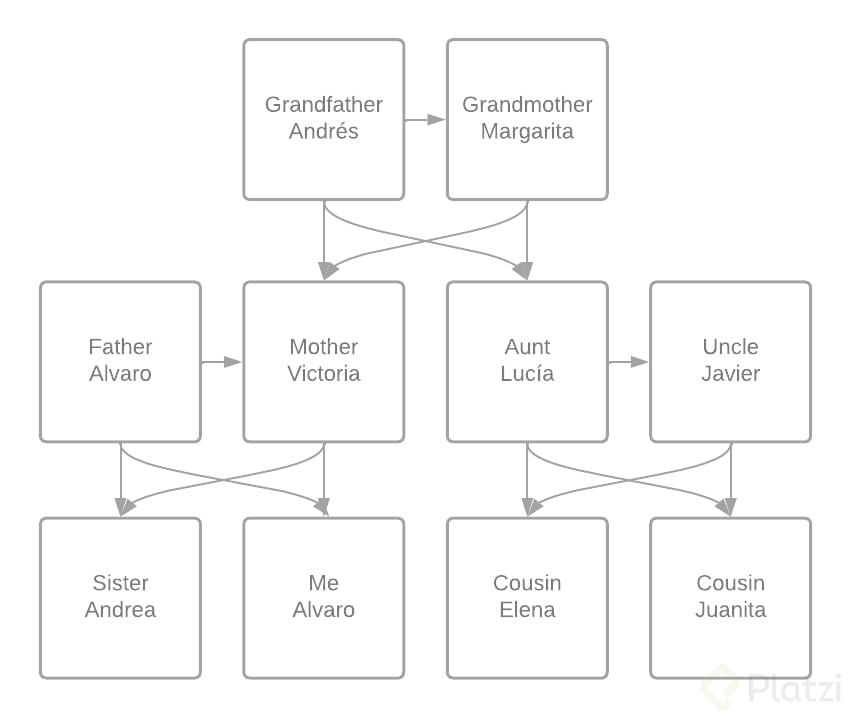
MY PRACTICE
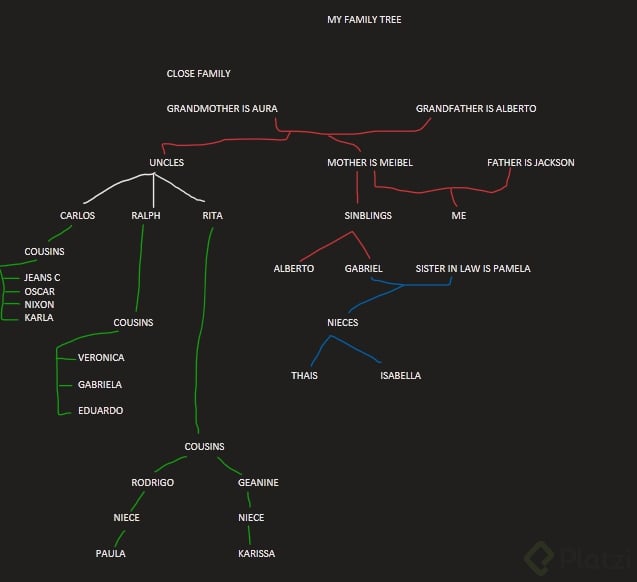
Hey Guys! I share my Family tree =)
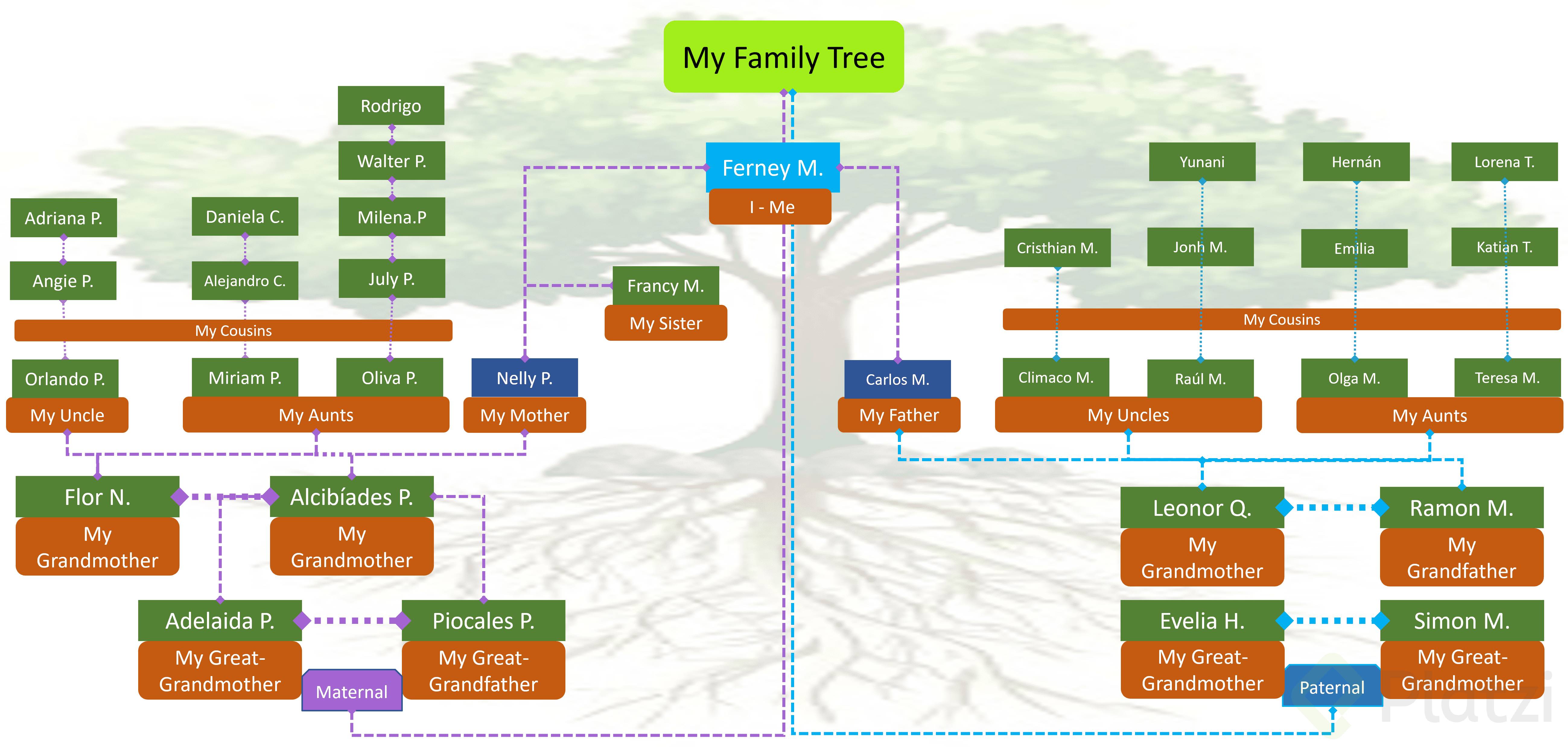
**Close family:
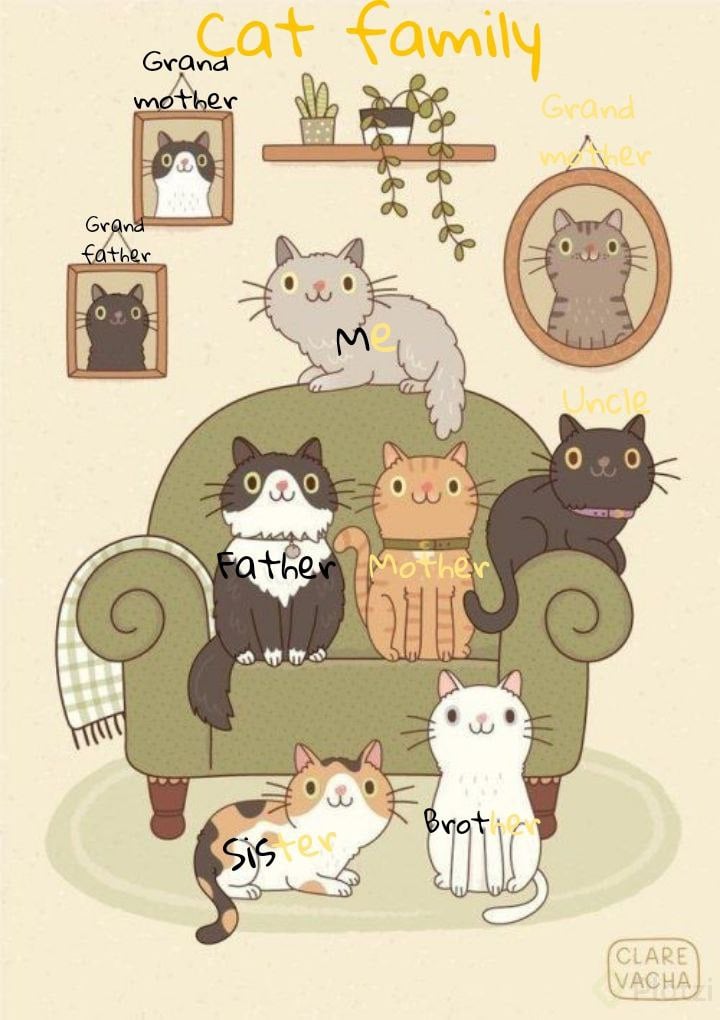
Thank you for sharing it Shaneen. Finally, I get the proper pronunciation of "nephew" and "niece"


