Mastering the small details of written English can transform how your readers perceive and understand your texts. Three foundational elements — capitalization, abbreviation, and indentation — often get overlooked, yet they are essential for clear, professional communication.
What are the basic capitalization rules you need to know?
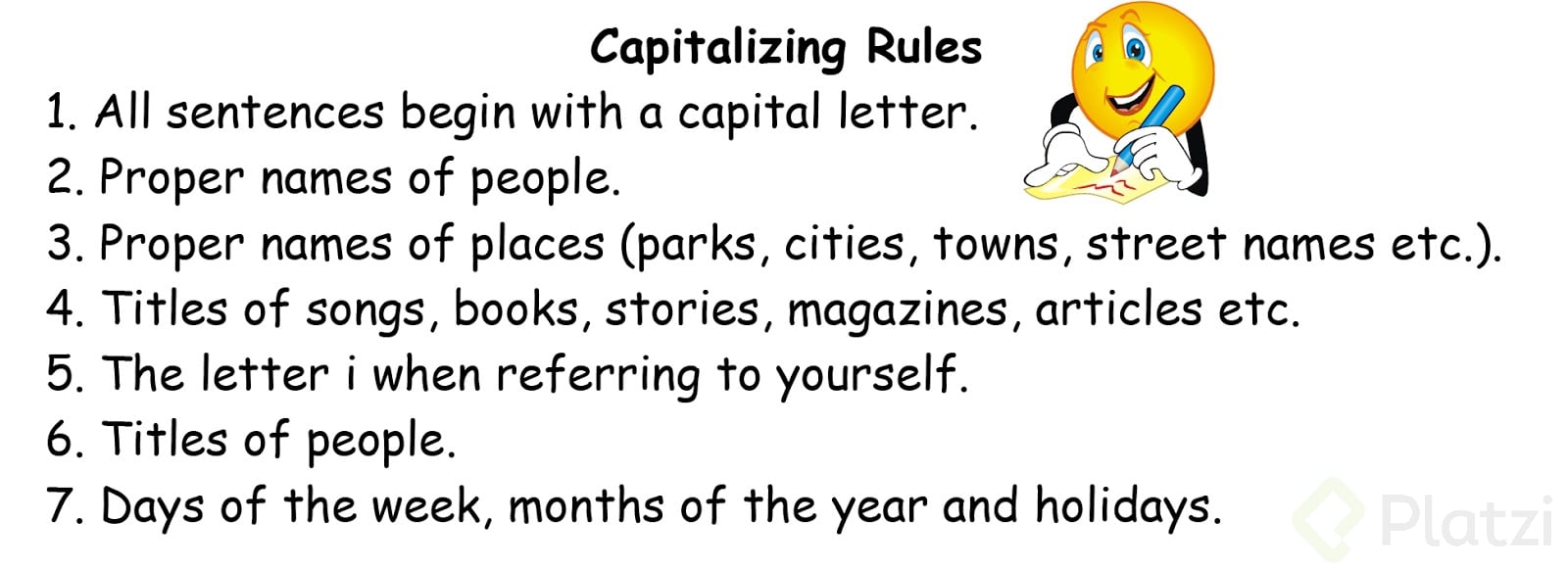
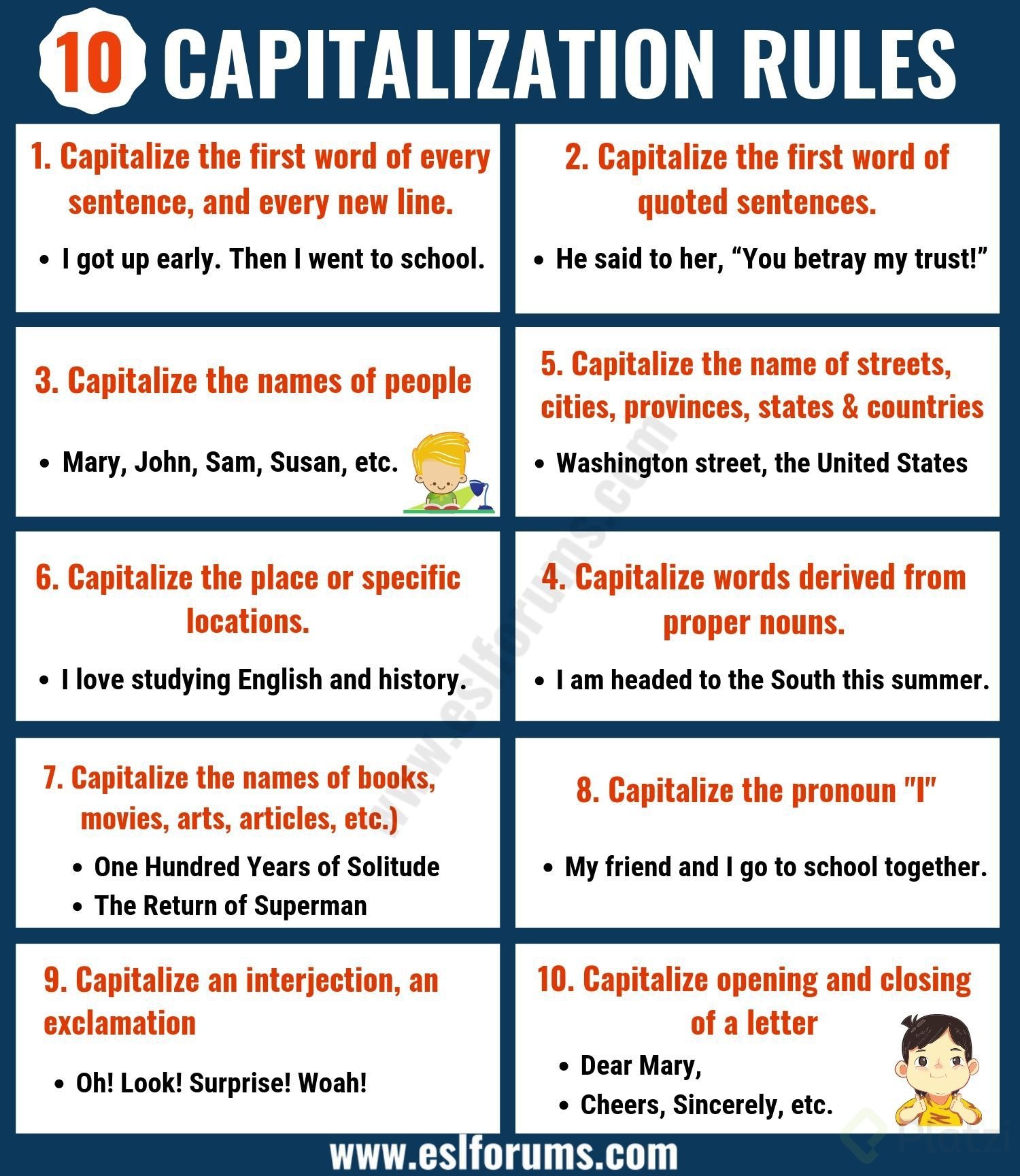
Capitalization refers to writing the first letter of a word in uppercase while keeping the remaining letters in lowercase [0:18]. There are several rules that guide when to apply it.
- Always start a sentence with a capital letter. For example: My name is Fernanda — the word "My" begins with a capital M [0:30].
- The pronoun "I" is always capitalized, regardless of its position in a sentence. In My sister and I watch TV, the pronoun I keeps its uppercase form whether it appears at the beginning, middle, or end [0:42].
- Names and titles use uppercase letters. When you write This is Mr. Jones, "Mr." carries a capital M as a title and "Jones" carries a capital J as a last name [1:00].
- Cities and countries require capital letters. In I live in Bogotá, Colombia, both the city and the country start with uppercase [1:14].
- Nationalities and languages are capitalized in English. The sentence I am Brazilian, and I speak Portuguese shows capital B for the nationality and capital P for the language [1:28].
- Days of the week, months, and holidays also take capital letters. Consider: Today is Sunday, February 14th. It's Valentine's Day [1:45].
How do abbreviations work in English?
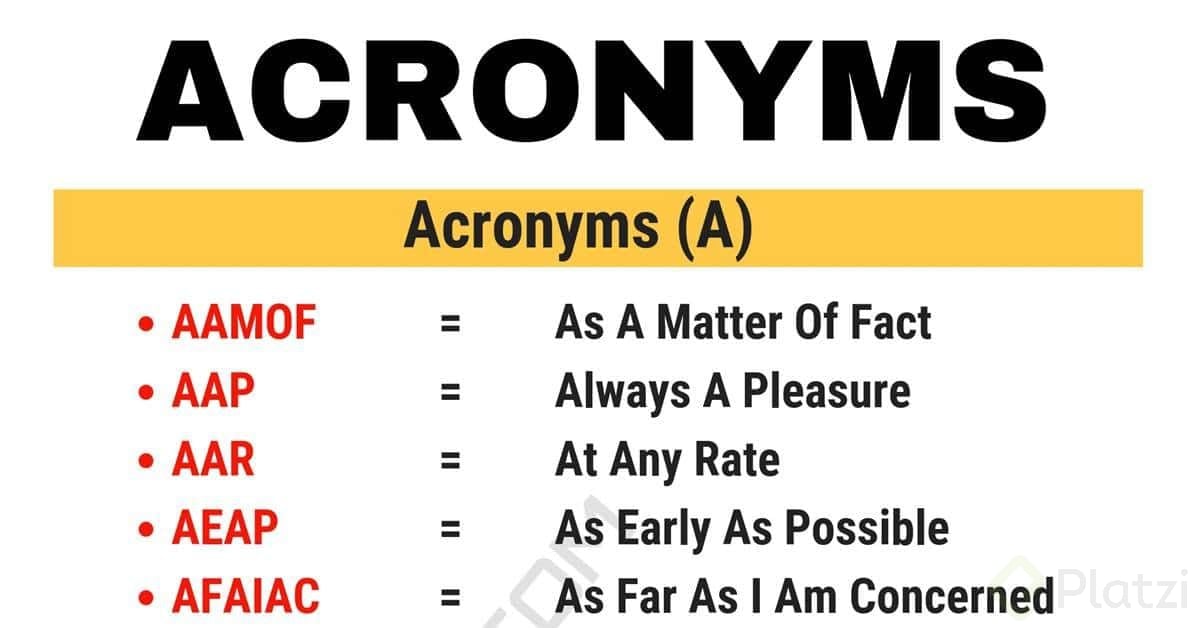
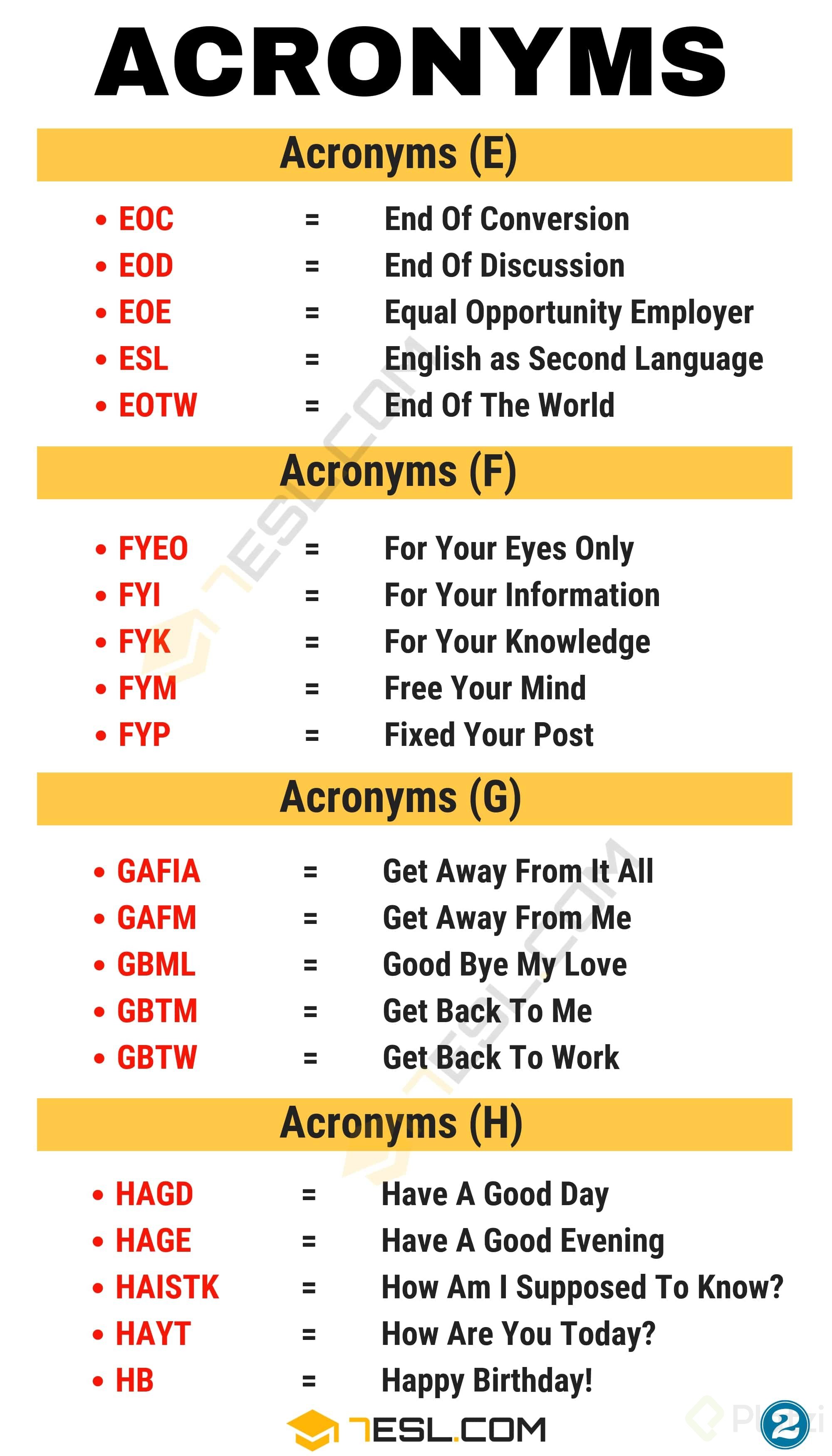
Abbreviations are the shortened form of a word [1:58]. They come in different types, and understanding the distinction matters.
What is the difference between an acronym and an initialism?
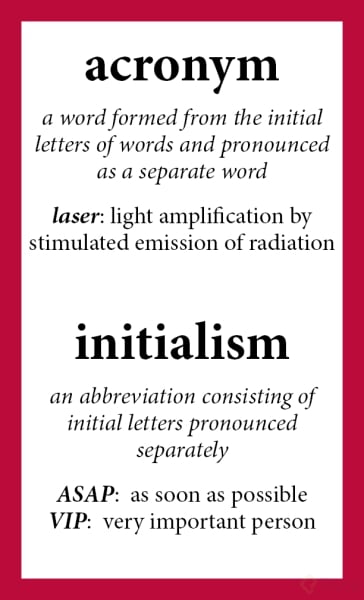
An acronym is formed using the first letter of different words, and you can pronounce it as a single word. Examples include PIN (Personal Identification Number), NASA, and laser [2:10].
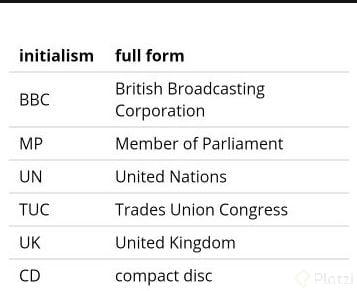
An initialism is also formed from the first letters of multiple words, but you cannot say it as a word — you must spell it out letter by letter. Think of DIY, USA, and DVD [2:30].
What other types of abbreviations exist?
Some abbreviations are created by removing letters from a single word [2:48]. You can find them in several categories:
- Titles: Mr., Dr.
- Times and dates: 10:00 AM, Jan., Mon.
- Places: Ave. (Avenue), St. (Street).
- Units of measurement: 20 g (grams), 80 oz (ounces).
An important detail: these abbreviated forms are only for writing. When speaking, you should always say the complete word [3:15].
There is also a notable difference between American English and British English regarding periods in abbreviations [3:25]. In American English, a period follows every abbreviation — Mr., Dr., Mon. In British English, you only add a period if the last letter of the abbreviation differs from the last letter of the original word. Since "Mr" and "Dr" both end in R, just like "Mister" and "Doctor," no period is needed. However, "Mon." ends with N while "Monday" ends with Y, so a period is required [3:40].
Which indentation format should you use for your paragraphs?
Indentation defines your paragraph format, and there are two main options [4:15].
The first-line indent leaves a small space between the left edge of the page and the beginning of your text. This format encourages a linear reading flow and is commonly used in biographies, narratives, and academic publications [4:22].
The block paragraph format arranges text in blocks with no indentation at the start of each paragraph. Instead, you leave a blank line between paragraphs. This structure conveys that all relevant information is contained within each block, making it ideal for guides and manuals [4:42].
Choosing the right format depends on the type of text you are writing and the experience you want to create for your reader. Share your thoughts and questions about these writing fundamentals in the discussion section.