Guests who report a lost passport or a child’s favorite toy are often distressed. Use a calm, structured approach to manage lost and found that reduces anxiety, speeds identification, and builds trust in your service.
Why empathy and structure matter in lost and found management?
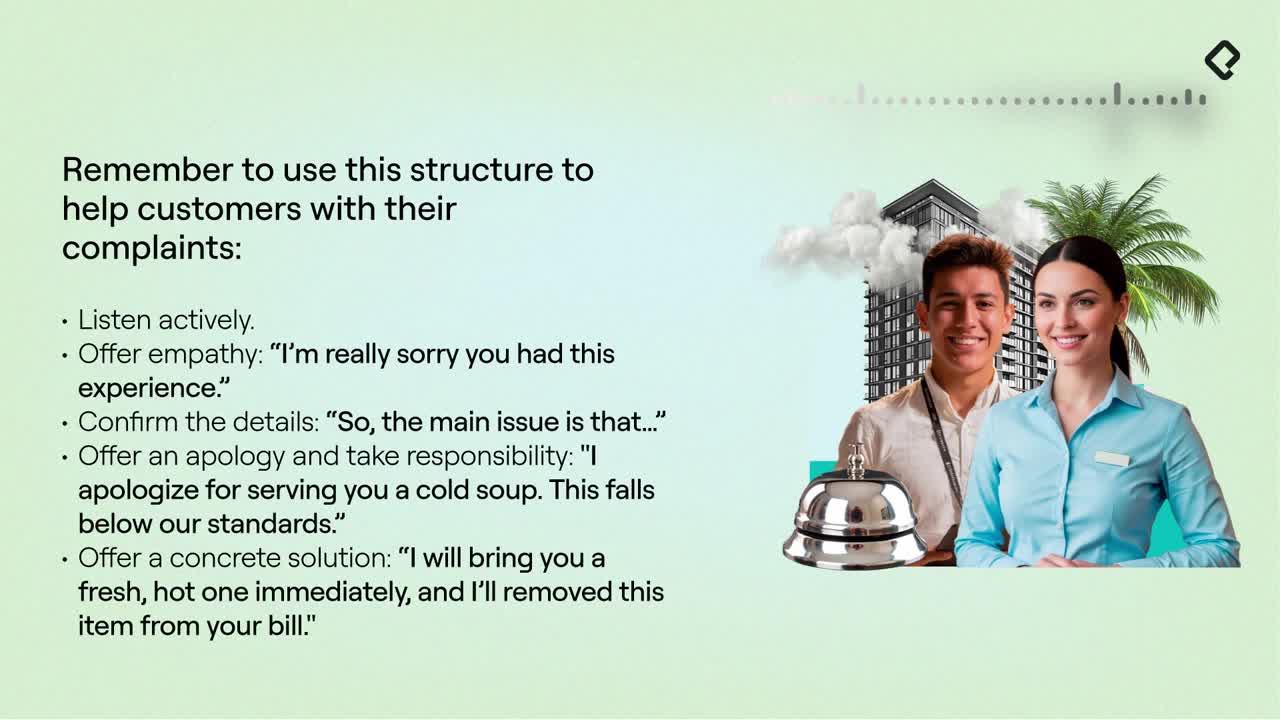
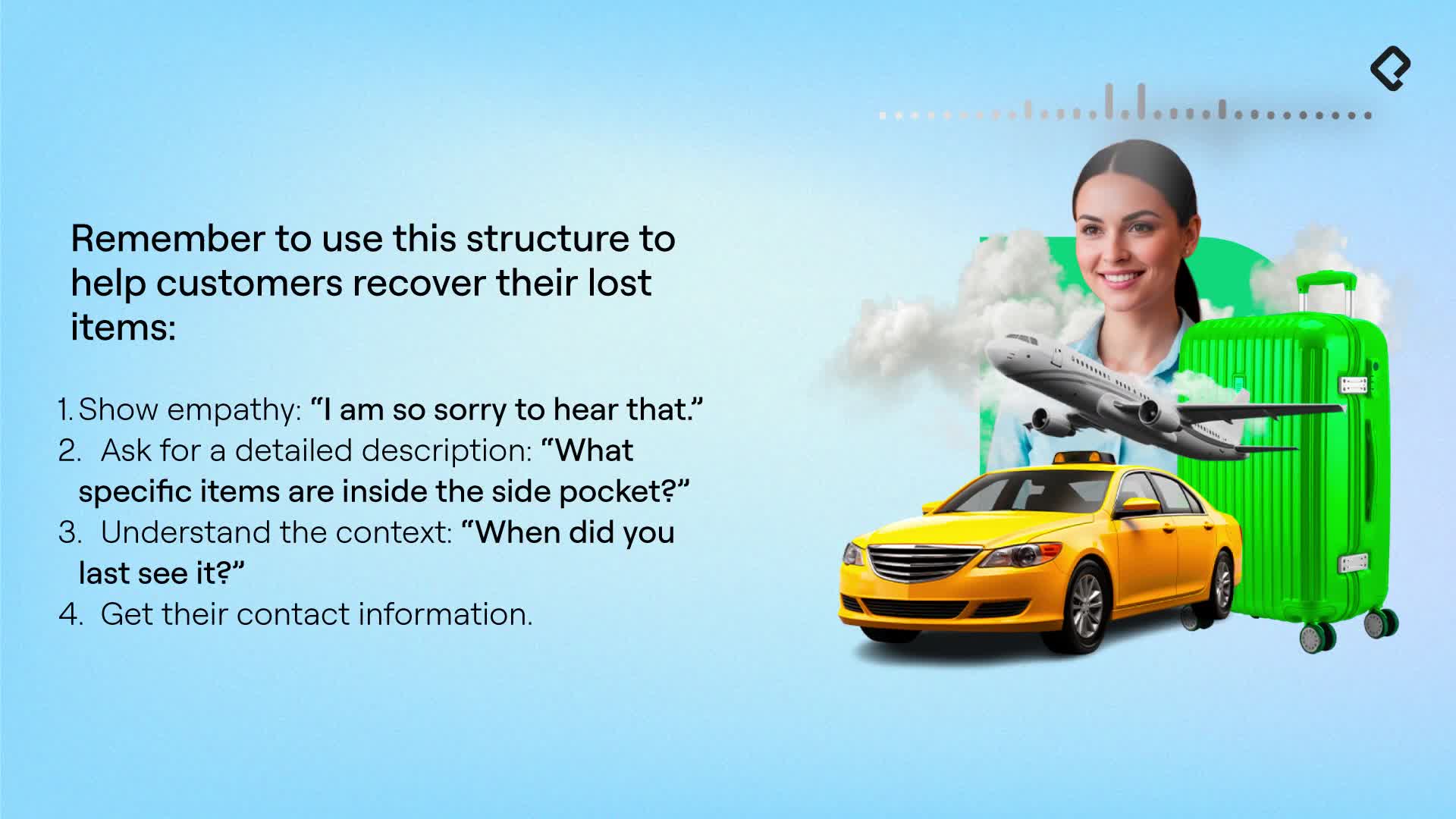
Start with empathy. Say, “I am so sorry to hear that.” This calms the guest and helps them focus. Then shift into a clear process so the situation feels controlled, not chaotic.
- Empathy first: acknowledge panic, frustration, or fear with a sincere apology.
- Detective mindset: vague descriptions are useless. Ask targeted questions.
- Structured flow: gather details before checking storage or records.
What vocabulary should you use with guests?
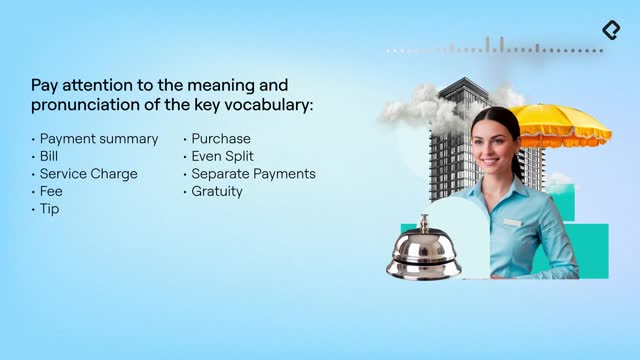
- Distressed: feeling upset or worried. Guests may be distressed after losing items.
- Empathy: showing you understand their feelings. “I am so sorry to hear that.”
- Service recovery: actions to fix a problem and restore satisfaction.
- Lost and found: the process and storage for lost items.
- Central storage/housekeeping records: places you check for turned-in items.
- Timeline: a clear time you will update the guest. “I will update you by 5:00 PM.”
- Verify ownership: confirm the item belongs to the person before returning it.
- Release form: the signature that confirms the return and closes the case.
How to capture a precise lost item report that works?
Use a lost item report form as your primary tool. Guide the guest to give details that distinguish their item from similar ones.
- Five categories: color, material, brand, size, distinguishing marks.
- Model answer example: not “silver watch,” but “Silver Timex wristwatch with a brown leather band and a small scratch on the glass face.”
- Ask specific proof questions:
- For a bag: “What specific items are inside the side pocket?”
- For a tablet: “Is there a specific image on the lock screen?”
Capture the context. Ask, “When did you last see it?” and “Where have you been since then?” Always get contact information. Explain the process and set a timeline: “I will check our central storage and housekeeping records. I will update you by 5:00 PM.” A clear deadline manages anxiety.
What details act like a fingerprint for the item?
- Distinguishing marks: engravings, stickers, scratches.
- Specific contents: items inside compartments or cases.
- Unique visuals: lock screen images or custom accessories.
How to verify ownership and document the return correctly?
Be careful when returning items. Protect both the customer and the business by confirming the right match.
- Do not show the item first: avoid leading questions like “Is this yours?”
- Ask for precise identifiers: “Can you describe the handle?” or “What brand is it?”
- Match answers to the item: return only when details align.
- Document the return: get a signature on the release form or the original report. This closes the case in your system.
- Build loyalty: a successful reunion often creates a loyal customer for life.
How to practice with the wallet scenario?
A customer says they lost a wallet in the lobby. You have a brown leather wallet. What is the best way to verify it belongs to them? Ask them to describe specific features or contents, then compare their answers to the wallet.
Have a great tip or a sample question that works well when verifying ownership? Share it in the comments and help others level up their lost and found skills.