Contenido del curso

Realiza una lluvia de ideas en Inglés


Networking efectivo en Inglés
- 6

Técnicas de Networking Efectivo en Inglés
06:07 min - 7
Conversaciones Efectivas en Redes Profesionales
08:10 min - 8

Estructuras Lingüísticas para Conversaciones Profesionales
05:52 min - 9

Práctica de Inglés con ChatGPT: Indicaciones y Conversaciones Simuladas
09:30 min - 10

Práctica de inglés conversacional en networking profesional
00:00 min
Presenta ideas y opiniones en inglés
- 11

Expresar Arrepentimiento en Inglés: Estructuras y Ejemplos Prácticos
07:29 min - 12

Explicación de Errores Pasados y Uso del Pasado Perfecto Continuo
05:38 min - 13

Estructuras de Énfasis en Comunicación Efectiva
Viendo ahora - 14
Recomendaciones y Plan de Acción Futuro
06:21 min - 15

Errores y Estrategias en Campañas de Redes Sociales
03:39 min - 16
Práctica de inglés conversacional en contexto profesional
00:00 min
Practica tu inglés

Estructuras de Énfasis en Comunicación Efectiva
Resumen
Communicating past setbacks and explaining decisions in a professional setting requires more than just vocabulary — it demands structures that add emphasis and clarity. Mastering these patterns helps you sound more articulate, persuasive, and confident when presenting ideas or analyzing results in English.
How does "as soon as" highlight immediacy in professional explanations?
The phrase as soon as connects two events to stress that one happened right after the other [0:18]. This is especially useful when you need to show that your team responded quickly to a problem.
- "As soon as we realized the issue with the app, we started gathering feedback from users to identify areas of improvement."
- "As soon as we were done gathering user feedback, we discovered the app was not user-friendly."
By linking two actions with as soon as, you emphasize the speed of your response, which is critical when explaining setbacks to stakeholders or managers.
How do relative clauses and reporting verbs strengthen your message?
What role do relative clauses play in adding detail?
A relative clause starting with that or which lets you combine two ideas into a single, more sophisticated sentence while avoiding repetition [1:12]. Instead of saying two separate statements, you merge them:
- "The marketing strategy that we developed is tailored to your target audience."
- "The challenges that we identified are common in the industry."
This technique adds important context without making your speech feel fragmented. It is a powerful tool for presentations, reports, and even casual professional conversations.
How can reporting verbs make you sound more sophisticated?
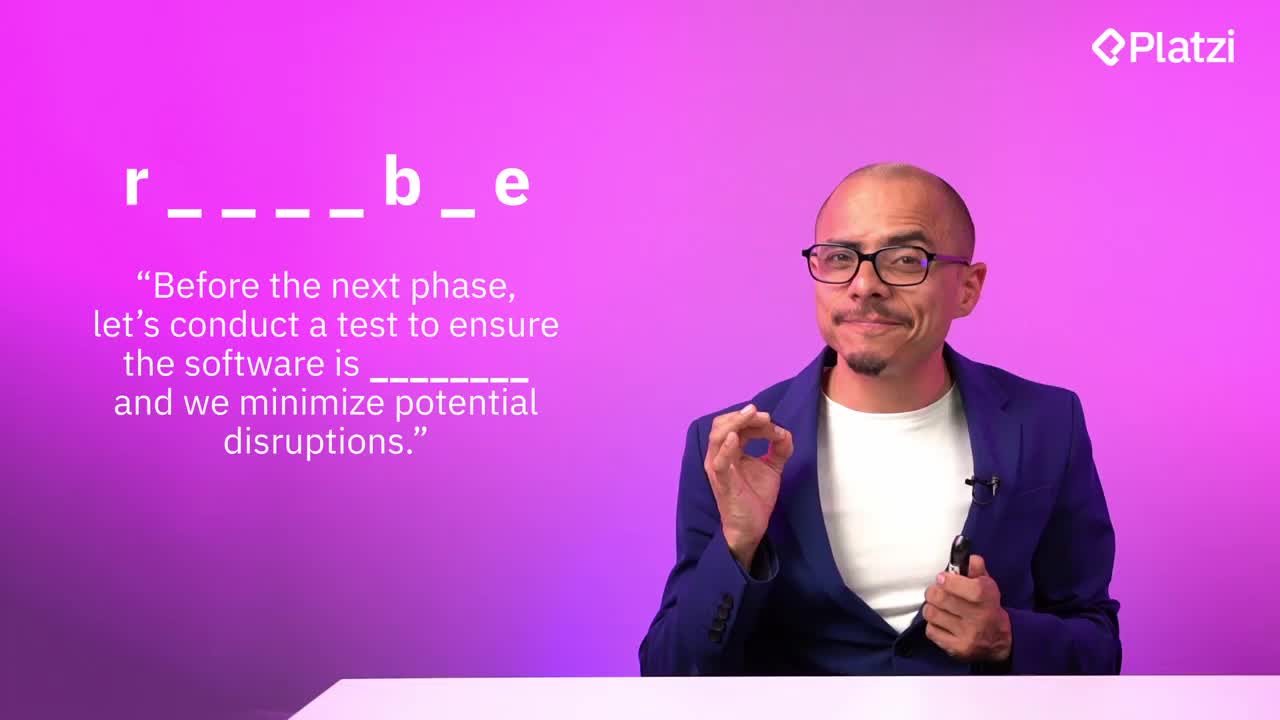
When you relay information from someone else, most speakers default to said or told. However, using the verb mentioned gives your speech a slightly more polished, professional tone [2:18].
- "She mentioned that her company is looking for people with experience in data analysis."
Compare the three options:
- She said that…
- She told me that…
- She mentioned that…
All three are correct, but mentioned conveys that the information came up naturally, which often sounds more nuanced in workplace conversations.
Why does "do" in affirmative statements create stronger emphasis?
In English, the auxiliary do typically appears in questions and negative sentences. However, when placed in an affirmative statement, it serves as an emphatic marker [3:05]. Compare these two sentences:
- "We need to consider diversifying our marketing channels."
- "We do need to consider diversifying our marketing channels."
The second version carries a stronger weight. It signals that the speaker truly believes in the importance of what follows. When speaking, the word do also receives a special stress in intonation — your voice rises slightly on it, drawing the listener's attention [3:30].
This structure is especially effective when:
- You want to counter a possible objection.
- You need to reinforce a recommendation.
- You are acknowledging one point while stressing another: "While social media is crucial, we do need to consider diversifying."
Practicing this pattern out loud helps you internalize both the grammar and the natural rhythm of emphasis. Try recording yourself saying statements with do and listen back to check your intonation.
Clear emphasis transforms ordinary communication into something more compelling. If you have been working on your professional English, try using these four structures — as soon as, relative clauses, reporting verbs, and emphatic do — in your next meeting or presentation, and share your experience in the comments.