
Inglés Intermedio para Conversaciones Profesionales
Contenido del curso

Realiza una lluvia de ideas en Inglés


Networking efectivo en Inglés
- 6

Técnicas de Networking Efectivo en Inglés
06:06 min - 7
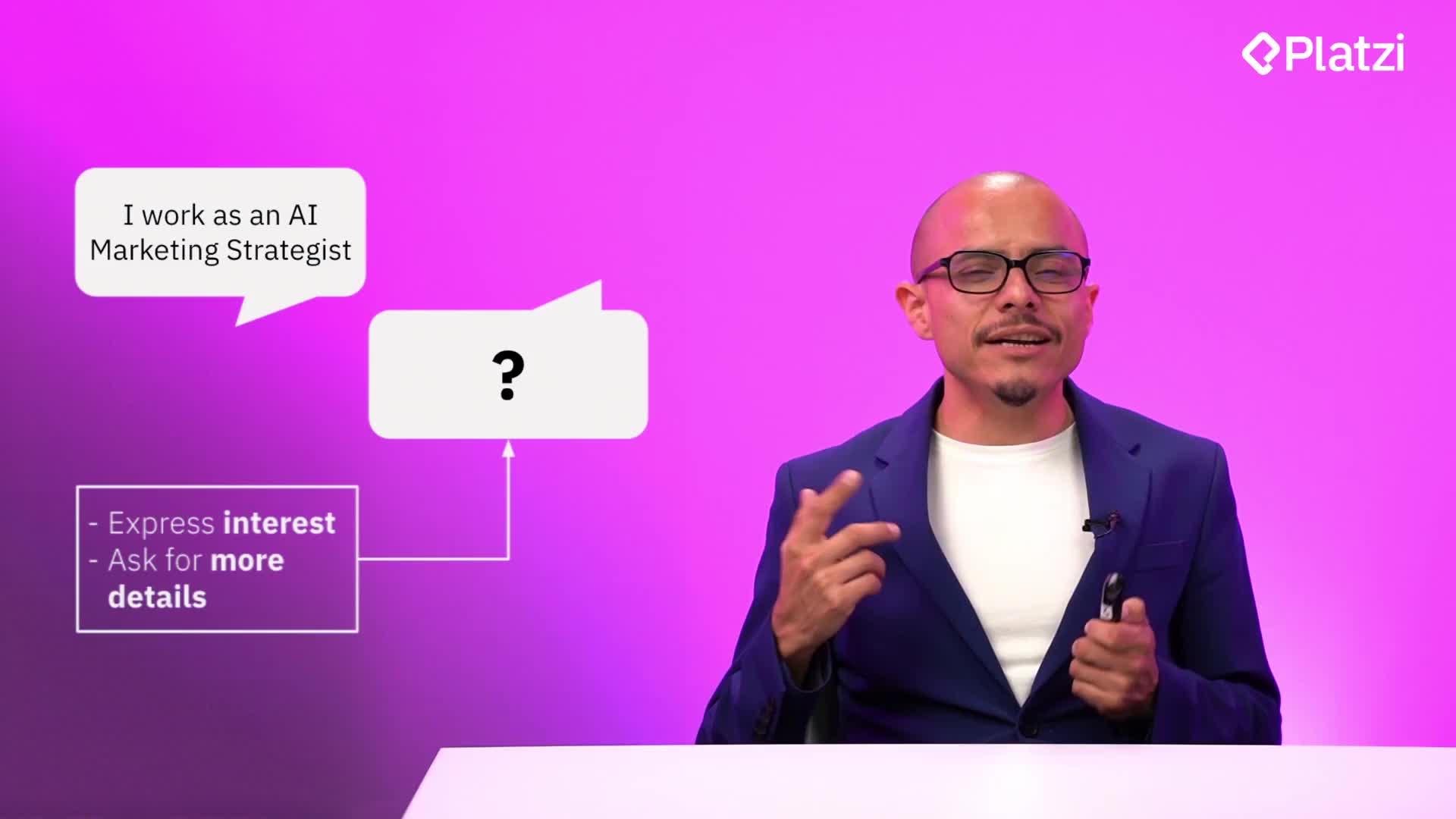
Conversaciones Efectivas en Redes Profesionales
08:10 min - 8

Estructuras Lingüísticas para Conversaciones Profesionales
05:52 min - 9

Práctica de Inglés con ChatGPT: Indicaciones y Conversaciones Simuladas
09:30 min - 10

Práctica de inglés conversacional en networking profesional
00:00 min
Presenta ideas y opiniones en inglés
- 11

Cómo expresar arrepentimiento en inglés
07:30 min - 12

Explicación de Errores Pasados y Uso del Pasado Perfecto Continuo
05:38 min - 13

4 formas de enfatizar en inglés profesional
04:45 min - 14
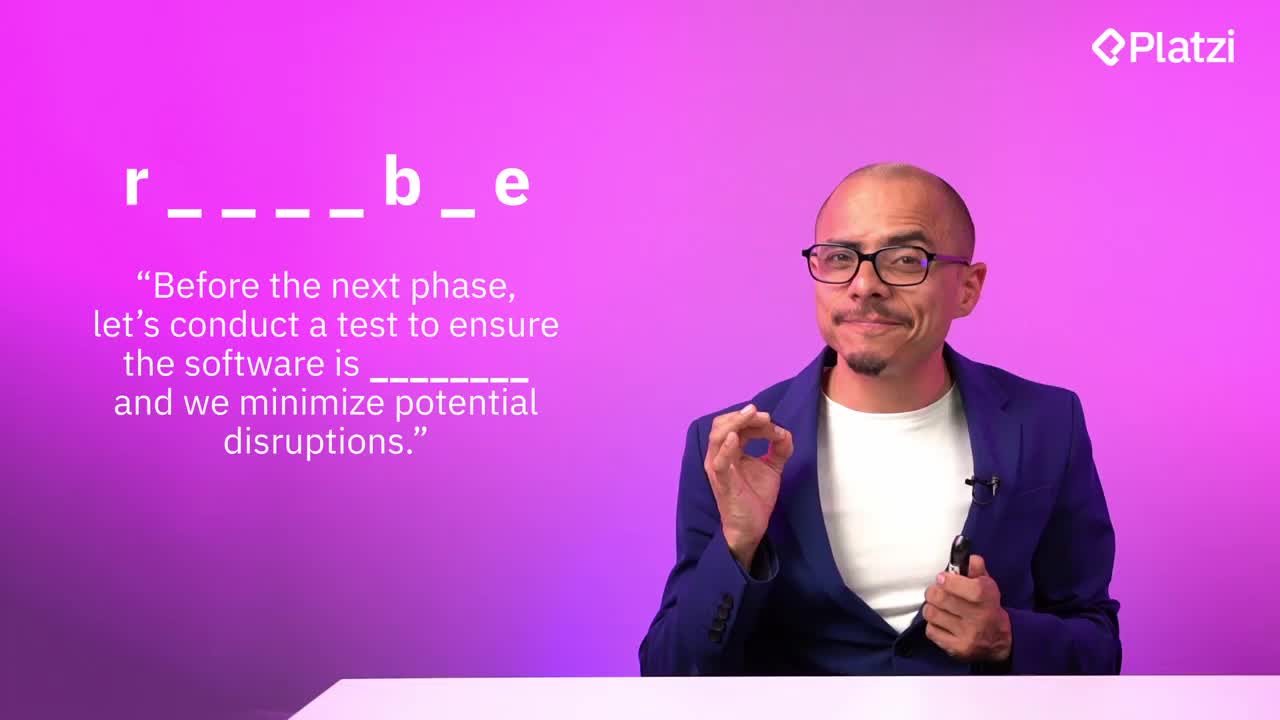
Recomendaciones y Plan de Acción Futuro
06:21 min - 15

Errores y Estrategias en Campañas de Redes Sociales
03:39 min - 16
Práctica de inglés conversacional en contexto profesional
00:00 min
Practica tu inglés

Recursos
Resumen
Communicating effectively in English within professional environments is one of the most valuable skills you can develop today. Whether you need to share an opinion during a meeting, pitch an idea to a client, or simply introduce yourself at a networking event, the way you express yourself in English can shape your career trajectory. This workshop, led by Julian Bernal, focuses on building the confidence and techniques needed to thrive in real work scenarios.
Why do professional English conversations matter?
The opening scene paints a familiar picture: Julian, a marketing professional, struggles to respond naturally when meeting Kara from Tech Solutions [0:15]. His internal monologue—"Don't mess this up"—reflects the anxiety many professionals feel when they need to communicate in English on the spot. A one-word answer like "definitely" can stall a conversation before it even begins.
This is precisely the gap the course addresses. Professional conversations go far beyond grammar and vocabulary; they require the ability to:
- Share opinions confidently in meetings and collaborative sessions.
- Collaborate with peers to develop business solutions.
- Build meaningful connections that can advance your career.
What skills will you develop in this workshop?
The course targets intermediate English speakers who already have a foundation but need to perform at a higher level in work settings [0:47]. Three core competency areas stand out.
How can brainstorming sessions become more effective?
Brainstorming in a second language adds a layer of complexity. You need to propose ideas quickly, react to others' suggestions, and negotiate priorities—all in real time. The workshop trains you to articulate thoughts clearly so your contributions carry weight in group discussions.
What makes networking less intimidating?
Networking skills are emphasized as a critical career tool [1:00]. Starting a conversation with a stranger at a conference, exchanging contact information, or following up after an event all require specific language patterns. The course helps you move past the fear of initiating dialogue and toward building connections that can spark new business projects.
How do you present an action plan persuasively?
From structuring your message to choosing the right tone, presentation skills in English demand a blend of persuasion, politeness, and clarity [0:55]. Whether you are addressing clients or internal stakeholders, mastering this balance ensures your ideas land with impact.
Who is leading the course and what can you expect?
Julian Bernal brings over two decades of experience in instructional design, education, management, and business [1:15]. His approach combines coaching, interactive workshops, and real-world insight to create a practical learning environment. The goal is not just to improve your English but to empower you to succeed in today's global marketplace.
If you have ever frozen during a professional introduction or wished you could contribute more during a team meeting, this is your chance to change that pattern. Share in the comments: what is the most challenging professional situation you face when communicating in English?