Navigating TOEFL iBT format updates
Clase 2 de 16 • Curso de Preparación para el Examen TOEFL
Contenido del curso

Reading
Listening

Writing
Speaking
Resumen
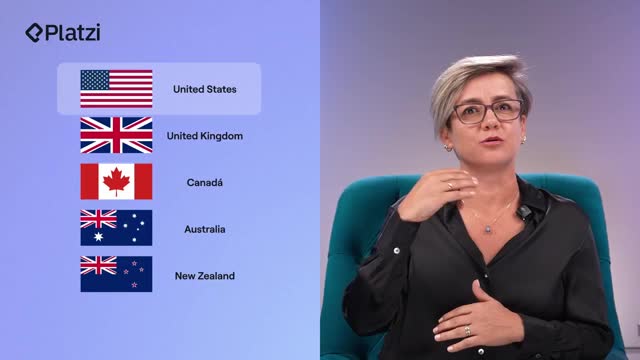
Earn confidence with a clear path to a higher TOEFL iBT score. The test is globally accepted by more than 13,000 universities and organizations in over 160 countries, and it is recognized across the United States, the United Kingdom, Canada, Australia, and New Zealand. With recent format updates and focused support, you can respond exactly as the exam expects and move faster toward education, immigration, and career goals.
Why is the TOEFL iBT a trusted choice worldwide?
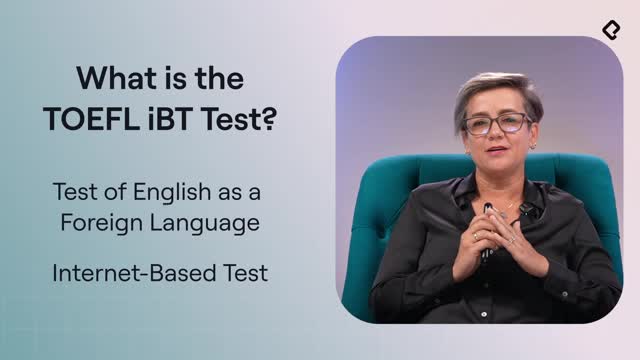
The TOEFL iBT is presented as a leading English proficiency test that institutions and organizations rely on. The emphasis is on wide recognition and practical outcomes for study, work, and life in English-speaking environments.
Where is the TOEFL iBT recognized and why does it matter?
- Accepted by more than 13,000 universities and organizations.
- Recognized in over 160 countries.
- Valid across all academic institutions in the US, UK, Canada, Australia, and New Zealand.
- Confidence that your score will be accepted.
What opportunities can a TOEFL score open?
- Entry to higher education programs.
- Access to scholarships.
- Expanded career opportunities in a globalized world.
Who may require a TOEFL score?
- Some immigration departments in English-speaking countries.
- Certain professional licensing or certification bodies for non-native speakers.
What changes are coming to the TOEFL iBT format?
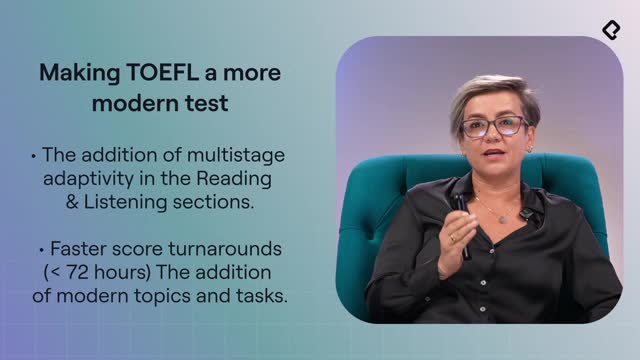
The test has been streamlined to help you test faster, finish sooner, and know your score sooner. Scoring and tasks now reflect real-life communication with updated passages, diverse accents, and practical writing prompts.
How is scoring and timing different?
- One to six band scoring system for each section: reading, listening, writing, speaking.
- Faster experience with earlier score visibility.
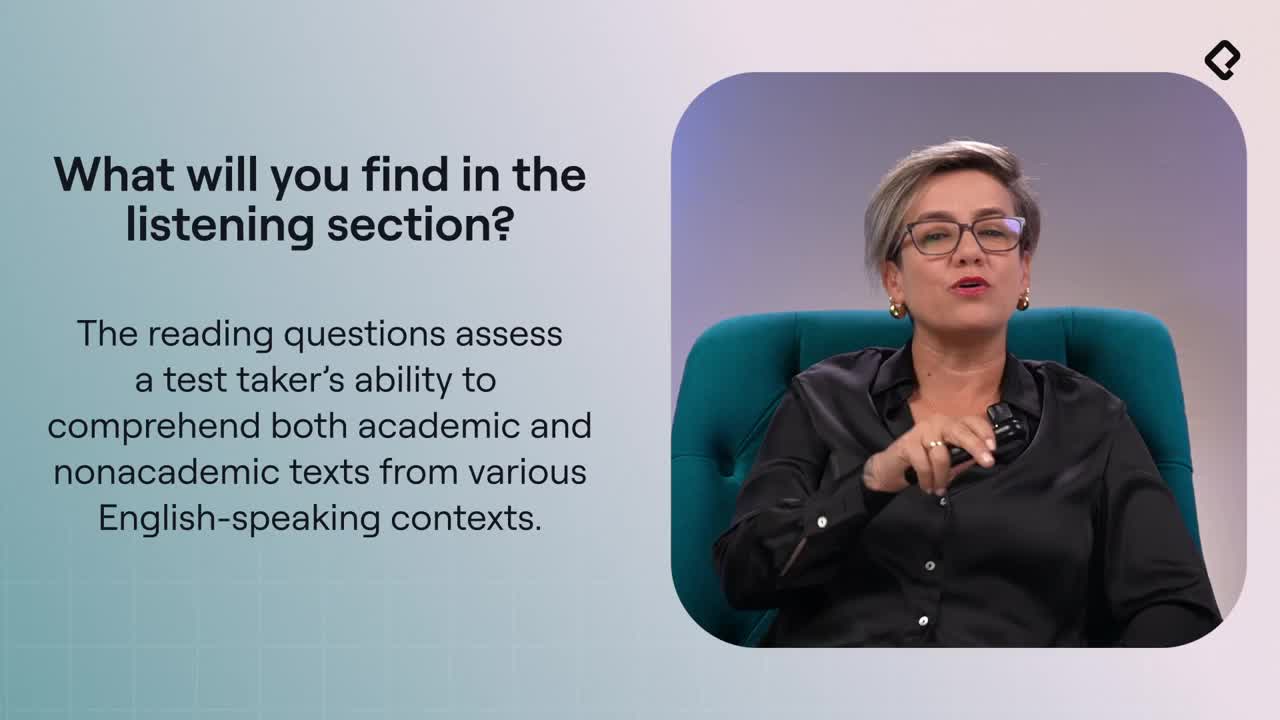
- Adapted reading and listening for efficiency and clarity.
How are reading and listening updated?
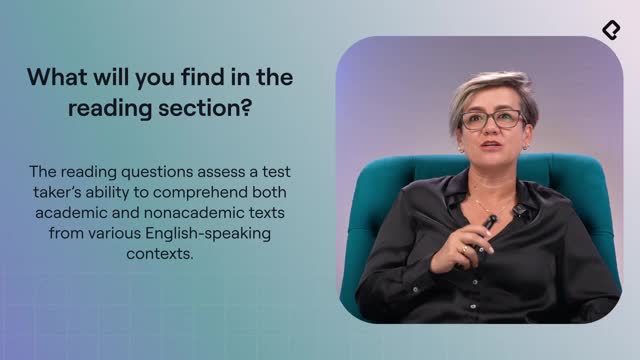
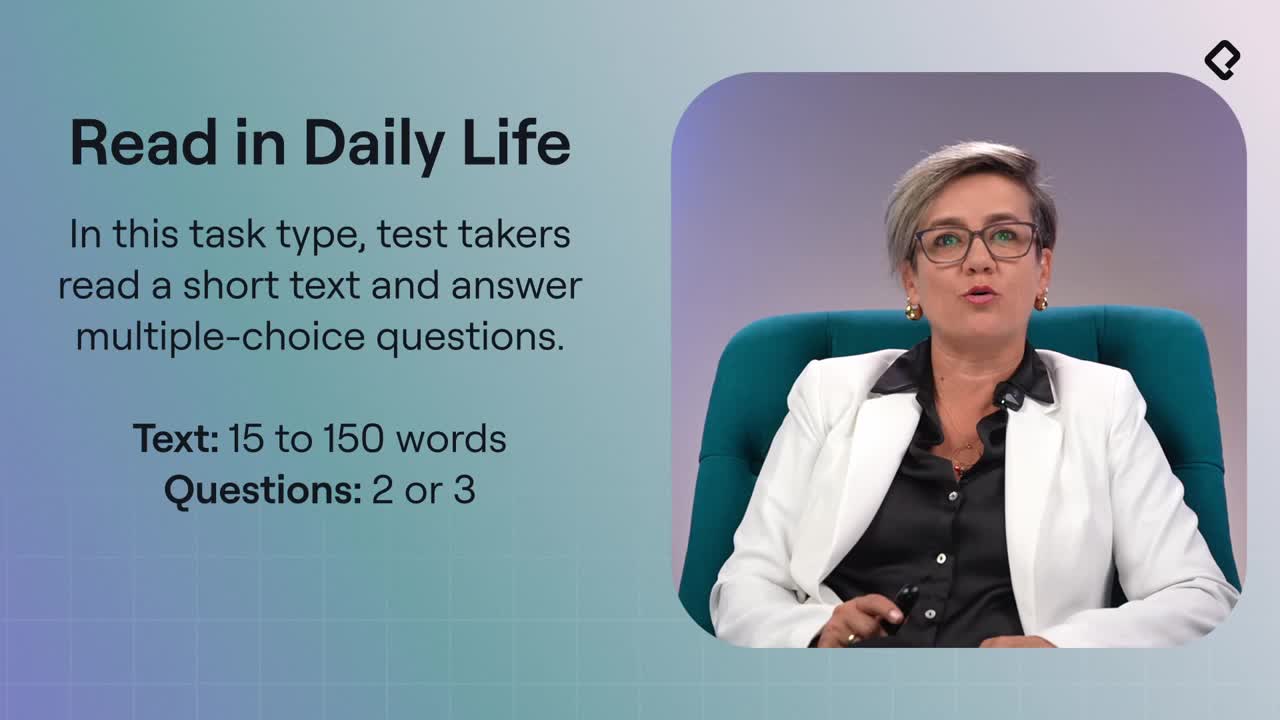
- Reading passages are shorter and more modern to reflect everyday life.
- Listening is enhanced with accents from four different places.
- Scores use a hybrid system that combines AI and human scorers.
What are the new writing and speaking tasks?
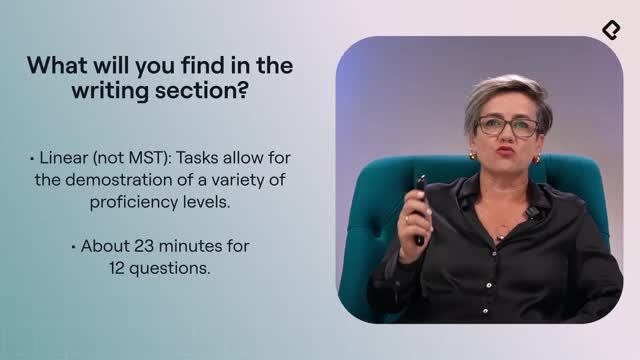
- Writing adds three new tasks.
- Form a grammatically correct sentence or question.
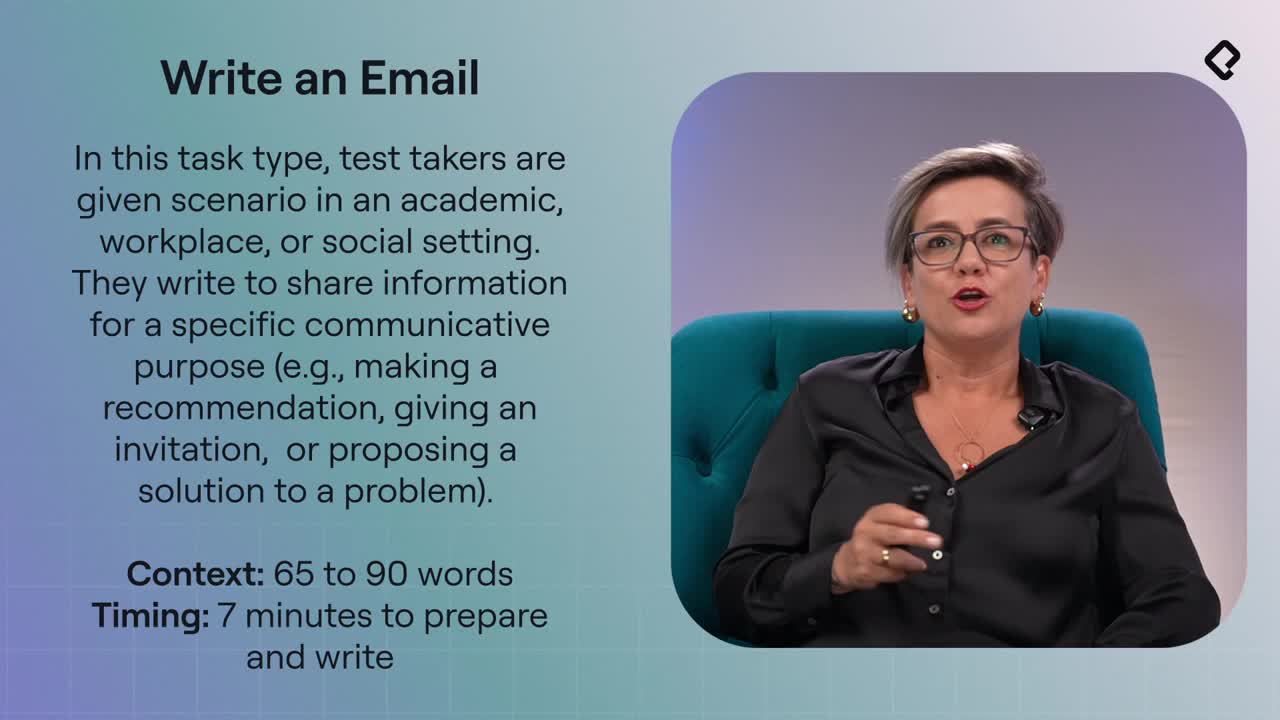
- Write an email based on a real-world scenario.
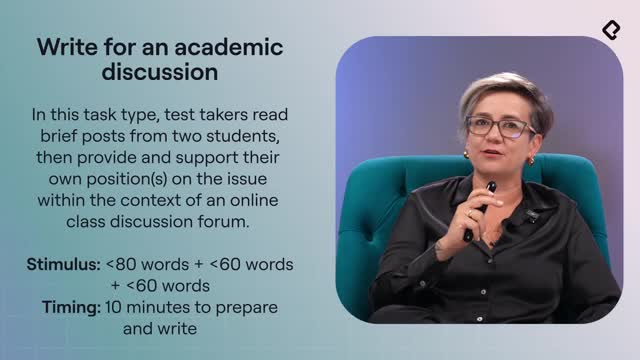
- Write a paragraph stating your opinion about an academic topic.
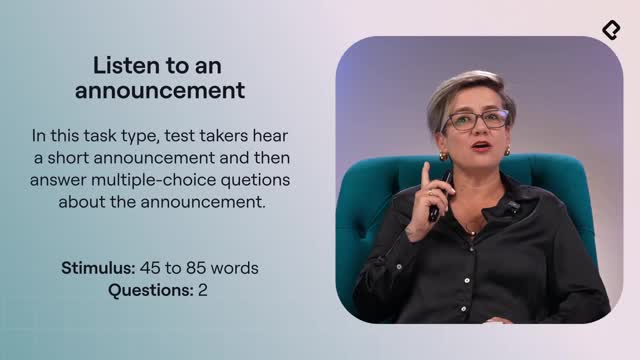
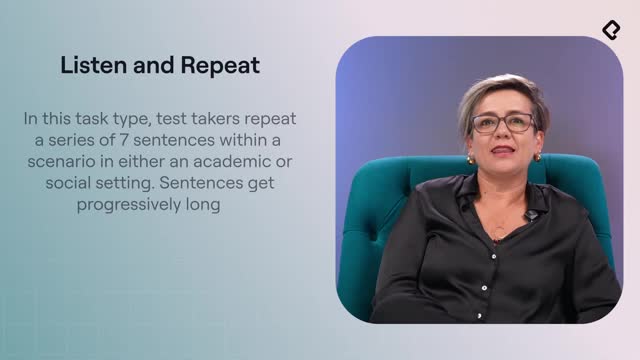
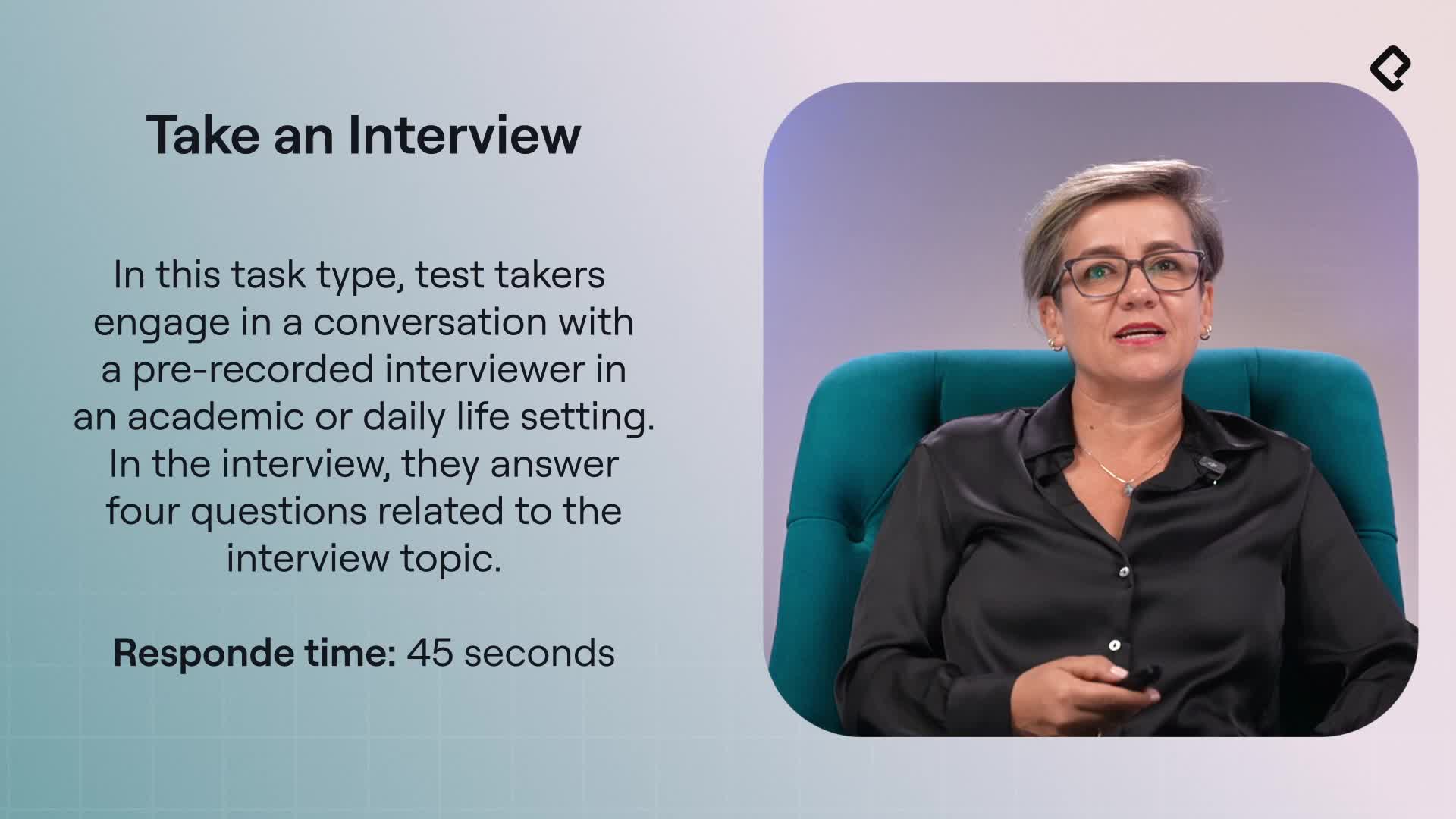
- Speaking requires you to listen and repeat sentences from visual stimuli and answer four questions in a simulated interview.
How will this course boost your TOEFL iBT preparation?
You will build structure, strategy, and confidence. With real examples, scoring guides, concrete tips, and plenty of practice, every question format will feel familiar and manageable.
What strategies and materials will you get?
- Real examples to model strong responses.
- Scoring guides to understand expectations.
- Concrete tips to improve clarity and accuracy.
- Plenty of practice to make formats feel familiar.
Who is your instructor and what support will you get?
- Instructor: Zorani Marin.
- Over 25 years of English teaching experience.
- 11 years focused on TOEFL iBT training.
- Has guided thousands of students to reach their score goals.
Which key vocabulary should you know?
- Accepted: recognized and approved by institutions. Example: “you can be confident your score will be accepted.”
- Proficiency: skill level in English. Example: “the leading English proficiency test globally accepted.”
- Recognized: officially acknowledged by institutions. Example: “recognized by all academic institutions throughout the United States...”
- Immigration departments: government offices that may require proof of language ability. Example: “required by some immigration departments... to prove you have the language skills.”
- Licensing and certification bodies: professional authorities that validate qualifications. Example: “some professional licensing or certification bodies require a TOEFL score.”
- Hybrid system: combination of AI and human scorers. Example: “a hybrid system that combines AI and human scorers.”
- Real-world scenario: practical, everyday context. Example: “write an email based on a real-world scenario.”
- Simulated interview: practice interview that imitates a real one. Example: “answer four questions in a simulated interview.”
- Scoring guides: criteria used to evaluate responses. Example: “you’ll get... scoring guides.”
- Manageable: possible to handle with clarity and control. Example: “every question format will feel familiar and totally manageable.”
Have a specific question about your target score or section strategy? Share it and get feedback to refine your approach.