Build confidence with short English listening tasks by focusing on context, speaker intent, and likely next actions. Here you’ll find a clear breakdown of a sample dialogue, the question types it targets, and practical tips to raise your score with consistent practice.
What is this listening task about?
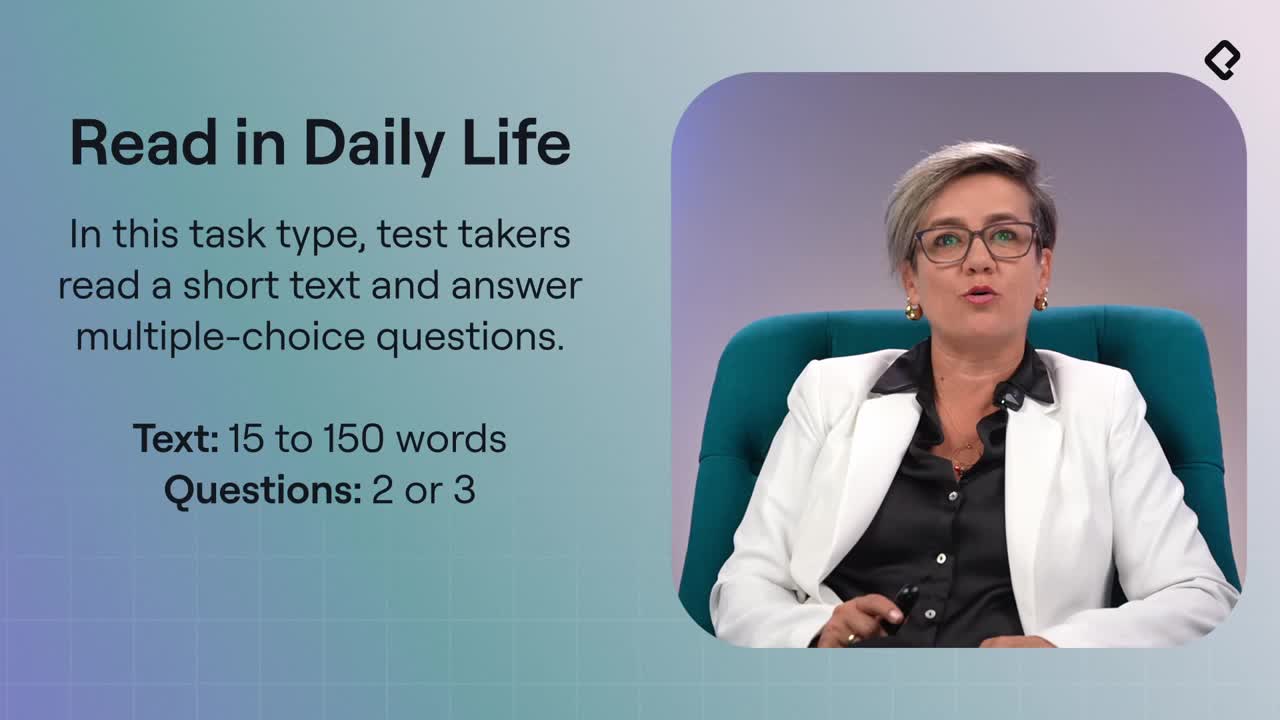
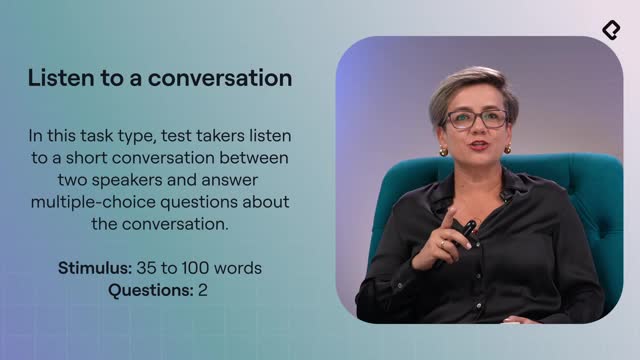
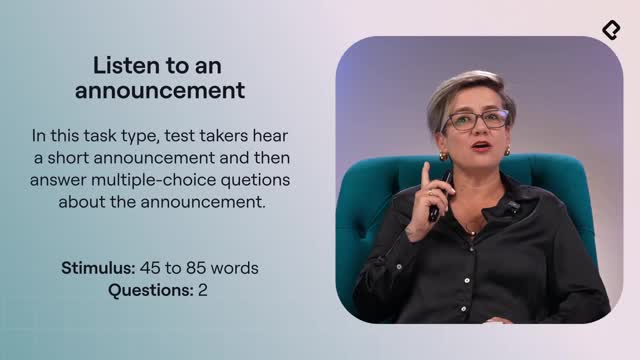
These are brief dialogues on everyday topics—hobbies, shopping, home life, travel, and general business. You listen once and answer two written questions. Typical focuses include understanding context, the relationship between speakers, and the purpose behind certain phrases.
What happens in the sample conversation?
- A man asks: “Need anything from the supermarket?”
- The woman thinks they were about to see a play, but it’s actually tomorrow.
- The man reacts with “Oh, wow. I’d forget my head if it wasn’t screwed on.” showing surprise and forgetfulness.
- They discuss dinner: she wants something light and healthy.
- He agrees to go shopping and proposes salmon and salad. She says that’s enough.
Key vocabulary and phrases from the dialogue:
- supermarket: place to buy groceries.
- play: theater event the speakers planned to see.
- tomorrow: time correction that changes plans now.
- light and healthy: preference guiding the food choice.
- salmon, salad: specific items confirming the plan.
- anything else?: checking for additional needs.
Which question types appear and how do they check comprehension?
- Predictive questions like “What will the woman do next?” test if you can infer the next action based on context and decisions.
- Purpose questions like “Why did the man say, ‘Oh no, not again’?” (example type) test if you can identify intent, tone, or function of a remark.
How can you build the right listening skills?
Short conversations require quick orientation to setting, roles, and goals. Focus on who is speaking, what they need, and how they resolve it. The dialogue here moves from a shopping question to a schedule fix, then to dinner planning—each step signals changing intentions.
What strategies help during the single listen?
- identify the setting and relationship quickly.
- track corrections to plans: words like tomorrow change actions now.
- listen for decisions: verbs like go, buy, prepare indicate next steps.
- note purpose markers: surprise, apology, or confirmation.
- read the questions and options fast but carefully before listening.
- link each option to specific evidence from the dialogue.
Which keywords should you watch for?
- Planning and timing: tomorrow, in a few minutes.
- Actions and errands: go shopping, prepare dinner.
- Preferences and constraints: light and healthy.
- Confirmation checks: anything else?, that’s good.
- Purpose/tone cues: Oh, wow (surprise), self-deprecating humor indicating forgetfulness.
What are the answers and what do they imply?
Two answers are provided: question 1 = C, question 2 = B. These reflect correct interpretation of context and intent—recognizing the updated schedule, the agreed dinner plan, and who will do what next. They also show attention to how a speaker’s words signal purpose and next actions.
Keep practicing with short, varied dialogues, and apply these steps every time you listen. Have a question or a tip that works for you? Share it in the comments.