Get a clear, confident plan to approach the TOEFL Reading section. Learn how the multi-stage adaptive design shapes difficulty, what passage types to expect, and how Complete the Words measures both meaning and form—so you can focus your practice where it counts.
How does the multi-stage adaptive reading section work?
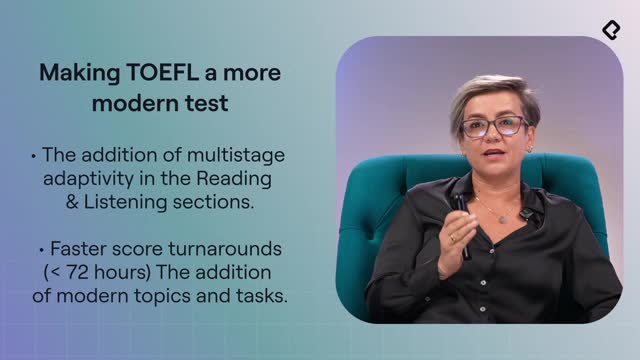
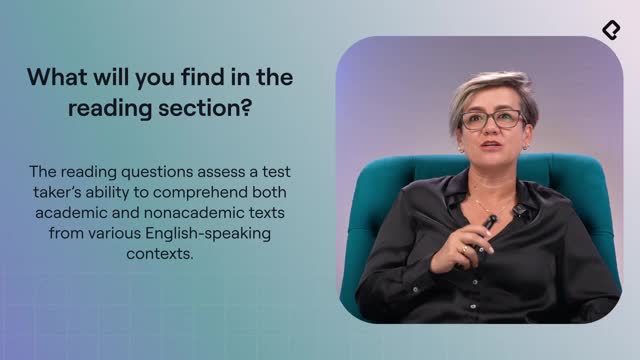
The reading section is multi-stage adaptive: performance on the first part determines the content of the second part to match difficulty with the test taker’s performance. You’ll read traditional passages with the complex language typical of textbooks, plus passages from newspapers, magazines, and websites. This mix supports a more holistic evaluation of academic reading proficiency.
What are the passage lengths and question counts?
Below are the exact ranges mentioned, so you can set realistic practice targets.
- Complete the Words: passages of 70–100 words. Ten words to complete in each passage.
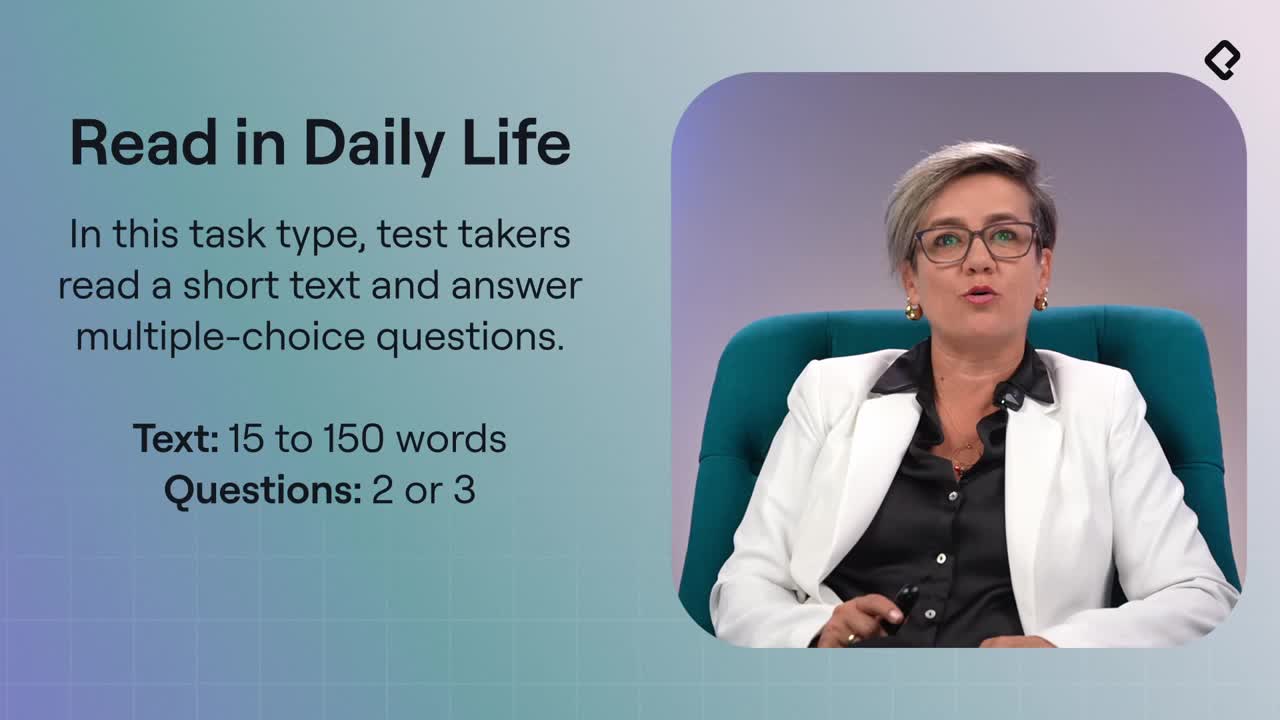
- Reading in Daily Life: passages of 15–150 words. Two or three questions per passage. Shorter passages have two; longer, more complex ones have three.
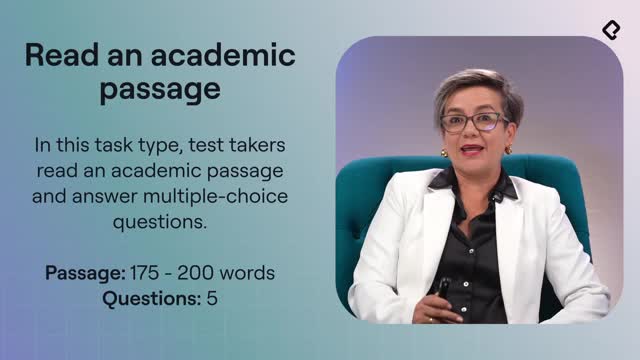
- Read an Academic Passage: passages up to 200 words. Five questions per passage. Similar to the legacy TOEFL iBT.
How does “Complete the Words” evaluate meaning and form?
This is the first reading task. It assesses your ability to process written passages for meaning and form at the same time, using context to complete missing letters accurately.
What is the task format?
- The paragraph starts with a complete first sentence.
- In the following sentences, approximately the second half of every second word is deleted.
- You must supply the missing letters.
- Each text contains 10 words with missing letters.
- Topics are common and non-specialized, avoiding technical vocabulary, jargon, or excessive proper nouns.
What skills does it assess?
- Grammar and structure: auxiliary verbs, word formation, articles, and fixed phrases.
- Common expressions: basic survival expressions that appear in everyday contexts.
- Discourse markers: for example, “however,” which signals contrast.
- Independent prepositions: for example, “clear from,” used as a fixed pairing.
- Reading comprehension: understanding references to earlier ideas. For instance, if “dancing” appears later, it connects to a first sentence noting that early humans performed dances.
What study tips improve your score?
- Tip 1: use the complete first sentence to grasp the overall topic and set the main content.
- Tip 2: when filling missing letters, consider both semantic meaning and grammatical requirements; let surrounding context guide you.
- Tip 3: if a word is unclear, don’t get stuck. Read on to build the big picture, then return—context often clarifies the missing word.
Have a question about these tasks or want to practice sample fills? Share your doubts and examples in the comments.