Get clear on the TOEFL iBT: what it means, who runs it, where it’s accepted, and how it’s structured. These core facts will help you plan preparation with confidence and focus on what matters.
What is TOEFL iBT and who runs it?
TOEFL iBT stands for Test of English as a Foreign Language and internet-based test. It is developed and administered by Educational Testing Service (ETS), a global leader in assessment.
Why does ETS matter for reliability and fairness?
ETS emphasizes scale, security, and quality so scores are trusted.
- Scale and reach: administering over 50 million assessments annually through more than 9,000 secure testing locations across 200 countries.
- Quality teams: world-class psychometricians and test development experts ensure fair, accurate, and impactful evaluations.
- Robust delivery: a strong infrastructure supports reliable testing at scale.
Keywords in context:
- "administering over 50 million assessments annually."
- "more than 9,000 secure testing locations across 200 countries."
- "world-class psychometricians and test development experts."
Where is TOEFL iBT accepted and why is it valuable?
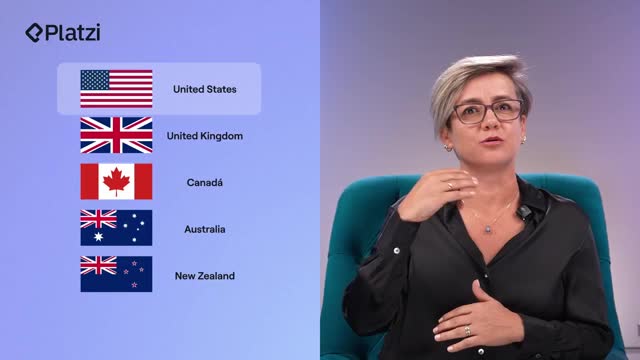
Recognized as the gold standard for academic English, TOEFL iBT scores are accepted at over 13,000 institutions in 160 countries, including every university and top universities like the US and Canada. Its credibility goes beyond campus use.
- Immigration authorities widely trust it for visa applications.
- Multinational corporations use it to certify employee proficiency.
- A globally recognized credential for study, work, and migration.
What access options and related tests exist?
Access is flexible so more students can test.
- Test center and at-home testing options provide broad access.
- The TOEFL family of assessments meets diverse needs: TOEFL iBT (test center and home edition), TOEFL Primary, TOEFL Junior, TOEFL ITP, TOEFL Essentials.
- Focus here: TOEFL iBT, built for proficiency and quality with convenient delivery.
Keywords in context:
- "test center and at-home testing ensures that students from all backgrounds can access high-quality English proficiency assessments."
- "an essential globally recognized credential for study, work, and migration."
How is the TOEFL iBT structured and how long is it?
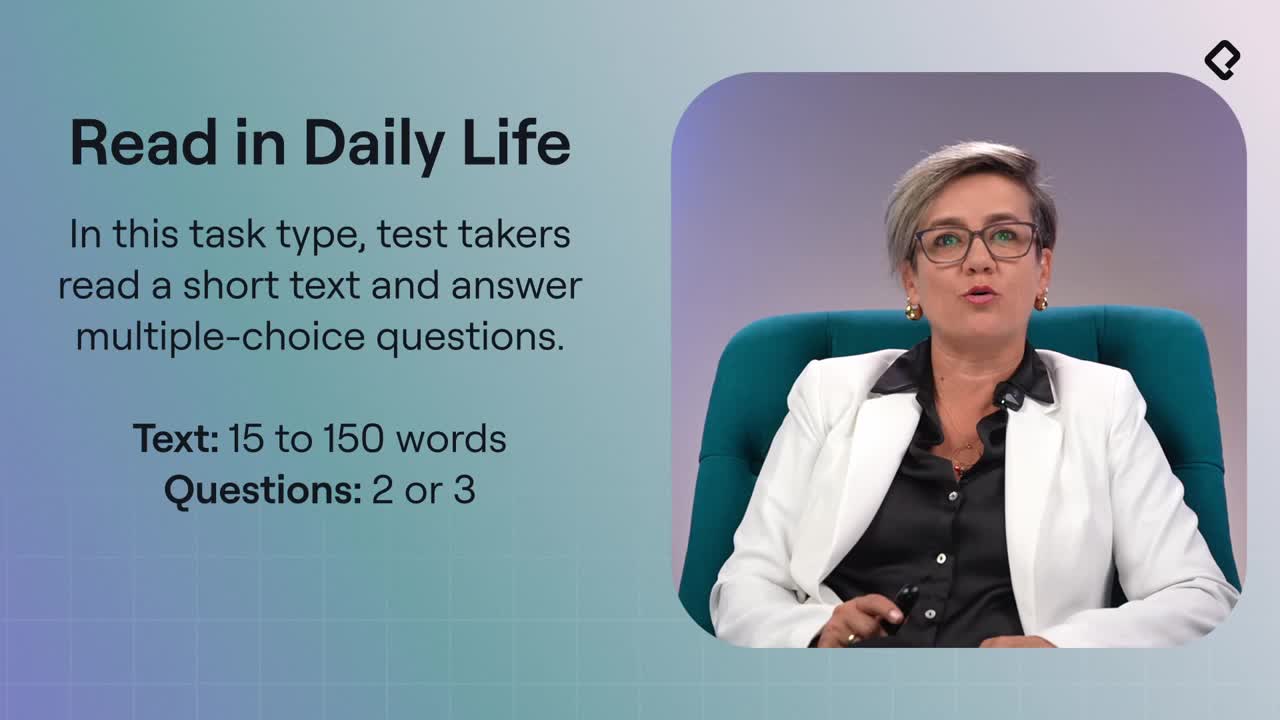
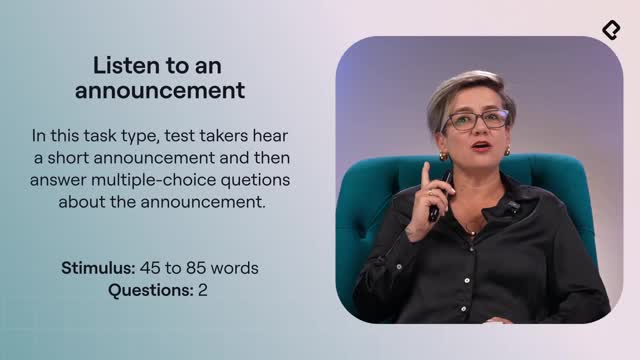
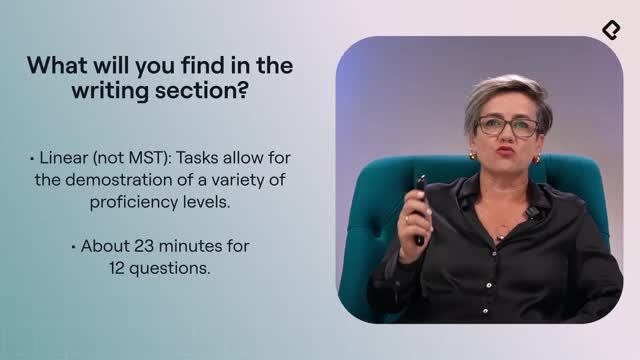
Understanding the structure is the first strategic step. The exam is completed in under two hours and follows a fixed sequence measuring four core academic skills.
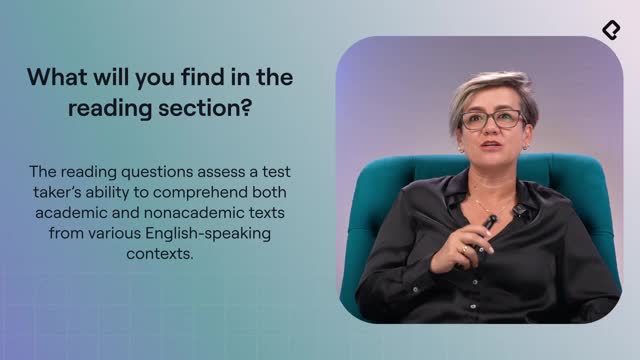
- Reading: academic comprehension.
- Listening: understanding lectures and talks.
- Speaking: clear, organized responses.
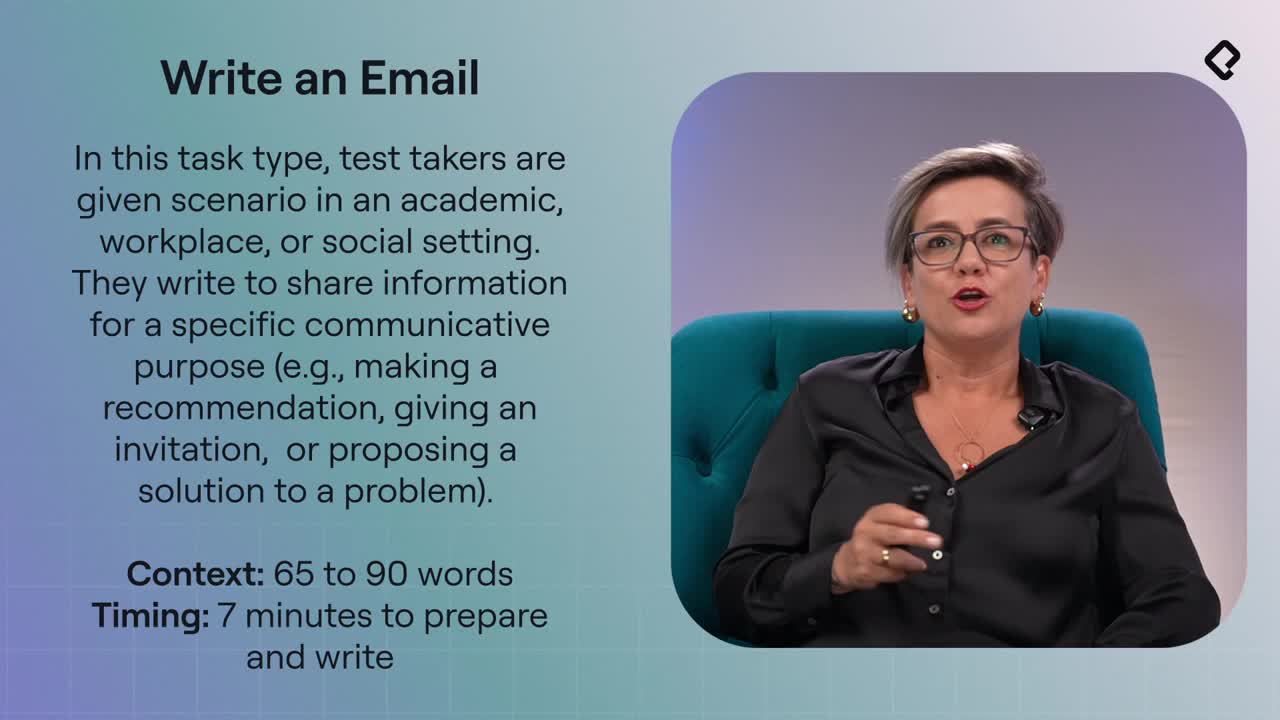
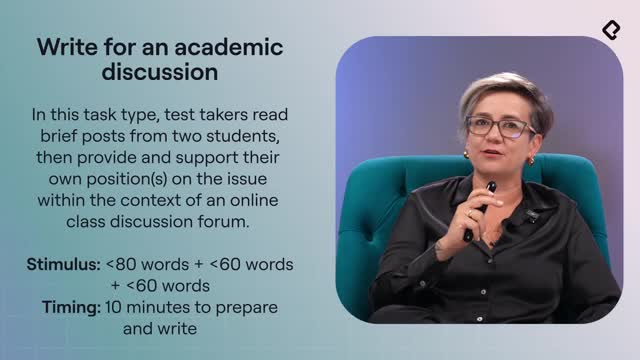
- Writing: coherent, academic writing.
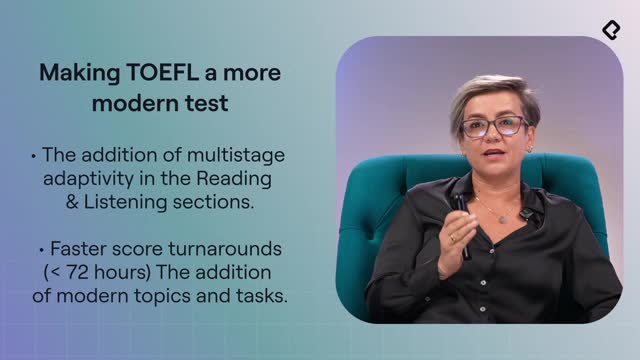
By mastering this short format, you can confidently and strategically focus your preparation for success. Updates on what has changed in TOEFL iBT are coming next.
Which keywords and vocabulary should you learn?
Use these terms from the content to boost ESL/EFL understanding.
- proficiency: level of skill in English; used to certify ability for study and work.
- assessment: formal evaluation; ETS administers assessments globally.
- administer: manage and deliver tests at scale.
- infrastructure: systems and locations that enable secure testing.
- psychometricians: experts who ensure tests are fair and accurate.
- globally recognized credential: a qualification trusted worldwide.
- test center / at-home testing: two delivery options for access.
- fixed sequence: set order of sections with consistent measurement.
- four core academic skills: reading, listening, speaking, writing.
- visa applications / multinational corporations: contexts where scores are trusted.
Have questions about TOEFL iBT acceptance, structure, or vocabulary? Share them and keep the conversation going.