Importancia del Contexto Sociocultural en el Marketing
Clase 17 de 26 • Curso de Psicología del Consumidor
Contenido del curso


Procesos de Pensamiento
- 3

Psicología del consumidor: heurísticos y procesos psicológicos básicos
06:56 min - 4

Procesos Psicológicos en el Marketing y el Branding
04:37 min - 5

Cómo influye el cerebro en decisiones de compra
02:44 min - 6

Psicología del Consumidor y su Impacto en el Branding
06:18 min - 7

Estrategias de Marketing en el Momento Cero de la Verdad (ZMOT)
03:54 min
Conoce tu consumidor
- 8

Técnicas Cualitativas de Investigación de Mercado
05:30 min - 9

Técnicas de Investigación de Mercado: Métodos y Aplicaciones
05:46 min - 10

Técnicas de Investigación Cuantitativa: Encuestas y Cuestionarios
06:31 min - 11

Entrevista en Profundidad: Técnica Clave de Marketing
08:06 min - 12

Técnicas de Entrevistas a Profundidad para Psicología del Consumidor
08:47 min - 13

Grupos Focales: Técnicas y Estrategias de Investigación
04:51 min - 14

Estudio de Casos y Observación Participante en Investigación Social
06:10 min - 15

¿Qué es neuromarketing?
00:01 min - 16

Neuromarketing: Comprender y Usar el Valor Simbólico en Ventas
10:50 min - 17

Importancia del Contexto Sociocultural en el Marketing
Viendo ahora - 18

Gestión de Resultados Cualitativos en Investigación de Mercado
05:40 min
Encuentra lo que estás buscando


Conozcamos el consumidor Latinoamericano


Tendencias para el futuro


Mentoría Expert
Resumen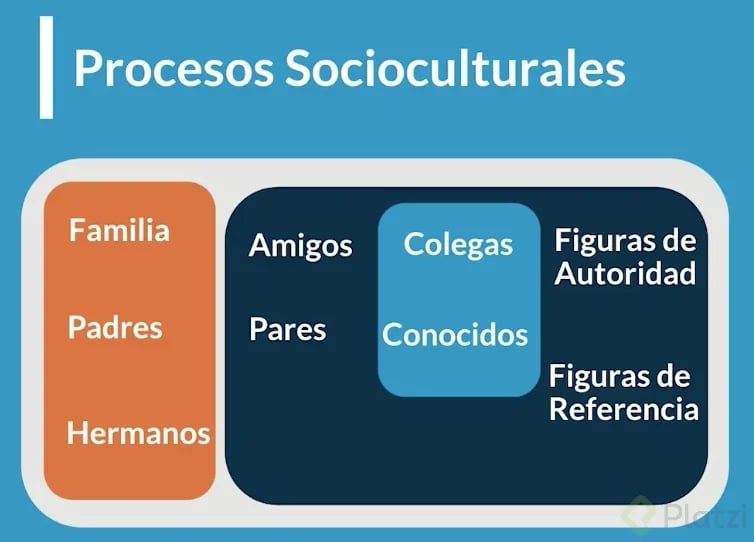 Describe al espacio físico o simbólico que sirve de marco para mencionar o entender algo.
Este concepto (sociedad) engloba al grupo de individuos que comparten una cultura y que interactúan entre sí para conformar una comunidad
El contexto socio cultural abarca todos los factores culturales, económicos, históricos, etc. que forman parte de la identidad y de la realidad de una persona.
Nuestros usuarios y consumidores están inmersos en un contexto social donde comparten ciertos rasgos. Es diferente hablarle a latinoamericano, que a un africano, que aun europeo, a un asiático, etc.
Cada una de las culturas tiene una identidad que está bien marcada.
Describe al espacio físico o simbólico que sirve de marco para mencionar o entender algo.
Este concepto (sociedad) engloba al grupo de individuos que comparten una cultura y que interactúan entre sí para conformar una comunidad
El contexto socio cultural abarca todos los factores culturales, económicos, históricos, etc. que forman parte de la identidad y de la realidad de una persona.
Nuestros usuarios y consumidores están inmersos en un contexto social donde comparten ciertos rasgos. Es diferente hablarle a latinoamericano, que a un africano, que aun europeo, a un asiático, etc.
Cada una de las culturas tiene una identidad que está bien marcada.
Nuestros datos son válidos, bajo ciertos contextos. Entender el contexto cultural nos ayuda a entenderlo mejor y poder tomar mejores decisiones.
Procesos Socioculturales
Contribución creada con los aportes de: Mayra López.