Making Polite Requests at Work: Recap
Clase 8 de 11 • Curso de Inglés Básico A2: Propuestas y Permisos
Contenido del curso



Making Polite Requests at Work
Asking and Giving Instructions


Resumen
Polite workplace English boosts clarity and trust. Here you will quickly master how to offer help and make requests using can, could, and would like, with natural examples that sound professional and friendly.
Why use can, could, and would like in professional English?
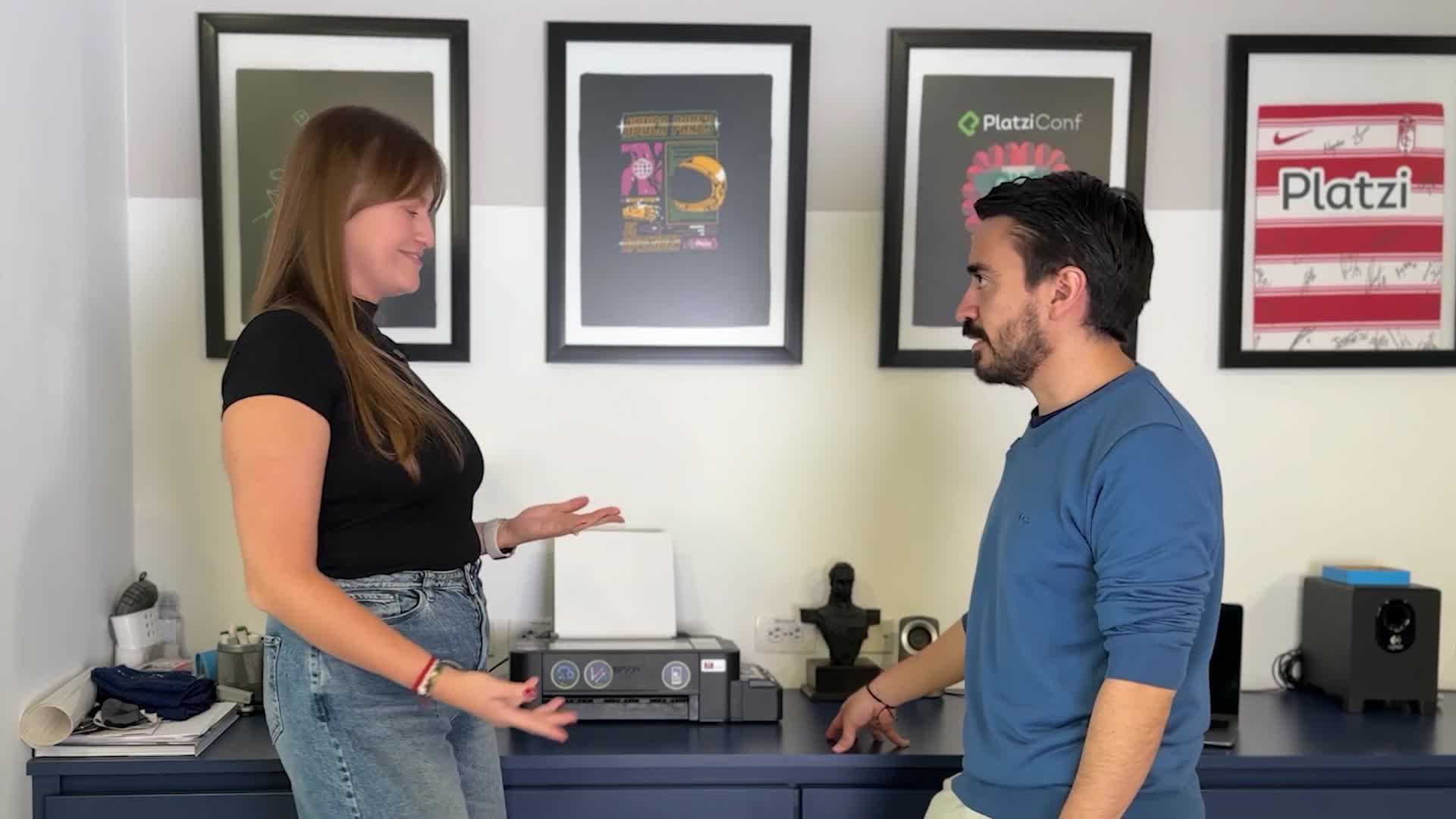
Being precise with tone helps relationships. The transcript contrasts direct and more diplomatic options while coworkers handle a printer issue and common office tasks.
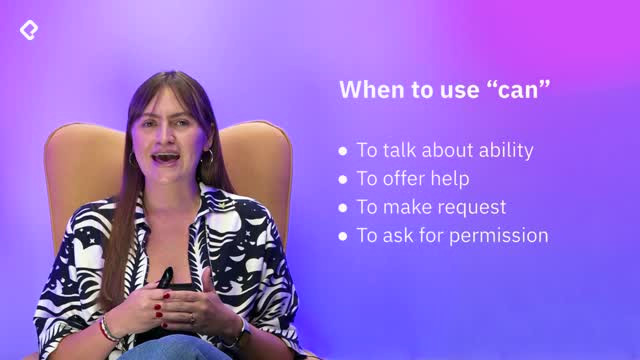
- Can is polite and direct.
- Could is more polite and professional.
- I would like to sounds more professional, more polite, and even diplomatic.
These choices shape how your message is received. The same task can feel urgent or considerate depending on the modal verb.
How to offer help politely?
The goal is to support others without sounding intrusive. The examples show parallel structures and rising formality.
- Can I help you present the budget?
- Could I help you present the budget?
- Would you like me to help you present the budget?
With another task, the pattern repeats.
- Can I help you with the preparation?
- Could I help you with the preparation?
- Would you like help with the preparation?
The transcript reminds us that with can and could we keep the same structure and only change the modal.
What changes with can vs could?
- Structure stays the same.
- Can feels more direct and friendly.
- Could sounds softer and more professional.
Use either depending on how formal you want to be with a colleague or manager.
What does would you like express?
- A higher level of politeness.
- A diplomatic, service-oriented tone.
- Options that center the other person’s preference.
Examples show both forms: Would you like me to help you… and Would you like help…. Both are natural and considerate.
How to make requests clearly and professionally?
Requests also vary in tone. The transcript contrasts questions with statements when stating needs.
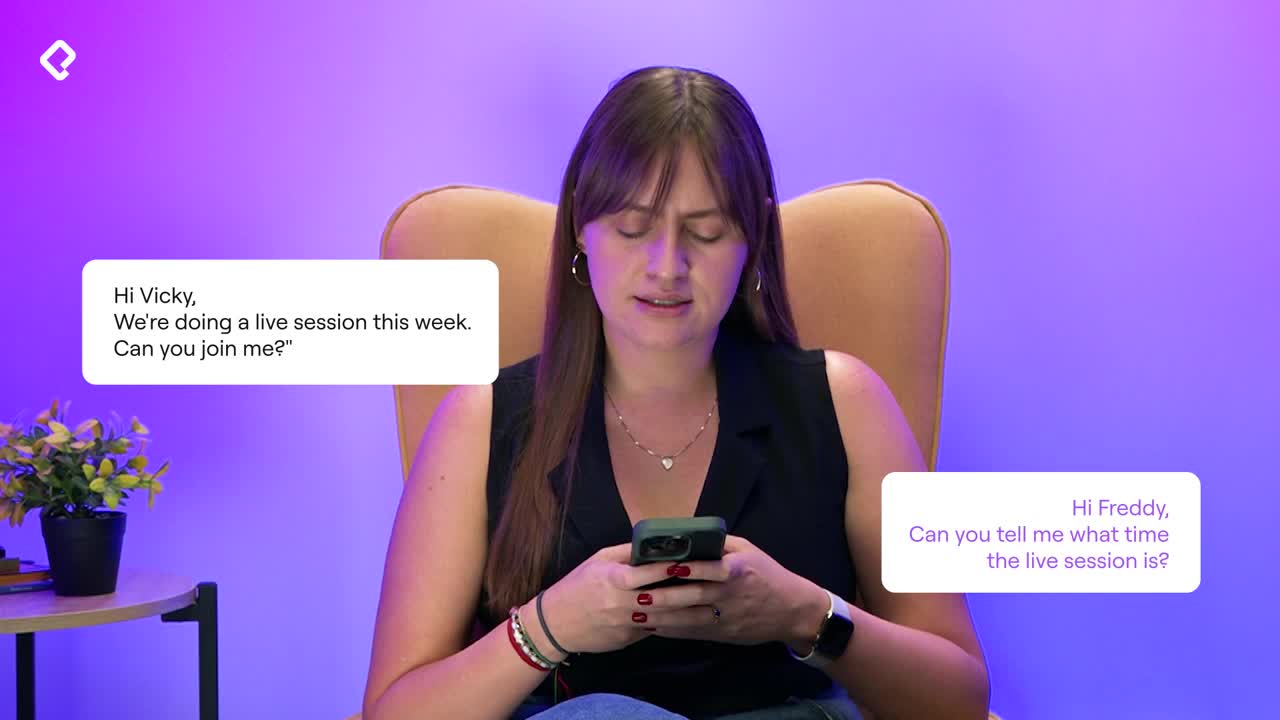
- Can you postpone the meeting?
- Could you postpone the meeting?
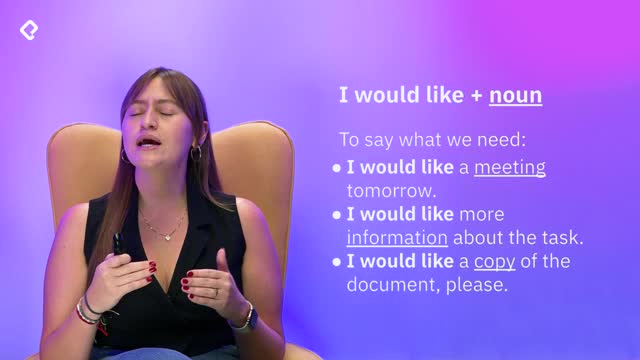
- I would like to postpone the meeting.
For time-sensitive asks, the pattern holds.
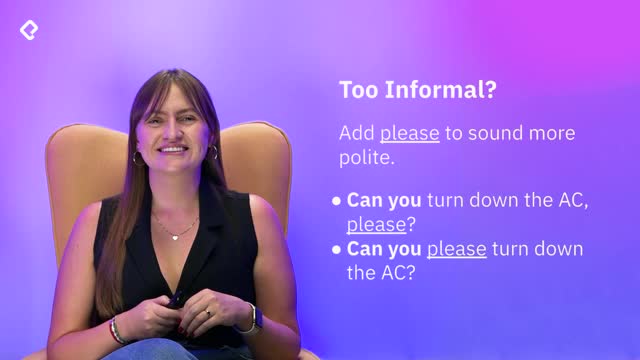
- Can you stay five more minutes, please?
- Could you stay five more minutes, please?
- I would like you to stay five more minutes, please.
The shift from question to statement changes how assertive you sound.
When to use can vs could in requests?
- Can is clear and polite when speaking to peers.
- Could is safer with new contacts or formal situations.
- Both are correct, but could softens the impact.
How to use I would like in requests?
- I would like to… states your need directly.
- I would like you to… specifies what you want someone else to do.
- Add please to keep the tone courteous.
How to ask for instructions with how can I…?
- Use How can I… to request guidance.
- It signals initiative and openness to learn.
- Example context: confusion with a printer and asking for help operates well with this frame.
Which workplace phrases appear and how are they used?
- Give me a hand: a friendly way to ask for help.
- Please: softens both offers and requests.
- Present the budget: common meeting task for offers of help.
- Postpone the meeting: typical scheduling request.
- Stay five more minutes: polite time extension with a clear limit.
- Help with the preparation: support before meetings or tasks.
Want to practice? Share one sentence offering help and one request you would use with a colleague.