Offering Help with “Can?”
Clase 3 de 11 • Curso de Inglés Básico A2: Propuestas y Permisos
Contenido del curso



Making Polite Requests at Work
Asking and Giving Instructions
Resumen
Learn to sound natural and polite when you offer help in English. Using the modal verb can makes your offers clear, friendly, and fast. See how Paula supports Matthew before a meeting and copy her exact questions to use at work.
How do we use "can" to offer help effectively?
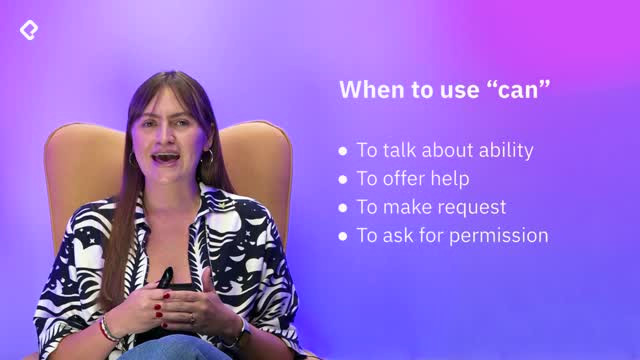
Offering help with can is simple and direct. It shows willingness and keeps the focus on the other person’s needs.
What is the core question pattern with can?
- Use this pattern: Can + subject + help + you (+ base verb)?.
- The verb after help is in the base form: the natural form, no -ed, no -ing.
- Examples.
- "Can I help you?".
- "Can she help you?".
- "Can I help you onboard the new member?".
- "Can I help you work on that?".
How can we offer help without the word "help"?
- Use this pattern: Can + subject + base verb + for you?.
- This is more specific and sounds proactive.
- Examples.
- "Can I connect the projector for you?".
- "Can I make copies for each attendee?".
- "Can I host the event for you?".
- "Can I collect the information for you?".
When is "can" permission vs an offer?
- It depends on context.
- Asking permission focuses on what you may do: "Can I cancel the meeting?".
- Offering help focuses on doing it for someone: "Can I cancel the meeting for you?".
What real examples show useful "can" offers?
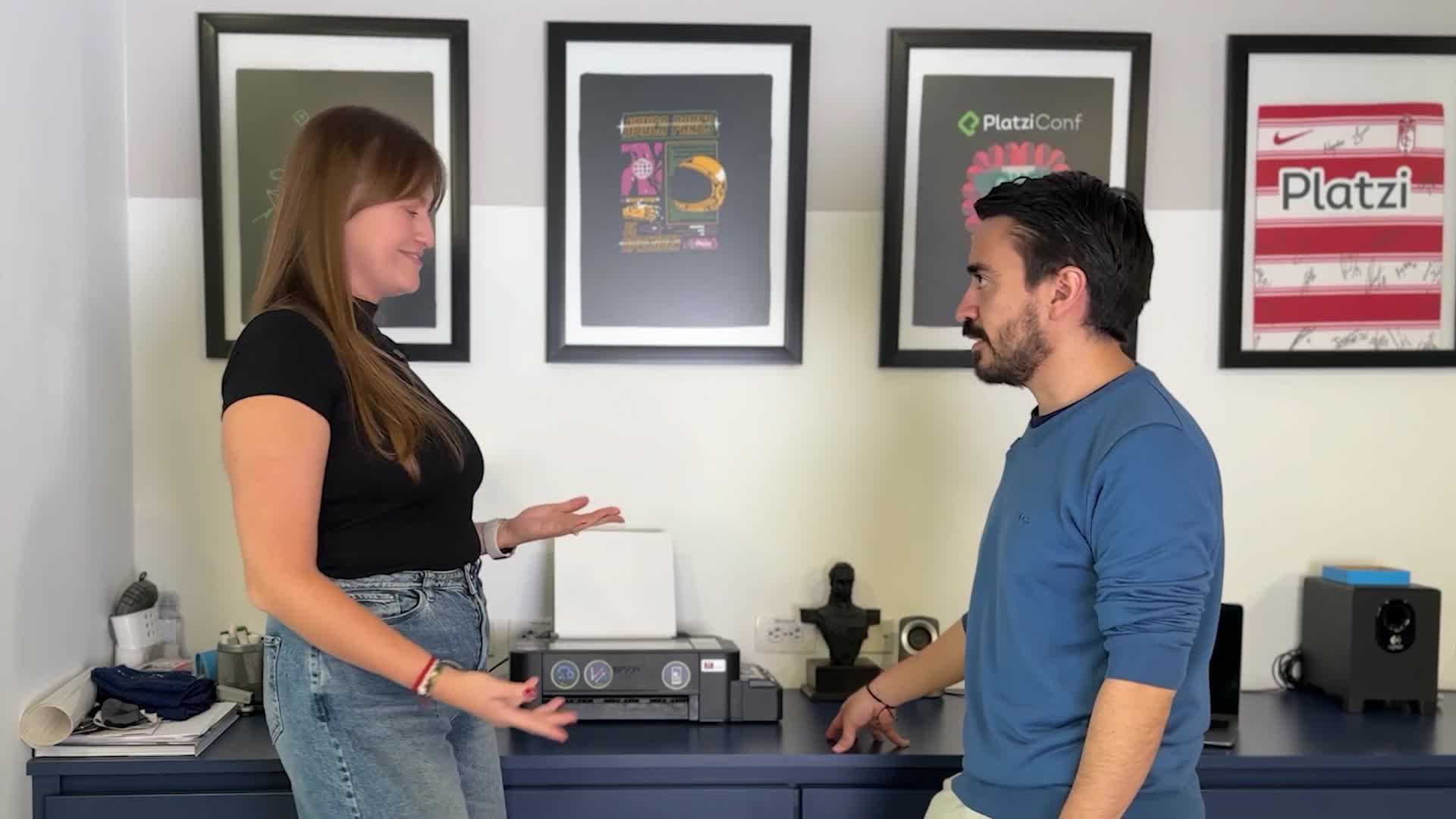
Paula notices Matthew is stressed before a meeting. She offers concrete help. Copy these lines to support coworkers kindly and efficiently.
Which workplace lines model natural offers?
- "Can I help you?".
- "Can I connect the projector for you?".
- "Can I help make copies of this material for each attendee?".
- "Can I get you something to drink? Water? Coffee?".
- "Can I check the meeting room setup?".
- "Can I do anything else?".
How do we respond to offers: accept or decline?
- Accepting help.
- "Yes, please. That would be really helpful.".
- "That would be great. Thank you.".
- "Thanks. I appreciate it.".
- Declining help.
- "No, thank you. I'm okay.".
- "It's all right, I can do it.".
- "That's very kind of you, but I'm fine.".
Which vocabulary will boost your offers?
- stressed, busy, meeting, slides, projector, copies, attendee, setup, carry, folders, board, file, cancel, approve, manager, rest.
- Use short add-ons for clarity: for you, with that, with the presentation.
- Keep verbs in the base form after can: connect, make, get, check, carry, write, look.
How can you practice and respond with confidence?
Use the same situations to build fluency. Focus on clear, short offers with can.
What quick prompts can you try now?
- Situation: a colleague is carrying many folders. Offer help.
- "Can I help you carry some folders?".
- Situation: a speaker looks tired while writing on the board. Offer help.
- "Can I write this on the board for you?".
- Situation: someone on a call is searching for a file. Offer help.
- "Can I help you look for the file?".
- Situation: Laura is calmly finishing a report. Decline politely.
- "Can I help you with the report?" → "No, thank you. I'm almost done.".
- Situation: Gabe is stressed with slides. Accept and specify.
- "Can I help you with the presentation?" → "That would be great. Thank you. Can you check the last slide?".
- Situation: Lucy has her hands full. Accept clearly.
- "Can I help you carry anything?" → "Yes, please. I have my hands full.".
Ready to try your own? Share two new offers with can in the comments—one with help and one without help—and add a natural response for each.