🛡️ SECURITY
🚀 Lovable + Supabase (Pre-Deploy)
🎯 OBJECTIVE
🔐 Deploy applications without exposing sensitive data, applying security controls before publishing.
✔ Detect risks
✔ Fix insecure configurations
✔ Strengthen authentication
✔ Publish with confidence
⚠️ WHY IS SECURITY CRITICAL?
A small mistake can leave data visible on the Internet 🌐
🔴 Common risks
- 📂 Public tables → exposed emails / IPs
- 🔓 Lack of access control
- 🗝️ Misconfigured keys or policies
🟢 Prevention
- Run Review Security
- Fix EVERYTHING before deploy
🚫 MISTAKES YOU MUST AVOID
❌ “Rogue” tables open to everyone
❌ Policies that allow viewing emails
❌ Publishing without reading the report
❌ Ignoring pre-deployment warnings
👉 Rule: if there are alerts, do not publish
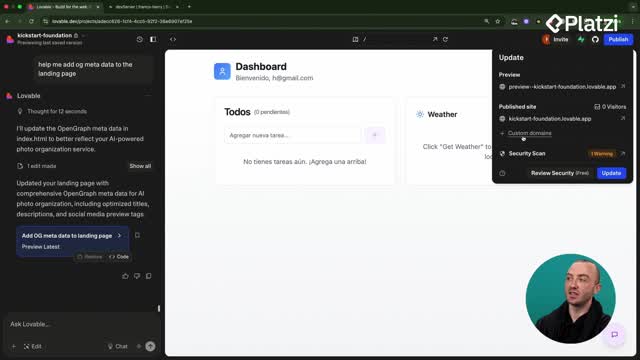
🔍 KEY TOOL — Review Security
🧪 Automatic security scan across:
🧩 Code
🗄️ Supabase (tables and policies)
🔐 Authentication and authorization
🧠 What does it detect?
⚠️ High and medium risks
📤 Exposure of personal data
🔓 Weak access policies
🛠️ What does it offer?
🔧 Try Fix (automatic fixes)
📄 Clear, actionable report
✅ Confirmation of improvements
🎯 Ability to reach 0 issues
🛠️ ACTIONS FROM THE REPORT
✔ Remove public reads of sensitive data
✔ Require login to access data
✔ Apply suggested fixes
✔ Re-run the scan
📋 Use the report as a checklist
🚀 PUBLISH WITH ZERO ISSUES
🔁 Recommended flow:
1️⃣ Run the scan
2️⃣ Review errors
3️⃣ Apply Try Fix
4️⃣ Re-scan
5️⃣ Implement security fixes
6️⃣ Confirm 0 errors
7️⃣ Publish ✅
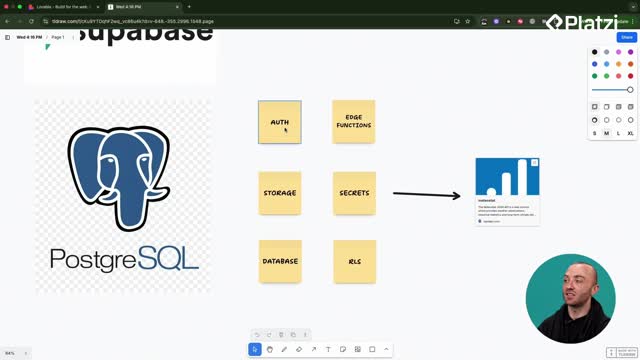
🧱 SUPABASE — BEST PRACTICES
⚙️ Security is defined through SQL policies
🔐 Core principles
- 🔑 Authentication required
- 🚫 No public access to sensitive data
- 👤 Each user sees only their own data
🧍♂️ ROW-LEVEL SECURITY (RLS)
🛡️ Controls access per user
✔ Create
✔ Read
✔ Update
✔ Delete
📌 Only own data
⚠️ Important:
- May change app behavior
- Always test critical flows
🔑 EXTRA LAYER — LEAKED PASSWORDS
🧠 Supabase can block compromised passwords
🔍 Checks against public breach databases
🌐 e.g. Have I Been Pwned
🚫 Blocks insecure logins
✅ Simple and effective defense
🛡️ Reduces account takeover