
Employee Life Cycle Stages Explained
Contenido del curso




Atracción y Selección de Talento
Integración y Desarrollo del Empleado

Operaciones, Compensación y Beneficios

Cultura, Experiencia y Salida del Empleado
Cerrar el Ciclo sin Romper la Cultura
Cultura y Estrategia de Personas

Employee Life Cycle Stages Explained
Resumen
The employee life cycle is the interconnected system that maps every stage a person experiences inside your company, from the moment they hear about you until long after they leave. Understanding it helps HR teams spot where value is created and where gaps quietly drain talent, culture, and reputation.
Think of it less as a checklist and more as a living loop: each phase shapes the next, and the way you handle one stage often determines whether the following one even happens.
What are the stages of the employee life cycle?
There are versions with more or fewer phases, but the base model used across the industry covers seven moments that flow into each other. Many of the terms stay in English because they're industry standard, even in Spanish-speaking HR teams.
- Attraction: making the right people want to work with you.
- Selection: confirming they're the right fit for the right role at the right time.
- Onboarding: integrating them into culture, tools, team, and expectations.
- Engagement: building emotional commitment beyond the paycheck.
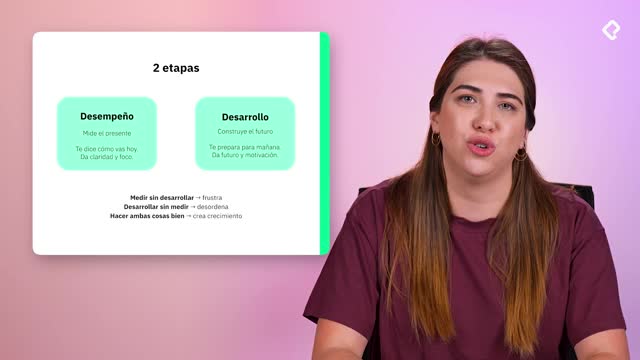
- Performance: delivering results and meeting goals.
- Development: growing, taking on new challenges, expanding the role.
- Offboarding and alumni: closing the relationship well and staying connected after.
These stages don't run in a strict line. Engagement, performance, and development form a cycle that repeats as long as the relationship lasts.
How does attraction and selection shape everything else?
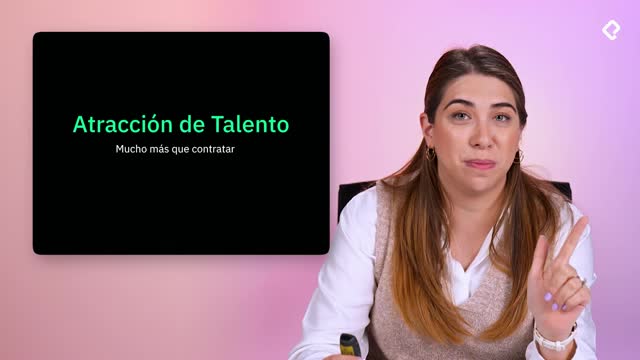
It all starts with employer branding, which works a lot like those mobile game ads that make you stop and think "I need to download this and see if it's really that fun". Your company has to feel worth downloading.
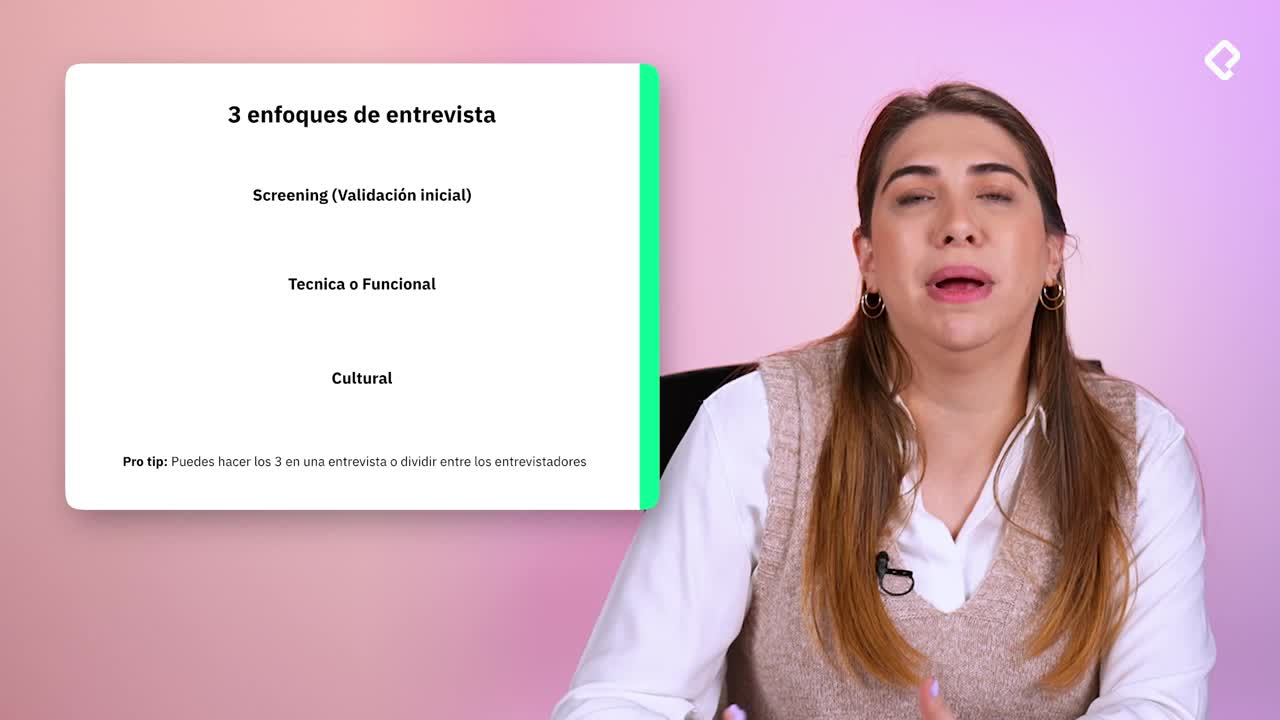
Once candidates are interested, selection kicks in. This is where you design interviews, tests, challenges, and business cases to make sure both sides are aligned. It's not only about whether they want you, but whether you both fit at this exact moment [1:35].
What is employer branding in HR? It's the perception people have of your company as a place to work. A strong employer brand attracts the right candidates before you even open a job posting.
Why is onboarding one of the most critical moments?
When someone joins, onboarding is where you teach values, ways of working, tools, role, team, and expectations [2:35]. But something else happens here that's easy to miss: the new hire is silently checking whether you're delivering on every promise made during selection.
If the experience matches the pitch, trust grows. If it doesn't, disengagement starts on day one and the rest of the cycle suffers.
How do engagement, performance, and development connect?
After onboarding, you enter the engagement stage, though honestly engagement begins from the very first day. Engagement is the emotional commitment that goes beyond just showing up to do a job [3:25].
And here's where the loop becomes powerful:
- A committed person wants to perform well and hit their goals.
- Strong performance unlocks new challenges and growth.
- That growth becomes development, which feeds engagement again.
This cycle repeats as long as the relationship is healthy. Your job in HR is to keep the three in sync: confirm commitment exists, make sure performance is solid, and reward it with real development opportunities.
Why does employee engagement matter? Because committed people perform better, grow faster, and stay longer. Engagement fuels performance, and performance fuels development, which loops back into more engagement.
What happens during offboarding and the alumni stage?
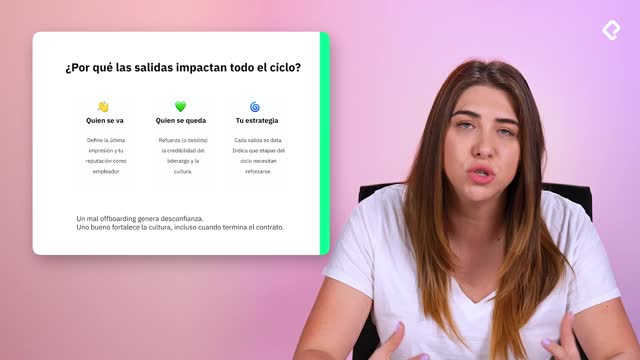
Every relationship eventually ends, and that's where offboarding comes in [5:05]. The way you close the relationship signals to everyone who stays how the company really treats people. It also has to follow legal requirements and protect both parties.
Then comes the alumni stage, the final phase of the cycle. Alumni are former employees you want to stay connected with because they keep talking about your company, your culture, and their experience, good or bad [5:55].
Done right, alumni become:
- Ambassadors who strengthen your employer branding.
- Referral sources for future hires.
- Potential boomerang employees who return for a second run.
A strong alumni community closes the loop and feeds the very first stage of the cycle again, attraction.
Key concepts to remember from the employee life cycle
A quick map of the terms that show up across HR conversations and why each one matters in your day to day.
- Employer branding: how your company is perceived as a workplace, the magnet that drives attraction.
- Selection: structured process with interviews, tests, challenges, and business cases to confirm mutual fit.
- Onboarding: the integration window where promises are validated and culture is transmitted.
- Engagement: emotional commitment that goes beyond transactional work.
- Performance: measurable delivery of goals and results.
- Development: growth through new challenges, learning, and expanded responsibilities.
- Offboarding: the structured, respectful, legally compliant exit process.
- Alumni: ex employees you intentionally keep in your community.
Now draw your own employee life cycle. Map what's actually happening in each stage at your company today, where the gaps are, and where you're generating real value. Drop your version in the comments so we can compare notes.