Mastering English at the A1 level means more than memorizing grammar rules in isolation — it means combining those rules naturally when the context shifts. That is exactly what a well-designed final assessment measures, and understanding its structure can transform the way you prepare, perform, and grow.
What seven skills does the A1 final test evaluate?
The test covers seven core skills built throughout the entire course, each practiced individually before being mixed together [0:53]:
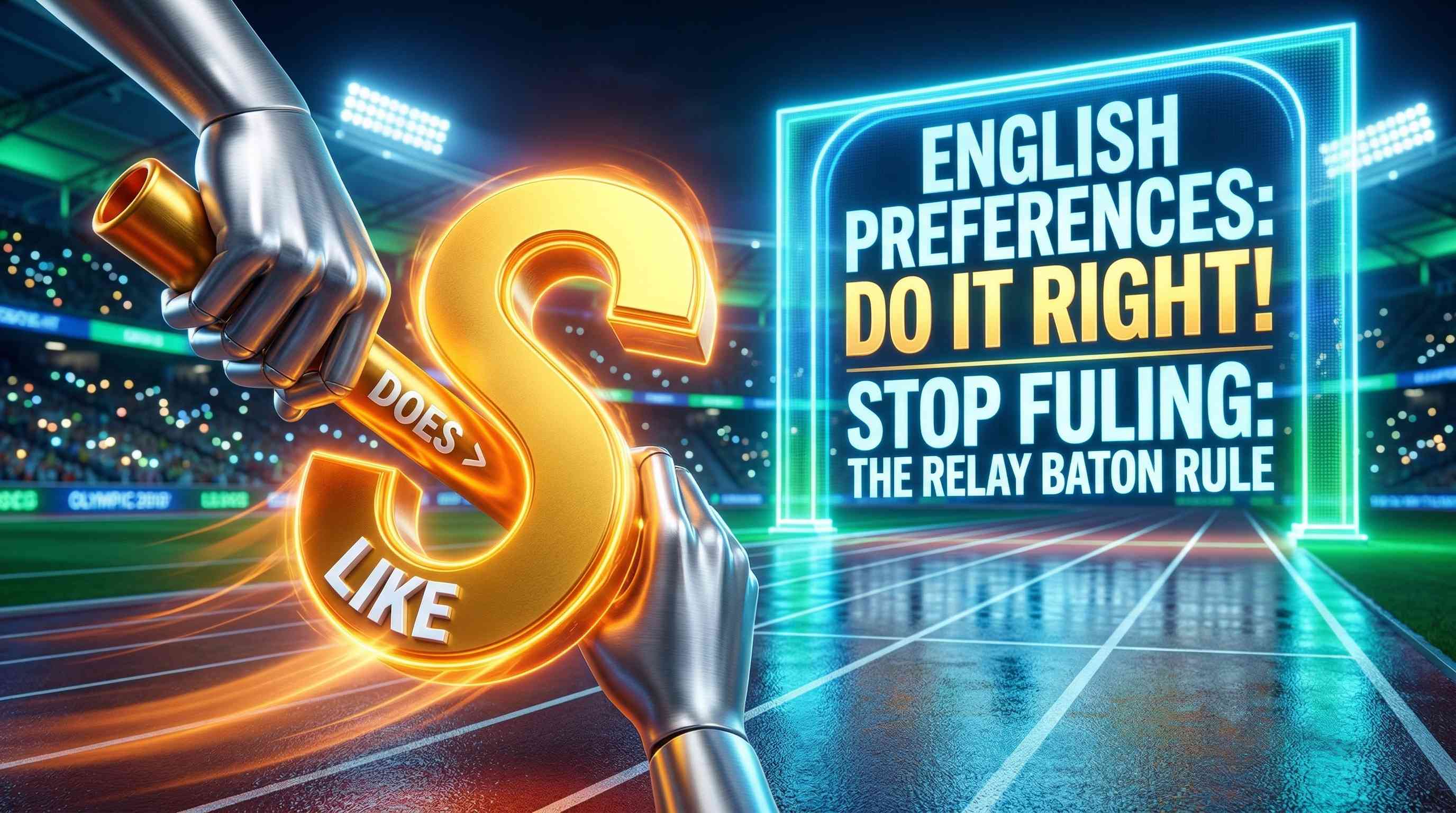
- Short answers with do and does: matching the auxiliary from the question.
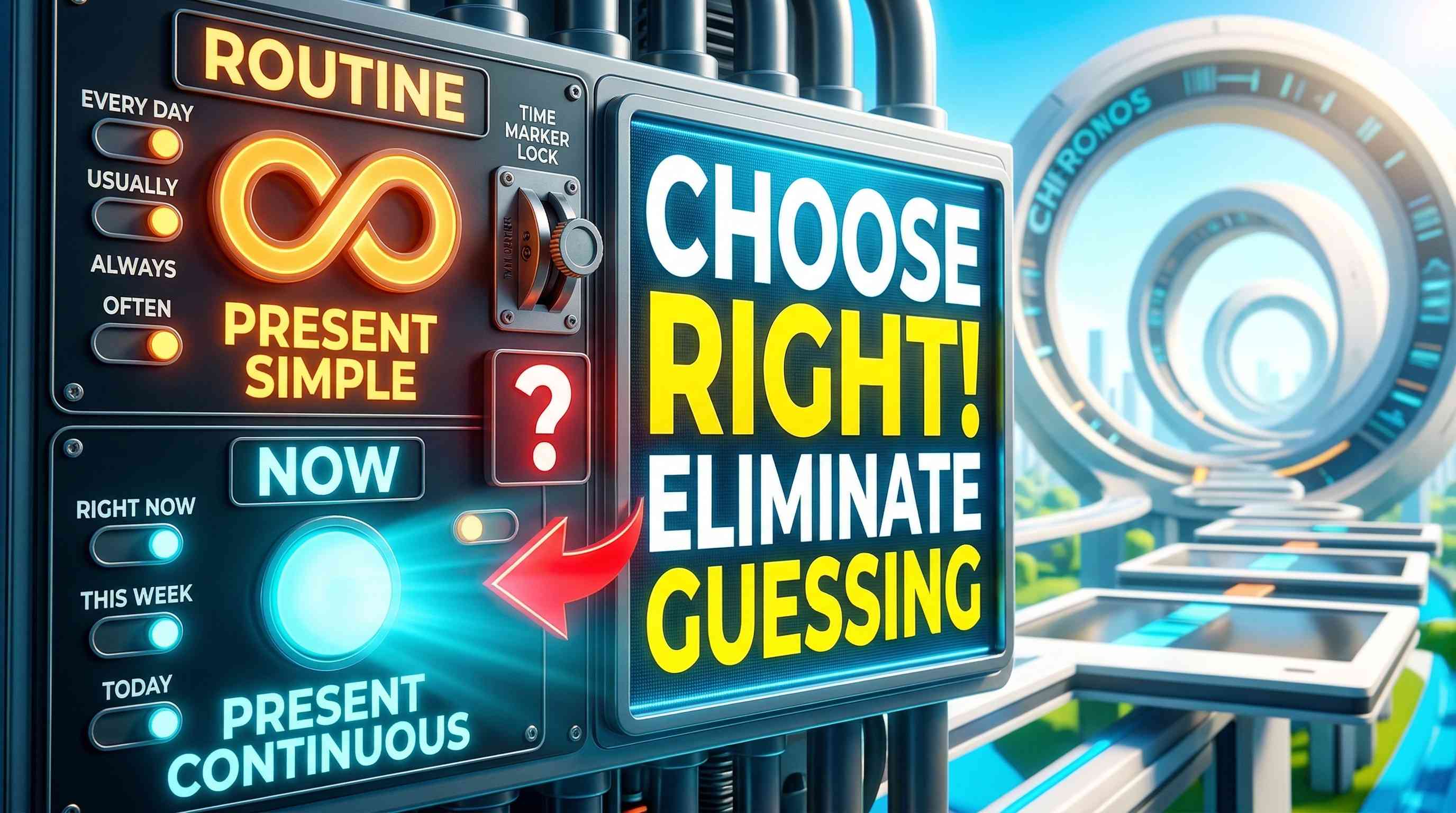
- Present simple vs. present continuous: applying the time-marker decision rule to choose the correct tense.
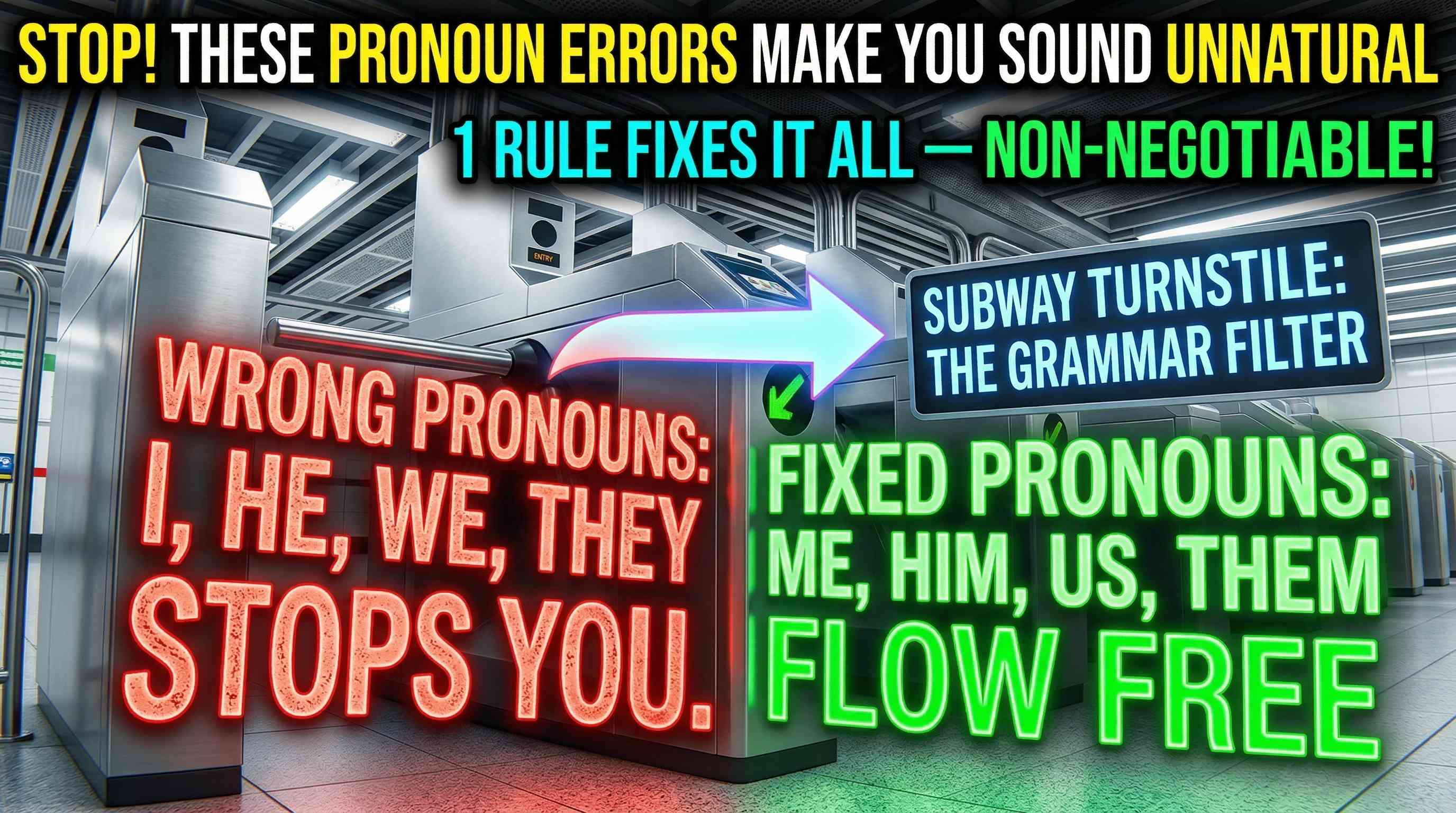
- Object pronouns: placing me, him, her, it, us, them after verbs and prepositions.
- Likes, dislikes, and opinions: using correct verb patterns to express preferences.
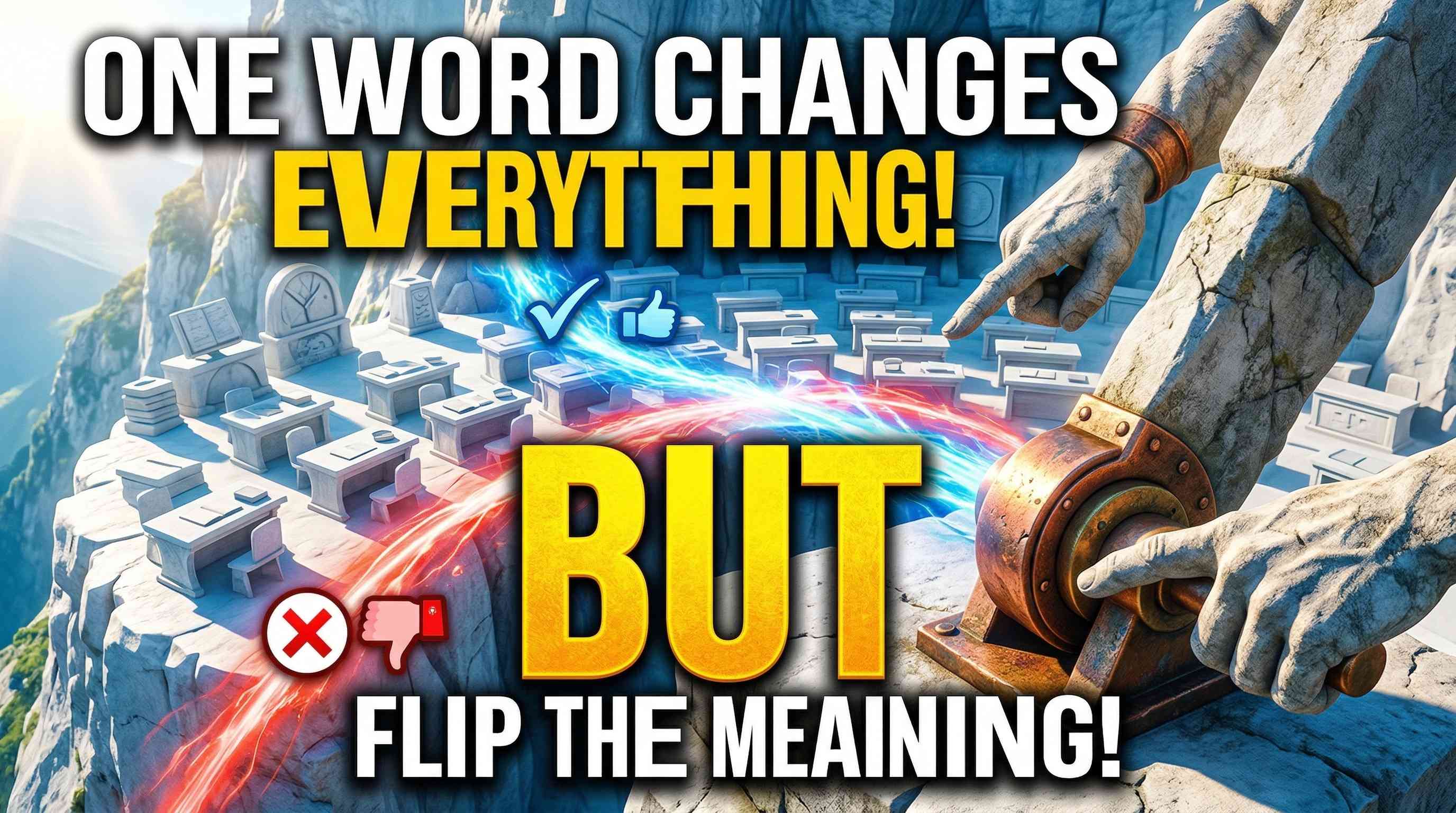
- Contrast with but: linking opposing ideas in a single sentence.
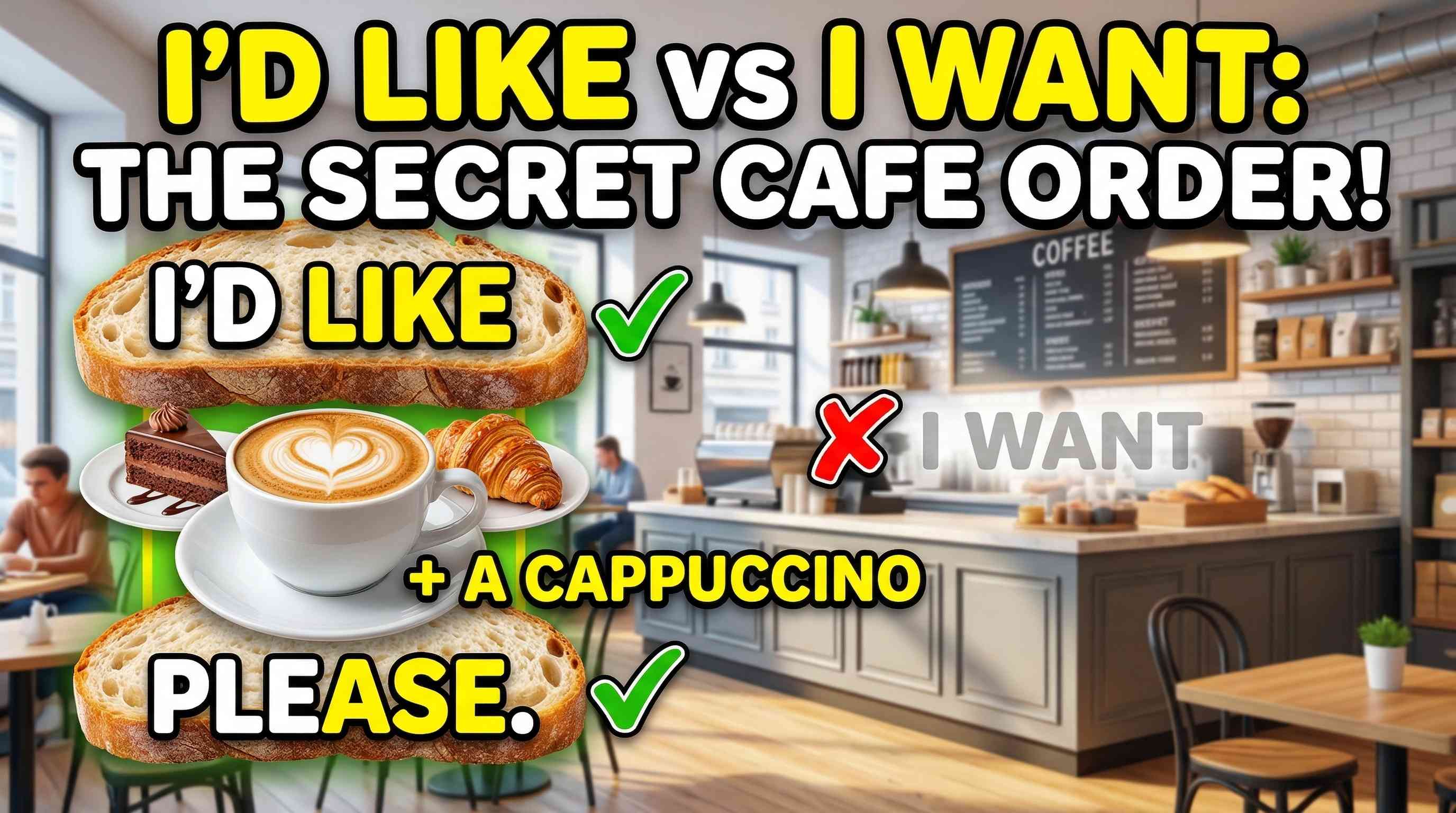
- Polite requests: choosing between I want and I'd like based on social context.
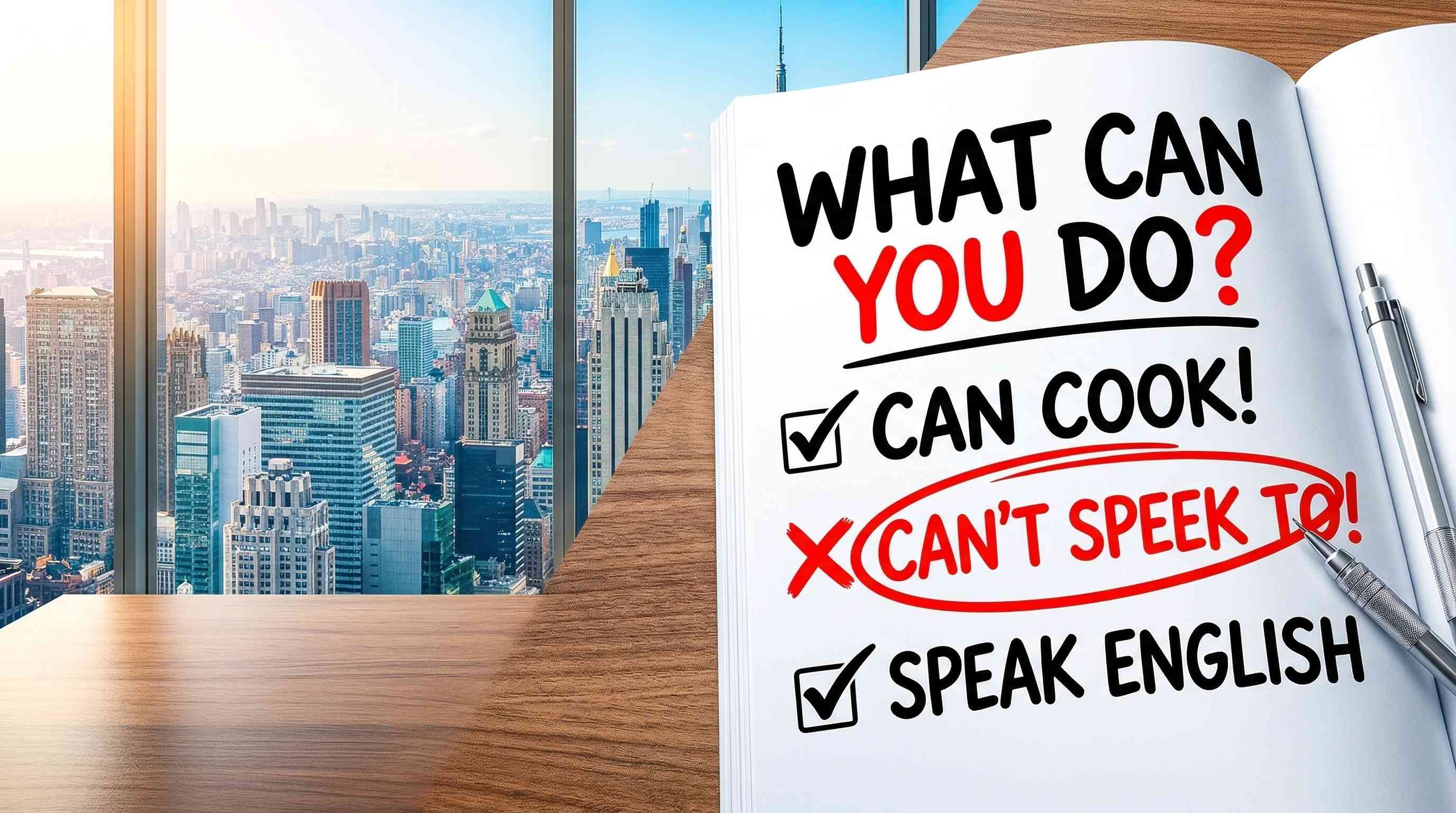
- Abilities with can and can't: remembering that can is the "rebel modal" — no -s, no do, no to after it. Ever [1:29].
About half the questions test one skill in isolation, while the other half require you to combine two or more skills simultaneously [5:04]. Why? Because in real conversation, nobody announces "now I will use an object pronoun" before speaking. Everything has to work together.
How do real-world contexts shape the questions?
The thirty questions are embedded in three real-world scenarios: work, social, and travel [1:54].
At work, you might need to answer "Do you work on weekends?" with "No, I don't" — not "No, I'm not," which would answer a completely different question [2:00]. In a social scenario, a strong response to "Do you like Thai food?" combines six skills in three sentences: "Yes, I do. I like it a lot, but I don't like very spicy dishes. I'd like to try the mild curry" [2:12]. That single reply packs a short answer, an object pronoun, contrast with but, and a polite request with I'd like.
In travel scenarios, describing temporary situations demands present continuous: "I'm staying in London this week" signals something temporary [2:51]. Say "I stay in London" and you have just told someone you live there permanently. Context matters [3:03].
What happens when you get a question wrong?
Unlike traditional tests, this one doesn't simply mark answers as incorrect. It explains why you made the mistake [3:57]. Every error falls into one of six categories:
- Form errors: using the wrong structure entirely, like "I can to swim" instead of "I can swim" [4:07].
- Tense confusion: grabbing present continuous when present simple was needed, or vice versa [4:16].
- Pronoun substitution: saying "I called she" instead of "I called her" [4:22].
- Auxiliary omission: answering just "Yes" instead of "Yes, I do" [4:30].
- Contraction errors: contracting where you shouldn't, or failing to contract where you should [4:35].
- State verb misuse: saying "I'm liking pizza" instead of "I like pizza," because state verbs refuse the continuous form [4:41].
The key insight is powerful: if you miss six questions, you probably don't have six different problems — you likely have one or two problems appearing multiple times [4:52]. Think of it like a car mechanic: six misfires usually mean one faulty spark plug. Fix that plug, and five problems disappear at once.
How does the personalized study plan work?
If you don't pass, every wrong answer gets tagged with its error type, then errors are clustered and counted [5:31]. Maybe you have six pronoun errors, four tense errors, two auxiliary errors — now the pattern is visible.
Next, errors are ranked by impact. Pronoun mistakes genuinely confuse listeners; auxiliary omissions just sound abrupt [5:51]. High-impact errors get drilled first. Always.
The practice uses spaced repetition [6:14]: drill pronouns on day one, review them briefly on day two while adding tenses, then mix everything together on day four. This cycling prevents the classic trap — studying pronouns on Monday, feeling great, and forgetting them by Wednesday.
Why does passing actually matter beyond the score?
Passing means real-world capability [6:39]. You can order politely in a café, answer a colleague's question about your schedule without freezing, hold a conversation at a party about what you enjoy, or state your abilities in a job interview.
This is not fluency — it is the foundation [7:09]. The concrete slab everything else gets built on. Cracks here become structural problems later. Whether you pass or don't pass, you win: one path gives you readiness for A2, where sentences grow longer and tenses multiply; the other gives you a precise map of exactly what to fix [7:24].
Take a breath. Trust the engine you've built. Share your experience — which of the seven skills feels most natural to you, and which one still trips you up?