Contenido del curso

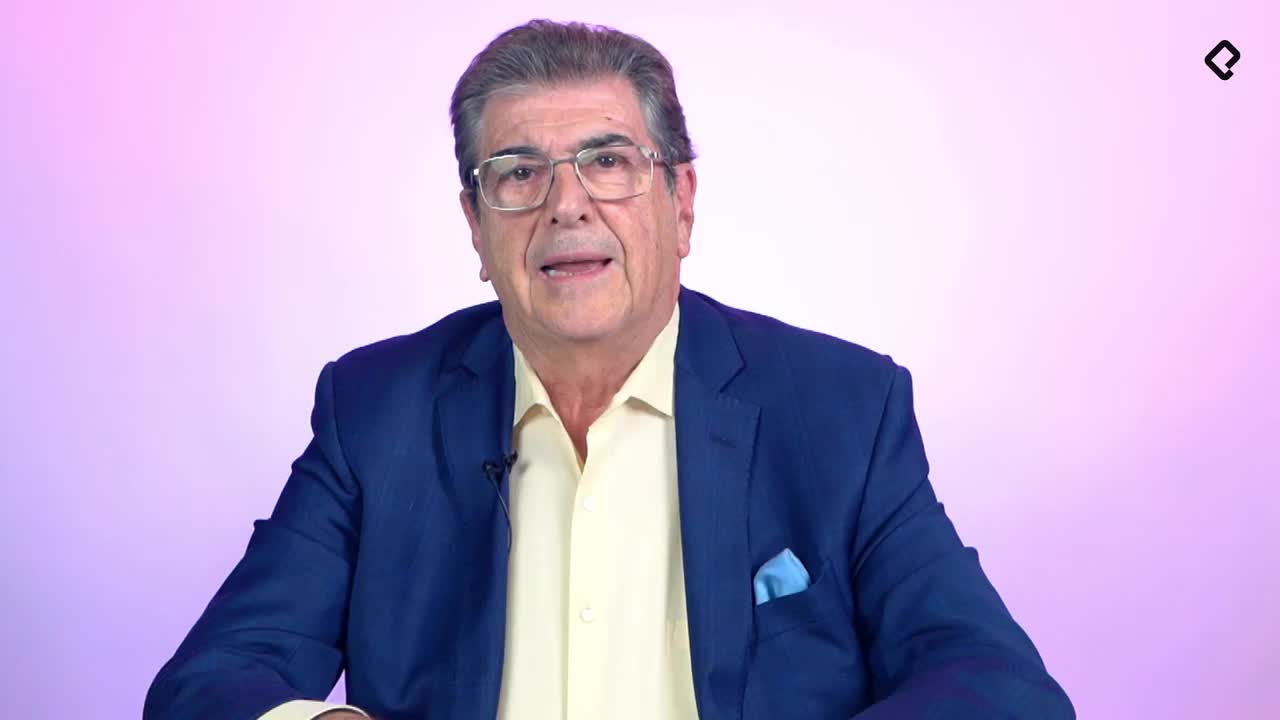
Propósito y pasión
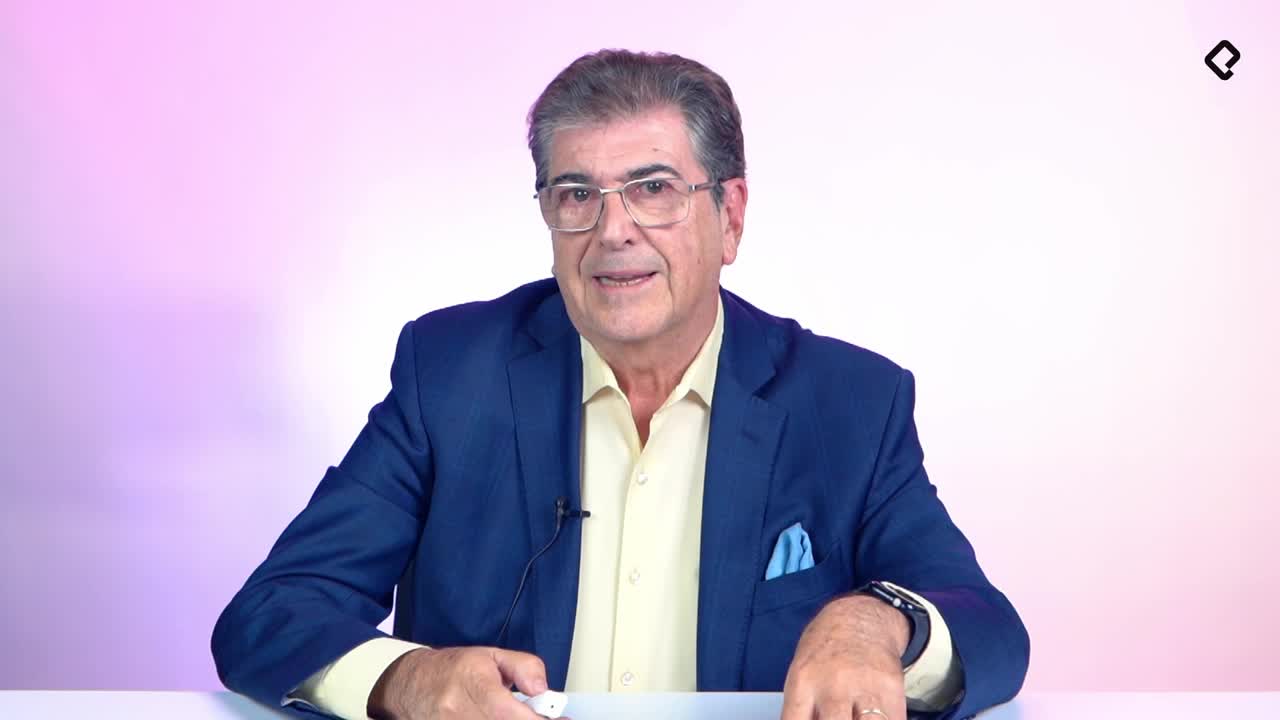
Creatividad práctica para el día a día
Relaciones que suman

Estrategias para la calma interior
Win-Win Talks Through Courage and Empathy
Resumen
Building healthy relationships starts with one core idea: win-win communication. Whether you are dealing with family, friends, or coworkers, the way you focus on your bonds defines how they grow. Here you will learn how to apply assertive and empathic communication so both sides walk away winning.
What does win-win mean in personal relationships?
The concept comes from Dale Carnegie's classic How to Win Friends and Influence People, and it reframes how you approach every interaction. The goal is simple: both people in the conversation should gain something, not just one.
Most of us drift into patterns where someone loses. You either give in too much, or you push too hard. Neither outcome strengthens a bond. The shift happens when you start asking yourself, before any difficult talk, whether the result will benefit both sides.
What is a win-win approach? It is a mindset where you address a problem clearly and empathically so both people end the conversation feeling respected, even if you agree to disagree.
Why agreeing to disagree still counts as winning
Sometimes you talk things through and realize you simply see the world differently. That is fine. Agreeing to disagree is also a win-win outcome because both people had the courage to speak honestly and the respect to listen. The relationship stays intact, and that is what matters.
How do I balance courage and consideration when speaking up?
This is where most people get stuck. Saying what you think requires two ingredients: the courage to express it and the consideration you have for the other person. The mix between these two decides who wins and who loses.
Think of it like a scale:
- High consideration but low courage: you stay silent, you lose, the other person wins.
- High courage but low consideration: you speak harshly, you win, the other person loses.
- High courage and high consideration: both of you win.
The sweet spot is in that third combination. You speak clearly, but you wrap your words in empathy. Something like: "I know you were probably stressed or going through something personal, but what you said back then bothered me, and I want to talk about it." That sentence carries weight without breaking the bond.
How do I speak honestly without hurting someone? Name the issue directly, acknowledge the other person's possible context, and share how it made you feel. That blend keeps respect intact.
Why is that pending conversation still on your mind?
Let me ask you something: do you have a pending conversation? Almost everyone does. There is that one person, that one topic, that one situation you keep postponing.
We delay it for the same reason every time: the conversation feels important but not urgent. So we push it forward, week after week, and it sits there as silent weight.
Here is the thing. That weight does not disappear. It grows. It shows up in your mood, in your work, in how you treat the people around you. The longer you wait, the heavier it gets.
How do I prepare for a difficult conversation?
Before you walk into that talk, do three things:
- Find the courage inside you. Remind yourself why this matters.
- Be as considerate as possible. Think about the other person's reality.
- Face it as soon as you can. Stop carrying it like luggage.
This applies everywhere: at home, at work, in any social setting. The principle does not change. Assertive communication paired with empathy is what turns a tense exchange into a productive one.
So think about it right now. Which conversation have you been avoiding? Who is on the other side of it? And what would change in your life if you resolved it this week instead of next year?
Drop a comment with the conversation you are ready to have, or the one that scares you the most. Sometimes naming it out loud is the first step toward solving it.