Contenido del curso




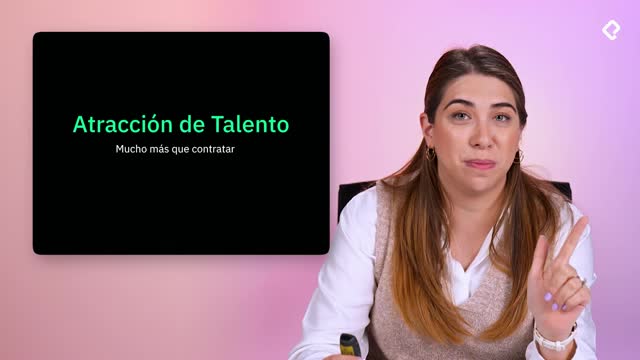
Atracción y Selección de Talento
Integración y Desarrollo del Empleado


Operaciones, Compensación y Beneficios

Cultura, Experiencia y Salida del Empleado
Cerrar el Ciclo sin Romper la Cultura
Cultura y Estrategia de Personas

Why HR and Managers Must Be Allies
Resumen
A strategic HR partner doesn't wait for instructions, it anticipates needs. Think of a colleague who notices you arrive late and brings your coffee straight to the meeting room without asking. That small act of anticipation is exactly what separates a transactional HR function from one that becomes a true business partner, and it starts with how HR works alongside managers and company leaders.
Why is the HR and manager alliance the backbone of talent strategy?
In the previous lesson we mapped the employee life cycle, but a critical question remains: who actually executes those stages? The honest answer is that HR and managers do it together, and that alliance can make or break the entire talent strategy.
HR isn't sitting with the teams every day, watching the operation unfold. Managers are. That's why both sides need to team up: each one holds a different piece of the puzzle, and only together do they get the full picture.
What does a strategic HR business partner actually do? A strategic HR partner observes, diagnoses and proposes solutions before being asked. They build credibility by anticipating needs and aligning talent decisions with business outcomes.
What does each side bring to the table?
Managers offer proximity. They see attitudes, performance and potential up close, day after day. HR brings the macro view: trends across teams, company-wide data, structure, processes and guidance.
When those two layers of information meet, the quality of decisions changes completely. HR designs the systems, scales them and enables managers. Managers lead and execute the processes with their direct reports. In an ideal world, that's the division of labor.
In reality, HR often ends up executing too, and that isn't necessarily a bad thing. It usually happens because the manager doesn't know, doesn't have the tools or doesn't see the relevance of their role yet.
What are the three barriers that break the HR and manager partnership?
When the alliance isn't working, one of three barriers is usually in play. Each one looks different, but the fix follows the same logic.
- They don't know. The manager isn't aware they play a key role in HR processes for their team. Picture a manager receiving a new hire for the first time. Onboarding requires them to introduce the team, set expectations and share the tools. If HR never communicated how central their role is, why would we expect them to step up?
- They don't know how. The manager understands their role but lacks the skills. Imagine someone who needs to have a career conversation with a direct report but has never done it before. HR's job here is to sit with them and help prepare that conversation.
- They don't see the importance. You've probably heard a manager say they don't have time for one on ones or feedback because sales meetings come first. The real issue is that they haven't connected those conversations to business metrics.
How do you get a manager to prioritize feedback and one on ones? Speak their language. Tie feedback directly to the numbers they're chasing. If a salesperson isn't hitting targets and you help the manager deliver clear feedback, the team's results improve, and suddenly those conversations stop feeling optional.
How do you break those barriers in practice?
All three barriers share the same antidote: real conversations and a genuine alliance with managers. Understand the business, learn its language, and figure out where each manager actually stands.
The goal isn't to dump processes on managers or to do everything yourself because it's faster. It's to build the bridge between HR and leadership so the talent strategy actually delivers business results.
How can HR anticipate manager needs and earn credibility?
Anticipation is the muscle that turns HR into a strategic function. It means observing what's happening in the operation, diagnosing the gap and showing up with a proposal instead of waiting for a request.
That posture builds trust with leadership. When managers feel that HR understands their world, translates the message and offers tools that fit their reality, they respond. And when they respond, the business grows.
Without that real alliance between HR and leadership, the employee life cycle becomes air. With it, every stage, from attraction to development, gains traction. Up next we'll dive into the first phase of the cycle: talent attraction and selection. What barrier are you facing with your managers right now?