Creativity Is a Skill Anyone Can Learn
Contenido del curso
Desbloqueos creativos
Convergencia: Técnicas de generación de ideas
- 8
Técnicas de generación de ideas para resolver problemas creativos
00:40 min - 9
Cubing: Six Angles to Better Ideas
07:21 min - 10
Técnica Crazy 8s
03:35 min - 11
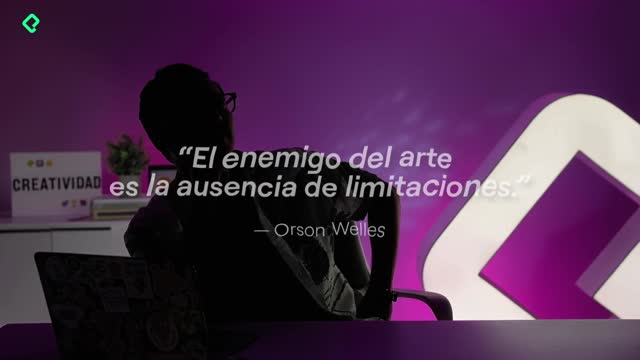
How Creative Limits Spark Better Ideas
02:31 min - 12
Reverse Thinking to Solve Any Problem
03:01 min - 13
5 AI Prompts for Solo Creative Feedback
07:57 min - 14
Six Thinking Hats for Stuck Teams
02:22 min
Incubación
Storytelling: cómo presentar tu idea
Sostenibilidad Creativa: Mantener el Hábito
Recursos
Resumen
Have you ever said "I'm just not creative"? Good news: creativity isn't a talent reserved for a lucky few, it's a skill you can train. This practical creativity course shows you methods to think better, solve problems, and communicate ideas clearly, no matter what you do for a living.
Why is creativity a skill and not an inborn talent?
Creativity works like any other tool: the more you use it, the sharper it gets. You don't need to be an artist, a designer, or someone who fills sketchbooks on weekends. You need a method, and that method can be learned step by step.
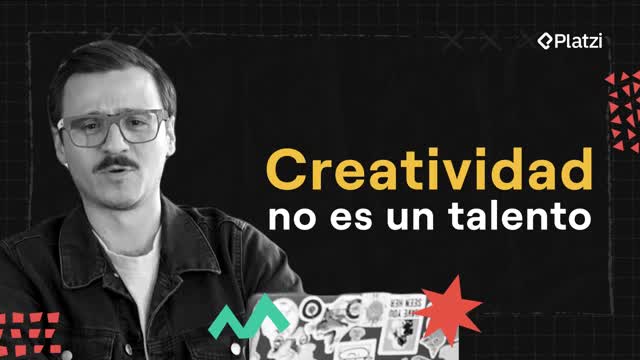
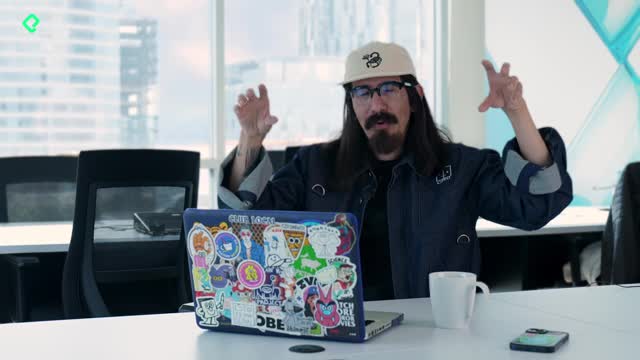
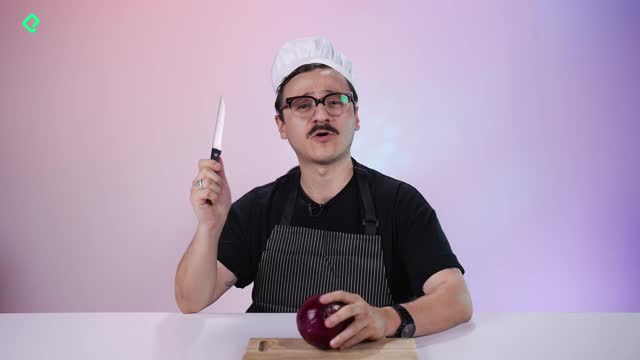
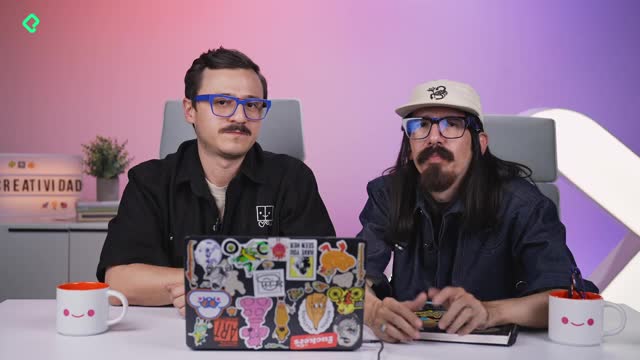
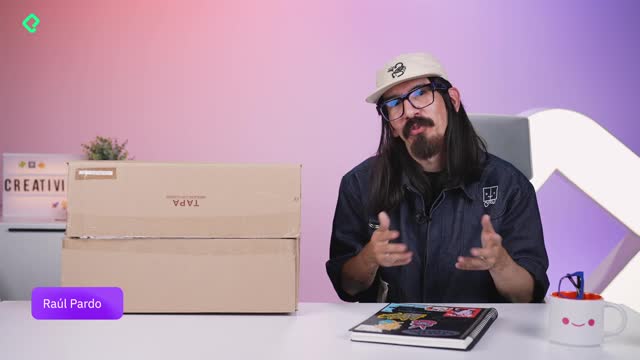
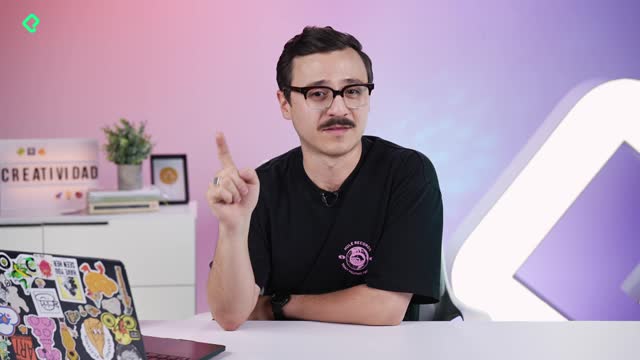
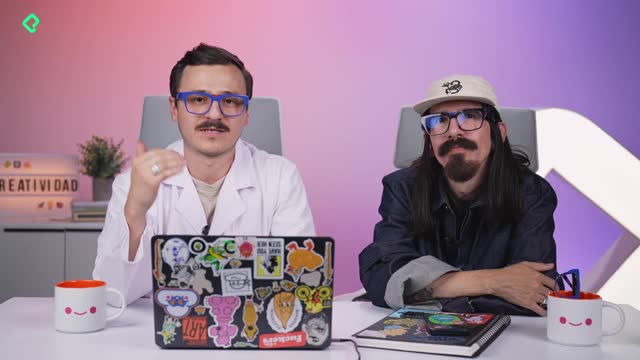
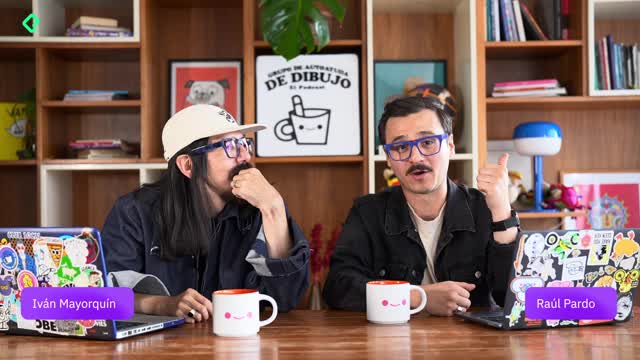
The course is taught by Raúl Pardo and Eva Mierquín, from the Grupo de Autoayuda de Dibujo, with over 10 years of experience working on creative projects with all kinds of professional profiles. That range matters because it proves the same tools work for a marketer, an engineer, a teacher, or a founder.
What does it mean that creativity is a tool? It means creativity is a repeatable process you can apply to any problem, not a gift you either have or don't. You learn it, you practice it, and you get better.
Do I need to know how to draw to take this creativity course?
No drawing skills required. The promise is direct: you won't be asked to sketch like an illustrator or think like an artist. What you'll get is a set of creative tools to break down a brief for any kind of project and move it forward with clarity.
The focus is on three concrete outcomes you can expect from training your creativity as a skill:
- Thinking better when you face an open problem.
- Solving problems with a structured approach instead of waiting for inspiration.
- Communicating your ideas so others actually understand and buy into them.
Who is this course for? For anyone who needs to solve problems or share ideas at work, regardless of their role or industry. You don't need an artistic background.
How will you learn to break down a creative brief step by step?
The course is built around guided practice. You'll take a brief, the document or request that defines what a project needs to achieve, and work it through from start to finish with the instructors walking you along.
This matters because most people get stuck not from lack of ideas, but from lack of a process. When you have a method to unpack a brief, the work feels lighter. You stop staring at a blank page and start moving.
Three shifts you'll notice once you apply these creative methods to your own projects:
- Your work becomes easier because you know where to start.
- Your process becomes more efficient because you waste less time second guessing.
- Your work becomes more enjoyable because you trust the steps you're taking.
If you've ever felt blocked or convinced yourself that creativity belongs to other people, this is your chance to change that story. Drop a comment with the kind of project you'd like to tackle first.
Creativity Is a Skill Anyone Can Learn