Sketching Ideas Without Knowing How to Draw
Contenido del curso

Desbloqueos creativos
Convergencia: Técnicas de generación de ideas
- 8
Técnicas de generación de ideas para resolver problemas creativos
00:40 min - 9

Cubing: Six Angles to Better Ideas
07:21 min - 10
Técnica Crazy 8s
03:35 min - 11
How Creative Limits Spark Better Ideas
02:31 min - 12
Reverse Thinking to Solve Any Problem
03:01 min - 13

5 AI Prompts for Solo Creative Feedback
07:57 min - 14

Six Thinking Hats for Stuck Teams
02:22 min
Incubación

Storytelling: cómo presentar tu idea
Sostenibilidad Creativa: Mantener el Hábito
Recursos
Resumen
A picture is worth a thousand words, and there is science behind it. Learning how to sketch ideas is the fastest way to communicate concepts because images are remembered better than text, an effect known as picture superiority effect. The good news? You don't need to know how to draw. Sketching is not making art, it is communicating visually.
What makes a sketch actually a sketch?
Before picking up a pen, it helps to understand what a sketch is and what it isn't. A sketch is not a polished illustration, it is a thinking tool [00:35].
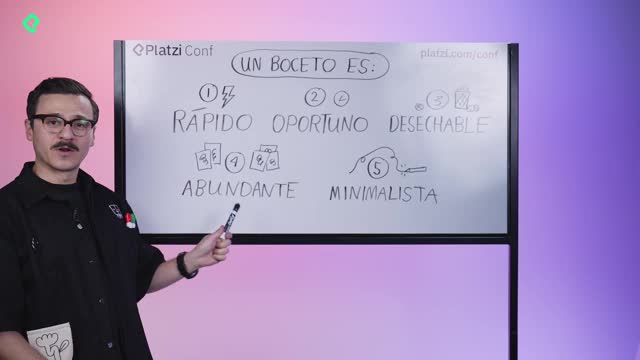
These are the five traits every sketch should have:
- Fast. You shouldn't invest much time creating it.
- Timely. You can make it the moment you need it.
- Disposable. Once it served its purpose, you can throw it away.
- Abundant. You can create as many versions and variations as you want.
- Minimalist. It only needs to capture the essence of the idea.
What is a sketch in design thinking? It's a quick, disposable, minimalist drawing made to communicate an idea visually, not to look like finished art.
How can I sketch if I don't know how to draw?
This is the question everyone asks, and the answer is simpler than you think. You don't need drawing skills, you need basic shapes [02:00].
Why do basic shapes solve almost everything?
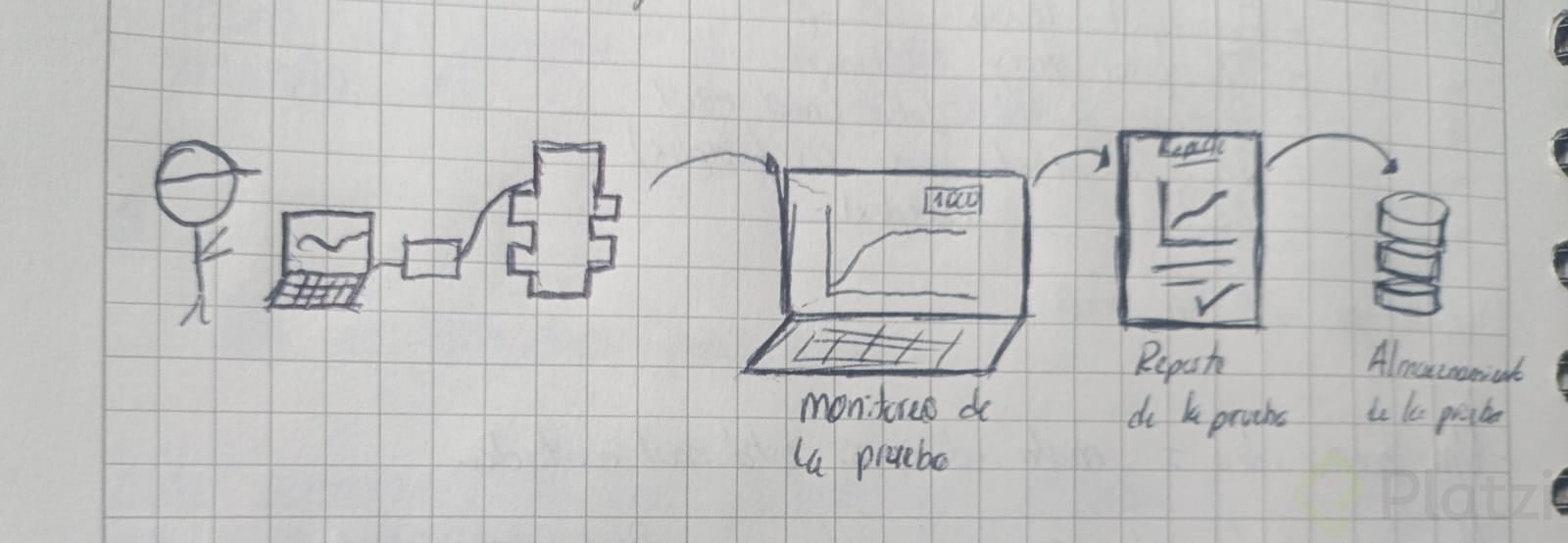
With squares, triangles, rectangles, circles, lines and scribbles you can represent almost anything. Need to draw a user? A circle, a triangle and two sticks will do. A phone? A rectangle with a couple of lines and a small circle. A computer? A rectangle, two sticks and another rectangle inside.
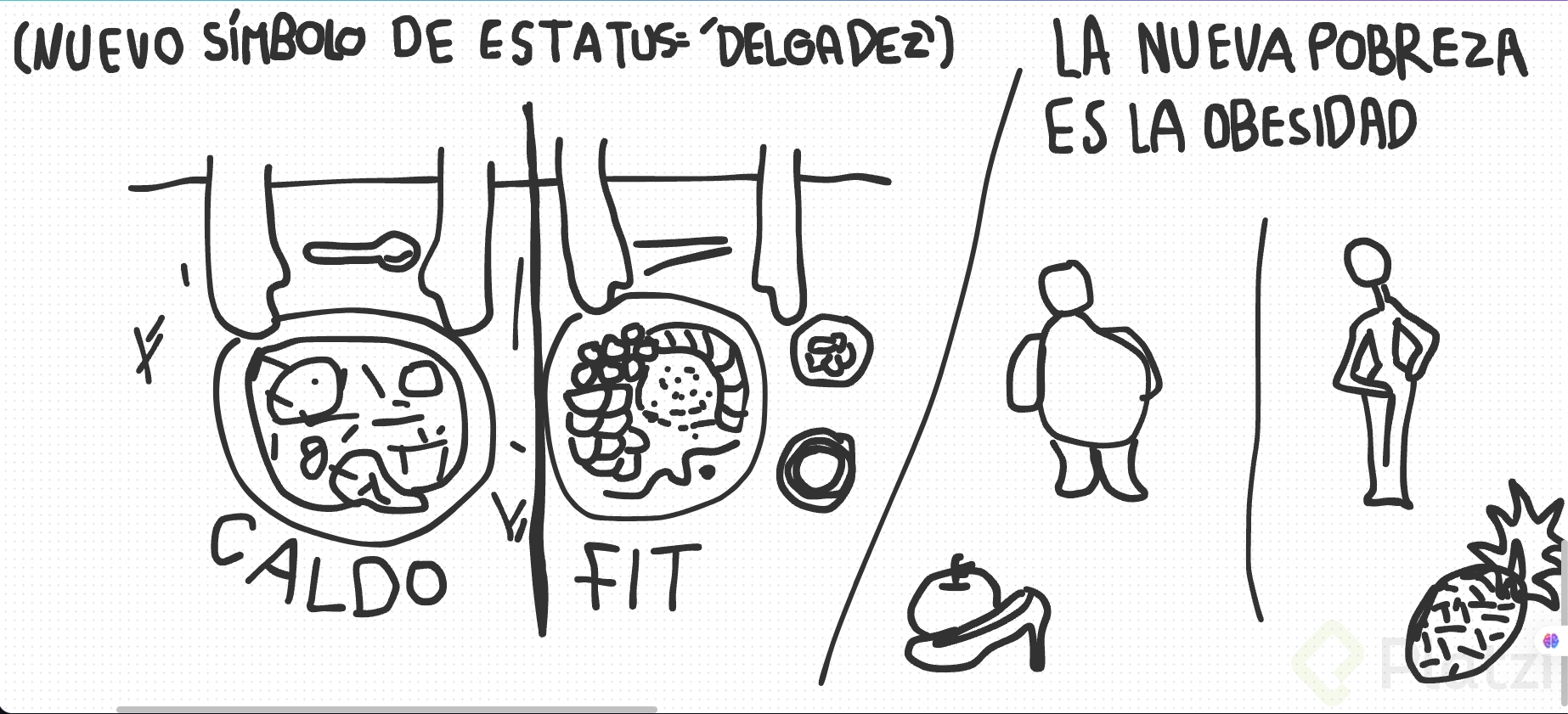
The trick is letting go of the idea that your drawing must look realistic. If the shape communicates the concept, it works.
What is a recurring drawings kit and why do you need one?
Depending on your project, certain concepts will repeat over and over. Instead of reinventing how to draw them every time, define your visual vocabulary from the start [03:15].
For a video course, the recurring icons might be: camera, illustration, desk, blackboard, sketchbook, video class and creative exercises. Once you have your kit, you reuse those icons across every sketch without thinking.
How do arrows, connections and annotations replace long paragraphs?
When we feel our drawing looks bad, we tend to write paragraphs to explain it. There's a shortcut for that.
Arrows, connections and flows save you from writing too much text. Use them to:
- Show the order of steps: this happens, then this, then this.
- Point at multiple elements that belong to one idea.
- Indicate two options to choose from within the same topic.
Text is not the enemy, overuse is. Add labels, small annotations or quick context, but keep it minimal. A tiny desk, a stick figure on screen and a label saying "book cover reference" communicates more than a paragraph ever will.
Should I write text on my sketch? Yes, but minimally. Use short labels and annotations only when the drawing alone doesn't make the idea clear.
What is the step by step process to build a sketch?
Knowing the principles is half the journey. The other half is following a process that turns a blank page into a clear visual idea [05:40].
The five steps to sketch any idea
- Define the objective. Be clear about what you want to communicate, for example, how the classes of a course will work.
- Divide it into parts. Break the big idea into smaller chunks you can sketch separately.
- Add arrows, connections and flows to link those parts.
- Add minimal annotations for context. Even "neanderthal" handwriting works as long as it's understood.
- Review and remake. This is where sketches shine.
Why is reviewing and remaking the most powerful step?
Once you finish a sketch, you can correct it, let it rest, and create another version. Then you or your team review them all, pick what works from each, and build a final sketch that combines the best parts [09:10].
This iterative loop is what makes sketching a thinking tool, not a drawing exercise. You can produce as many versions as needed until the idea clicks.
Putting it into practice with your own brief
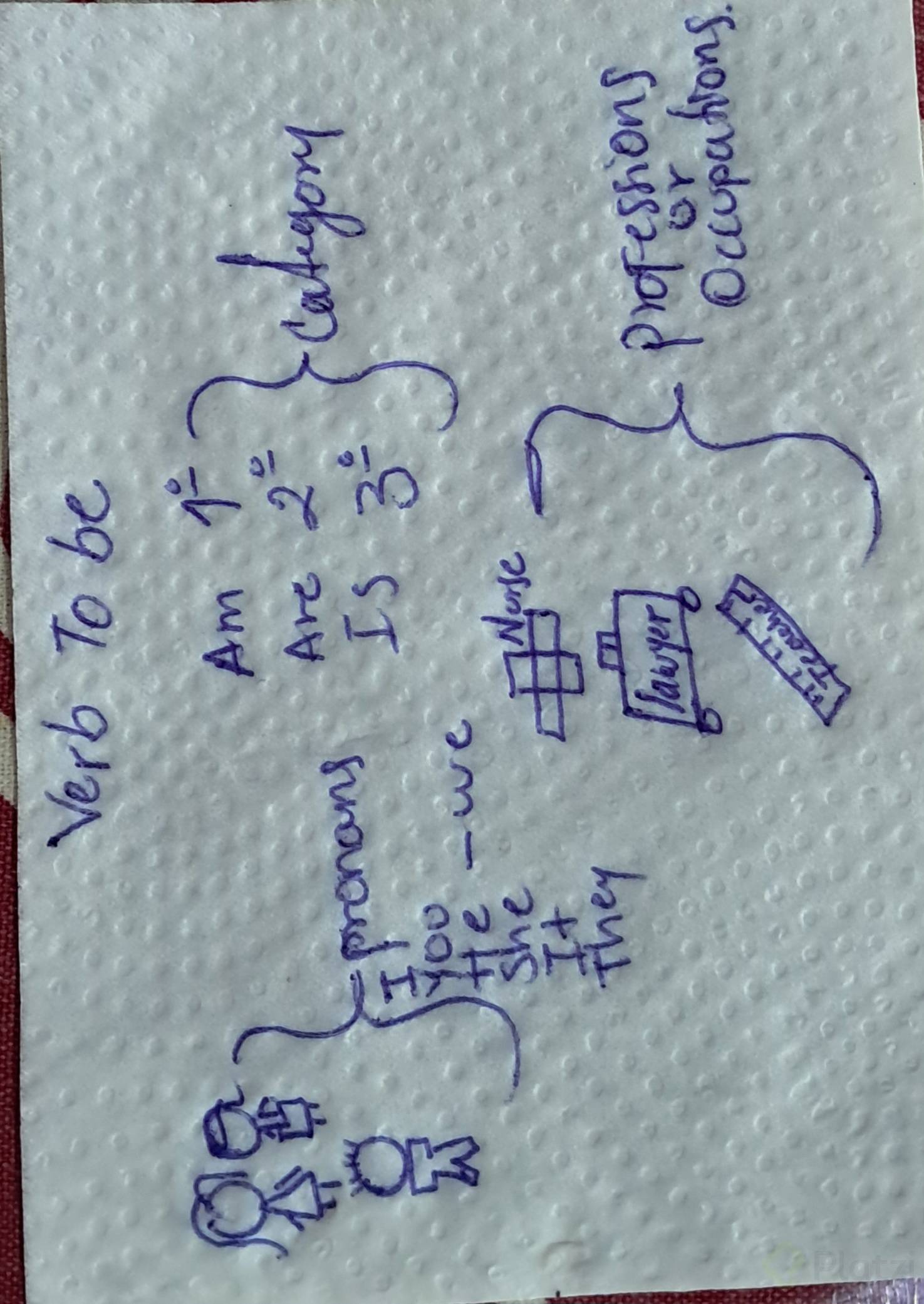
Take the idea you already have in your brief, the project or problem you're working on, and bring it down into the simplest possible sketch using basic shapes, a recurring kit, arrows and minimal annotations. It can be a photo of a paper napkin or a digital version, whatever fits your flow.
Share your sketch in the comments and check what others are doing. You might pick up a visual trick that improves yours, or spark a new idea worth exploring.
Sketching Ideas Without Knowing How to Draw