How to Write a Creative Brief in 6 Steps
Contenido del curso




Desbloqueos creativos


Convergencia: Técnicas de generación de ideas
- 8

Técnicas de generación de ideas para resolver problemas creativos
00:40 min - 9

Cubing: Six Angles to Better Ideas
07:21 min - 10

Técnica Crazy 8s
03:35 min - 11

How Creative Limits Spark Better Ideas
02:31 min - 12

Reverse Thinking to Solve Any Problem
03:01 min - 13

5 AI Prompts for Solo Creative Feedback
07:57 min - 14

Six Thinking Hats for Stuck Teams
02:22 min
Incubación

Storytelling: cómo presentar tu idea



Sostenibilidad Creativa: Mantener el Hábito


Recursos
Resumen
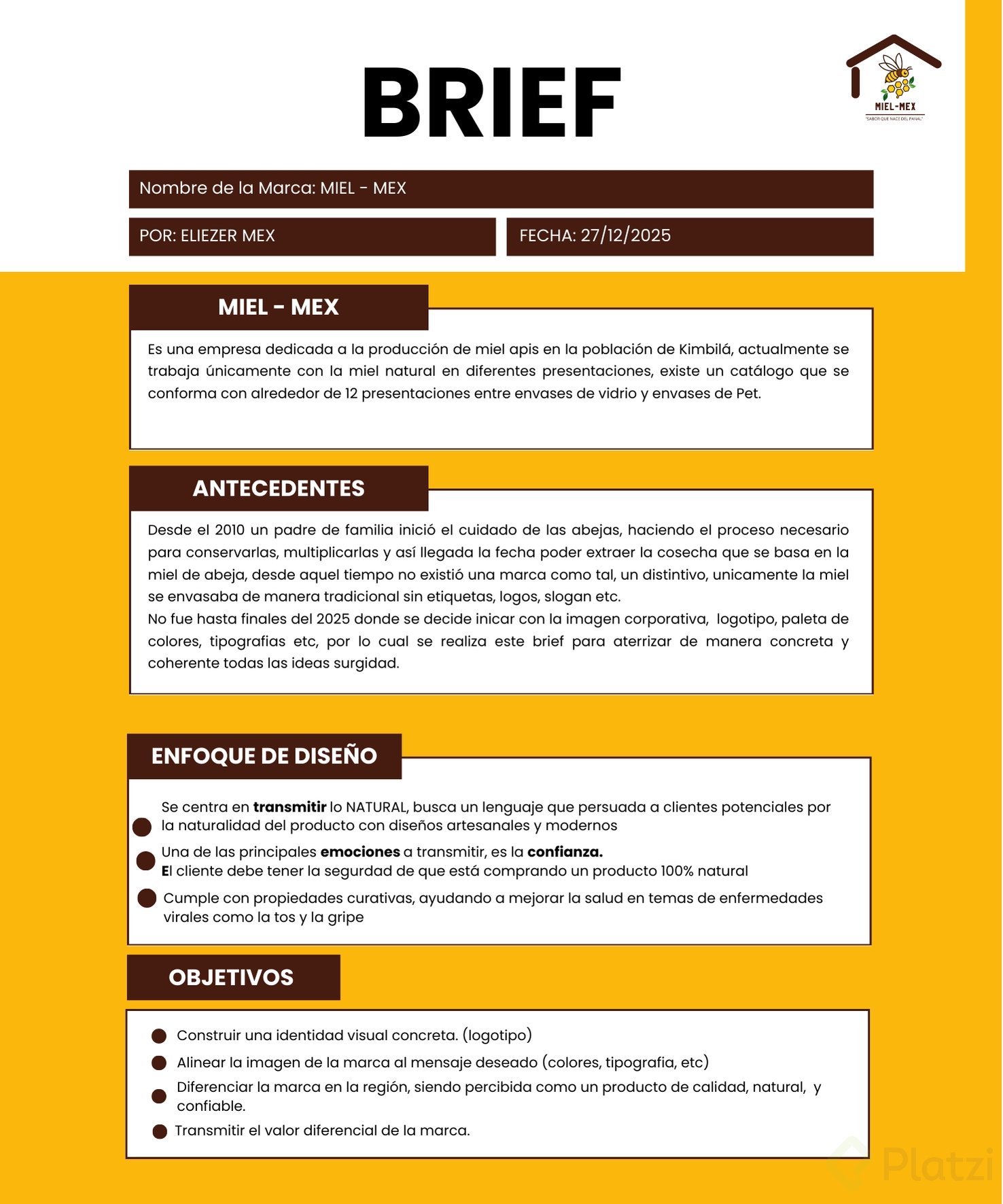
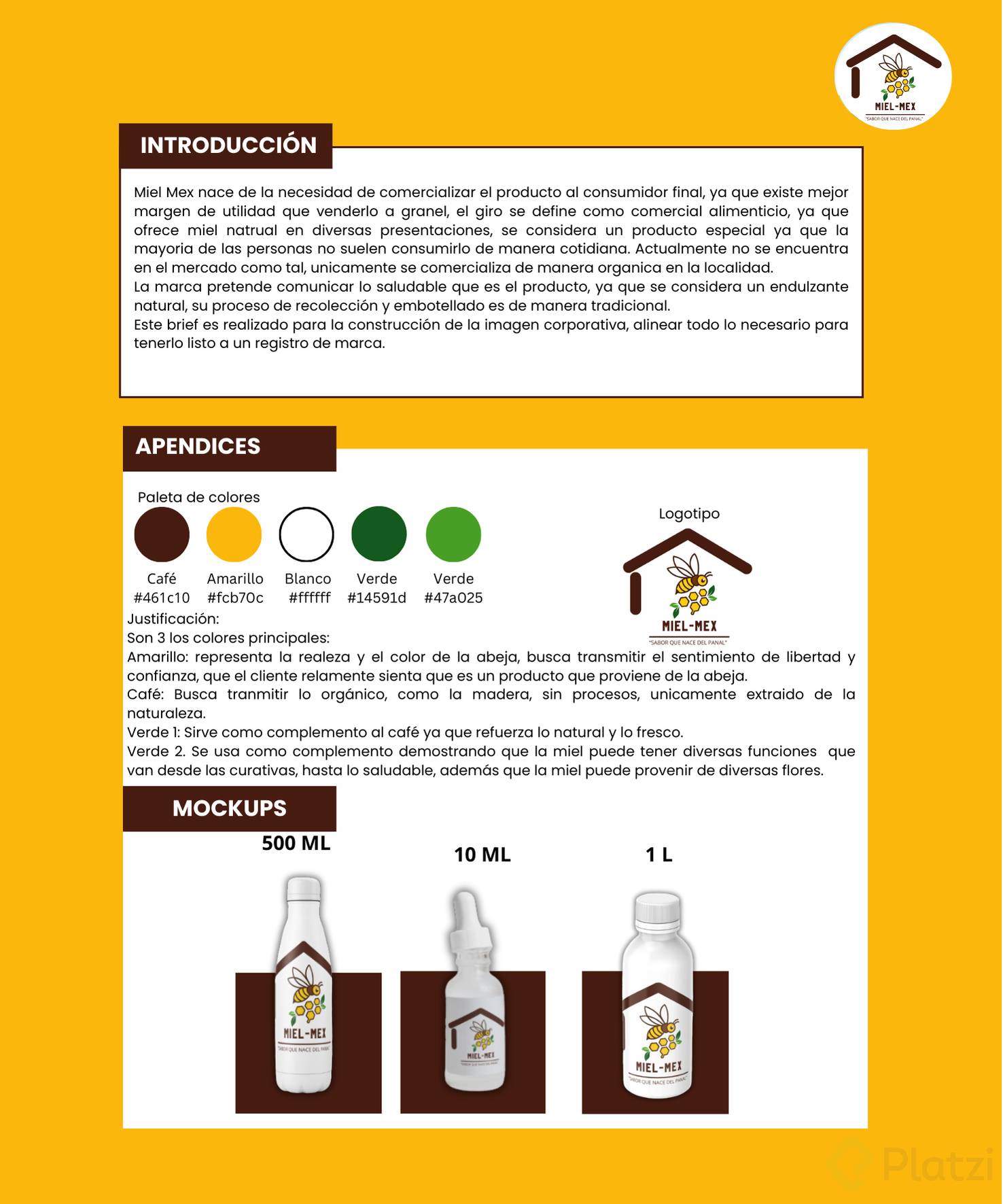
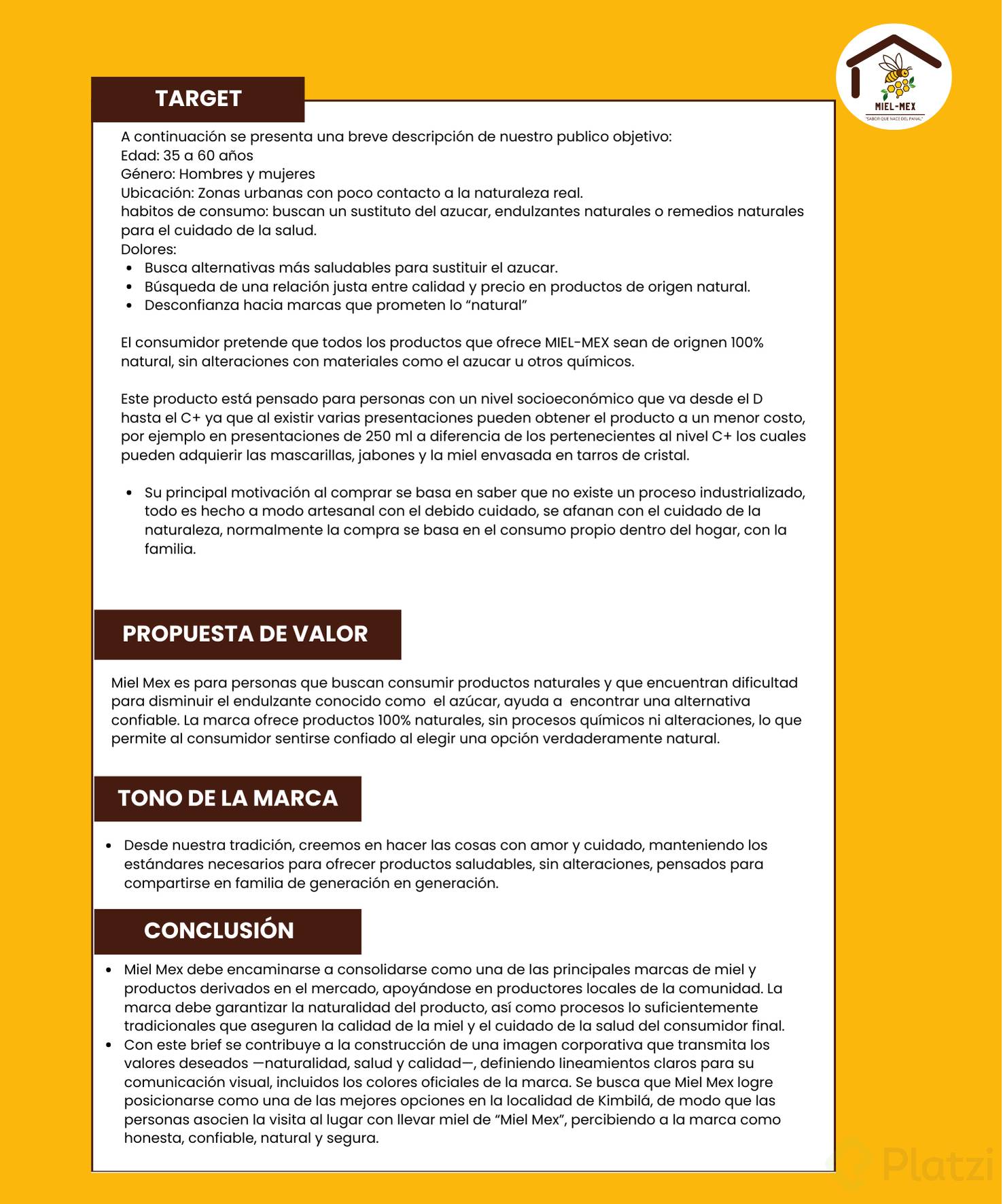
A creative brief turns a vague idea into a clear plan. You will learn how to write a creative brief that is specific, measurable, and useful for any team, whether you work solo, lead a project, or consult for a client. The goal is simple: give everyone a shared destination so creativity can fly without losing direction.
What is a creative brief and why does it matter?
A brief is a key document that defines the goals and scope of a project. Think of it as a road map for the creative team, with clear instructions so every person involved moves toward the same place from start to finish.
One nuance worth keeping in mind: the brief should not hand over specific concepts. Its job is to set direction. That distinction is what lets the team make creative decisions while staying anchored to the same objective.
What is a creative brief? A short document that defines the goals, audience, message, deliverables, timeline, and people involved in a project. It guides the team without dictating creative solutions.
How do I define the project and its objectives?
Start with the what and the why. Write a rich summary of the project: background, goals, and purpose. A short mini history of the company helps, along with the key value of the product, what competitors are doing, and who the customer or target is.
Here comes an important reminder: the target is usually not you. Be very clear about who will actually use or benefit from what you are building.
Then land the objectives by answering three questions:
- Timing: when do we need it.
- Results: what we expect to happen once it launches.
- Metrics: what we will measure to know if it worked.
Not everything is measured the same way, but when the project ends you should be able to say whether it hit the mark or not.
Who is your audience and what message will you send?
This is where you turn strangers into a specific person you can talk to. The sharper your audience profile, the more room your creative team has to connect.
How specific should I be with my audience?
Be very specific. Add demographics, age, and any niche detail you know. The more insight you gather, the more tools your creative team will have to design real connection. And again, the audience often is not you, so resist the trap of asking how you would like to be spoken to.
How do I shape the core message and tone?
Define the key messages you want the audience to take away. What is the main takeaway? Then pick the tone of voice: formal, relaxed, funny, or expert. Locking the tone inside the brief prevents mixed signals later.
What is a main takeaway in a brief? It is the single idea you want your audience to remember after seeing the work. Everything else should support it.
What deliverables, timing, and people should the brief include?
This is the operational backbone of the brief. Skipping detail here is what makes projects drag and bounce back halfway through.
How do I detail deliverables and specifications?
Make a very specific list of what you expect from the creative team. Include every format and spec. For graphic deliverables, write pixel sizes and image formats like PNG or JPG. These details look small, but they are exactly the ones that stretch timelines when they are missing.
How do I set timelines and budget?
Build a clear calendar with deadlines for each phase, a defined budget, and the role of each person. Most strong briefs include a detailed schedule with milestones, the checkpoints where you confirm what gets delivered and when. If your brief covers that from start to finish, you are on the right track.
How do I define stakeholders and responsibilities?
Identify the key people you need and make sure each one knows what they are responsible for. If there are external collaborators outside your immediate team, name them in the brief. You should know who leads each team and also have visibility into what the rest are doing.
How do I keep a brief clear and useful?
A strong brief is short, clear, and easy to read. If something feels confusing, rewrite it. Different roles will interpret unclear sentences in different ways, so clarity is the priority.
Three habits make a real difference:
- Be collaborative and involve the team early, so their input shapes the brief instead of arriving as last minute objections.
- Let the brief rest, then revisit it alone or with the team to catch ideas that were discussed but never written down.
- Look for blind spots on the second read, because meeting agreements often live in memory and disappear on paper.
In the resources you will find a small brief sheet designed for a quick start. Take around 30 minutes to fill it with what you already know about your project. It will change as you move through the course, and that is the point: escape analysis paralysis and start working.
Which step of the brief feels hardest in your current project? Share it in the comments and compare notes with others building theirs.
How to Write a Creative Brief in 6 Steps