Comunicación Positiva y Amigable en Atención al Cliente
Contenido del curso

Atiende Llamadas de Clientes en Inglés
- 2

Saludo telefónico profesional en atención al cliente en inglés
06:30 min - 3

Hacer Preguntas Educadas en Atención al Cliente
06:58 min - 4

Cómo Expresar Empatía en Atención al Cliente
06:31 min - 5

Simulación de Atención al Cliente: Práctica Telefónica
03:54 min - 6

Gestión del tiempo para estudiantes universitarios
00:01 min
Comunícate eficazmente con tu cliente en inglés
- 7

Comunicación Efectiva en Atención al Cliente
06:48 min - 8

Preguntas en Inglés con "Did" para Atención al Cliente
05:41 min - 9

Técnicas de Comunicación Positiva en Atención al Cliente
06:33 min - 10

Comunicación Positiva y Amigable en Atención al Cliente
Viendo ahora - 11
Programación de Interfaces Gráficas con Python
00:01 min - 12
Práctica de conversación en inglés (atención al cliente)
00:00 min
Maneja quejas y peticiones con el linglés adecuado
- 13

Reconocer y Responder a Expresiones de Enfado de Clientes
05:55 min - 14

Prácticas Efectivas en Atención al Cliente
05:47 min - 15

Soluciones Positivas para Atención al Cliente en Situaciones Difíciles
04:51 min - 16

Desafío de Comunicación: Resolución de Problemas con Clientes
01:19 min - 17
Práctica de inglés para manejo de quejas y situaciones difíciles
00:00 min
¿Estás listo para trabajar en servicio al cliente en inglés?
- 18
Autoevaluación del curso
- 19

Habilidades de Inglés para Atención al Cliente
01:20 min
Recursos
Resumen
Communicating with customers in a way that feels warm, professional, and approachable can make all the difference. Knowing how to choose the right words and expressions transforms routine interactions into positive experiences, even when the message you need to deliver is not the one the customer wants to hear.
How can you sound more helpful with customers?
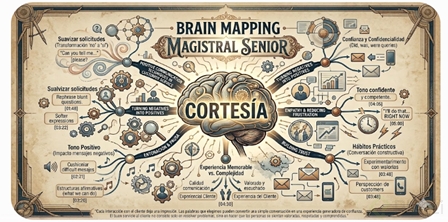
Using helpful words and expressions is one of the most effective ways to improve customer interactions. Instead of giving short, blunt instructions, you can rephrase them to show genuine interest in assisting. For example, rather than saying "Name and nationality?" — which sounds direct and impersonal — a more customer-friendly version would be [0:48]:
- "Can you tell me your name and nationality, please?"
This small change adds politeness markers like can you, tell me, and please, which soften the request and make the customer feel respected.
How do you ask questions about the past correctly?
When working with customers, you will often need to ask about previous interactions, purchases, or experiences. Forming questions about the past correctly ensures clarity and professionalism. Practicing the right structures — such as using did, was, or were — helps you sound confident and competent during these exchanges.
How does a positive tone reduce the impact of negative messages?
Sometimes you need to share information the customer may not want to hear. Using a positive tone allows you to cushion difficult messages. This means framing what you can do rather than focusing on what you cannot. The goal is to acknowledge the situation while keeping the conversation constructive and solution-oriented.
What makes an interaction more customer-friendly?
There are a few practical habits that help you build better communication:
- Rephrase blunt questions into polite requests.
- Choose softer expressions that show willingness to help.
- Experiment with different words to find what feels natural and genuine.
- Always think about the customer's perspective before speaking or writing.
The key is not to memorize scripts, but to practice mixing up words and expressions until they become second nature. Every interaction is an opportunity to build trust and leave a positive impression.
Try the practice exercise in the resources section and see how many interactions you can make more polite and helpful. Share your answers and tell us which rephrasing felt most natural to you.
Comunicación Positiva y Amigable en Atención al Cliente