Four Phases Every Brand Crisis Follows

Resumen

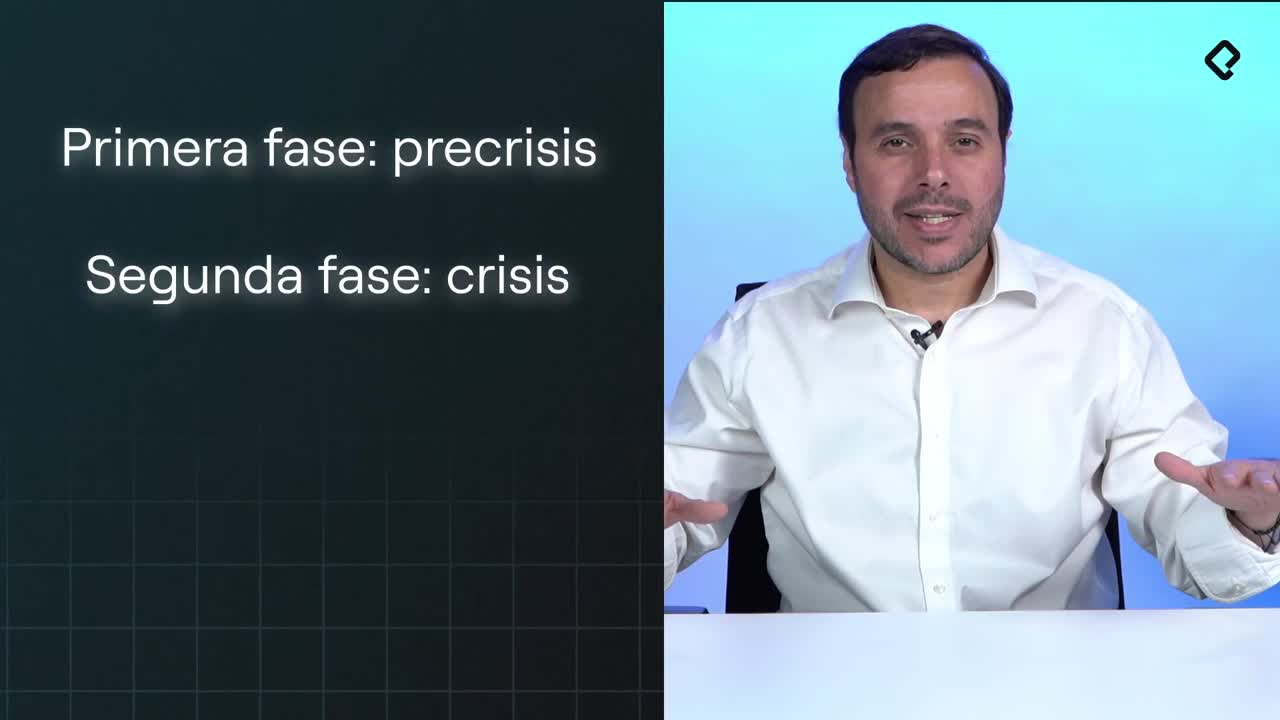
Every brand crisis follows a pattern, and knowing the four phases of crisis management helps you act with clarity instead of panic. If you lead communications, run a brand, or manage stakeholders, understanding pre-crisis, crisis, response, and recovery is what separates a controlled situation from a reputational disaster.

What are the four phases of a crisis?

No crisis appears out of nowhere. There is always a trigger, a context, and a window where decisions matter more than reactions.

How does the pre-crisis phase prepare your team?

The pre-crisis is the prevention stage, and honestly, it is where the real work happens. Here you define protocols, train your team, and build the crisis manuals that will activate the moment something explodes.

Ask yourself: do you have a clear playbook? Has your team rehearsed it? Because the best crisis is the one you train for. If you skip this phase, you will improvise under pressure, and improvisation rarely protects a brand.

What is a crisis manual? A document that defines protocols, roles, and decision flows so your team knows exactly what to do when a crisis hits, without losing time deciding who acts first.

What happens during the crisis peak?

The crisis phase is the peak moment. The story exploded, the situation is live, and you need to act. But acting does not mean reacting blindly.

You analyze the data, verify the facts, and confirm what is actually happening before making public moves. Then you decide: do you activate the war room, or can your internal structure with the communications director handle it? Smaller crises can be managed by the core team. Bigger ones need the full war room activated.

How do you respond and recover from a brand crisis?

Once the peak hits, two phases define whether your brand survives with credibility intact: response and recovery.

Why is the response phase critical?

The response is how you manage the crisis to reconnect with your audience and rebuild the trust that may have cracked. Empathy and reaction matter here. Silence is part of crisis dynamics, sure, but you cannot stay silent for long.

You need to communicate, set the narrative, and show that the situation is being handled. If you do not own the story, someone else will, and that someone is often a detractor or a competing media voice.

How does the recovery phase rebuild trust?

The recovery phase is about earning back the confidence of consumers, audiences, and every stakeholder involved. This is not a quick fix. It is sustained communication, consistent action, and proof that the lessons stuck.

Who are the stakeholders involved in a crisis?

A crisis never impacts just one group. You have to map every actor affected, internally and externally, before you communicate.

  • Internal actors: employees, partners, shareholders, executives. They need a clean internal channel built and maintained over time, not improvised the day of the crisis.
  • External actors: users, consumers, your audience, influencers, media outlets, and detractors. Yes, detractors count, and they will push to damage your brand reputation when you are weakest.
  • Amplifiers: influencers, positive bots, and the community you built around your brand. If you nurtured your brand value, this community becomes your front line of defense.

The Cracker Barrel logo crisis is a good reminder: listening to your community is not optional, it helps you make better decisions when pressure rises.

What are breaking points and golden windows in a crisis?

Two concepts shape the timeline of any crisis, and missing them changes the outcome dramatically.

The breaking point is the moment in the crisis chronology where something shifts substantially. A politician takes the topic into the public agenda, or the story jumps from social media to national media. The communicational impact changes instantly, so identifying these points early is non-negotiable.

The golden windows are the spaces where you can take control and react. Usually the first 45 minutes of a crisis are decisive. Enough time to gather information, activate the protocol that fits the scenario, and make a call.

What is a golden window in crisis management? It is the short period, often the first 45 minutes, where you can still control the narrative by informing yourself, activating protocols, and communicating before the situation escalates.

A financial company that suffered a hack used its golden window well: it notified affected users fast, explained that the case was under analysis, and showed the measures being taken to repair the damage. Speed plus transparency equals trust recovered.

Which tools help you manage a brand crisis?

If you prepared well during pre-crisis, you are probably already using social listening tools. Try demos and pick what fits your listening needs and budget.

  • Social listening: Brandwatch, The Eye Mine, Emplifi.
  • Specialized crisis management: Nogin, useful for activating crisis-specific technology.
  • Cybersecurity: coordinate with your IT team to choose tools that protect the company before, during, and after an incident.

A recommended listen on this topic is the podcast Aléjate del 97 % by Humberto Herrera, a crisis expert who unpacks how to avoid the mistakes most brands make under pressure.

Which phase do you think most brands underestimate? Drop your take in the comments.