Contenido del curso
Módulo 2: Escucha Activa y Monitoreo
Módulo 3: Taxonomía, alertas y notificaciones

Módulo 4: AI y gestión de crisis

Módulo 5: Diseño del Protocolo de Crisis

Módulo 6: Recuperación, Aprendizaje y Futuro

How to Admit Corporate Mistakes in Crisis
Resumen
When a company faces a public misstep, the question is rarely whether to react, but how to admit the mistake without making the crisis worse. Knowing how to handle corporate apologies in crisis communication protects reputation, rebuilds trust, and keeps legal exposure under control.
Think of the Astronomer rumor: a false story circulated suggesting the CEO was apologizing publicly. It turned out to be untrue, but it raises a useful question. What if the apology had actually happened? Because that case mixed reputation and ethics, the path forward would have been far more complex than a standard operational failure.
What are the three steps to admit a corporate mistake?
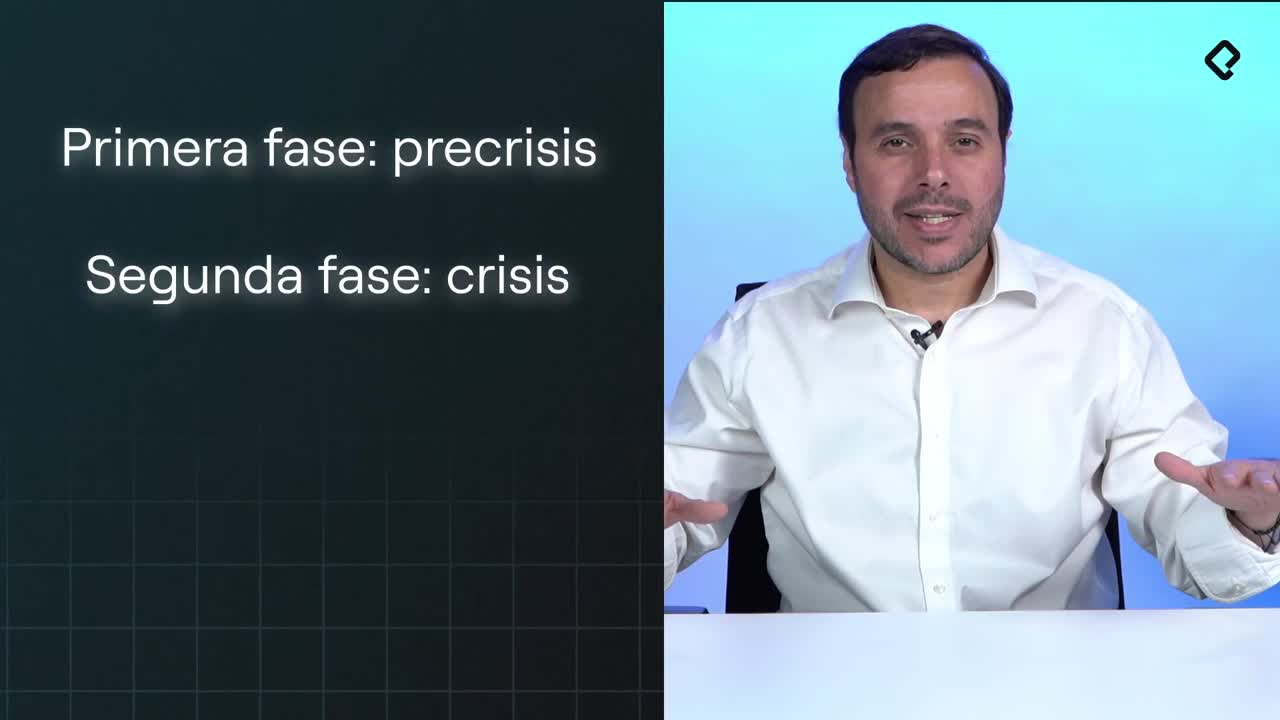
Every solid crisis response follows the same backbone, regardless of industry. The structure repeats itself: acknowledge, repair, and act.
- Acknowledge the error openly and credibly.
- Repair the damage and compensate the stakeholders affected.
- Define the concrete actions you will take afterward [01:00].
Imagine you work at a tech company and the system goes down. Your spokesperson takes the error, confirms the team is already working on it, and communicates that the system has been restored if that is the case. The wording changes by sector, but the sequence does not.
What is the first thing a company should do in a crisis? Acknowledge the mistake with empathy and clarity. Show that the company is already working on a solution, even if the full fix is not ready yet.
Why does empathy matter when assuming responsibility?
That first acknowledgment has to feel human. The tone needs to be empathetic, build confidence, and create a personal connection with the audience [01:40]. Closeness is the goal, but so is clarity: people need to know the company is actively solving the issue.
This applies across very different scenarios.
- System failures or cybersecurity breaches.
- Food safety issues like intoxication cases.
- Operational, legal, or ethical crises.
The common thread is credibility. If your acknowledgment does not feel real, the rest of the response collapses.
How should a company compensate affected users?
An apology without action is just a statement. Compensation is what turns words into trust.
The form depends on the situation. If unauthorized transfers happened, the money goes back. If a service failed, define how users will be made whole. If a delivery went wrong, the package gets resent or refunded at no extra cost [02:30]. The point is not only knowing what went wrong, but mapping exactly how each scenario gets compensated.
Then comes the third step: follow through. The actions you announced have to actually happen. Rebuilding a relationship of trust requires real steps, not just declarations.
How did SharePoint handle its zero day vulnerability?
A zero day vulnerability is a security flaw that was unknown until the moment it gets exploited or discovered. SharePoint faced one and responded with a clear crisis communication playbook: it acknowledged the issue and took concrete actions to fix it [03:30].
That is the textbook version of assume and act. No silence, no deflection, just a structured response paired with technical execution.
What is a zero day vulnerability? It is a security gap that was unknown until it surfaced, leaving no prior patch available. Companies must respond fast with acknowledgment and remediation.
Why is legal counsel essential before admitting a mistake?
Admitting an error sounds simple until you weigh the consequences. That is why crisis communication has to work hand in hand with the legal department.
You need to assume responsibility while staying protected, understanding the financial and legal implications of every word. The line between transparency and legal exposure is thin, and good legal advice keeps you on the right side of it. Depending on the type of error, the consequences can escalate quickly, so backing your statements with proper counsel is non negotiable.
What happens when a brand stays silent during a crisis?
Silence almost always backfires. Sometimes companies freeze out of fear, sometimes the executives were never alerted, and sometimes leadership believes that staying quiet will let the storm pass.
It will not. The internet has memory, and so do users [05:00]. Silence sends a message about your brand that is far deeper than the original problem: it tells your audience you are not willing to listen when something goes wrong.
There is a difference between strategic silence, which is timed and intentional, and avoidant silence, which is just hoping the issue disappears. Only the first one belongs in a crisis plan.
How does leadership shape the way mistakes are admitted?
Admitting errors is tied directly to the kind of leadership a brand has. A good leader makes the calls the situation demands, even when they are uncomfortable.
Sometimes the director in charge hesitates: fear, lack of internal support, or the awareness that company policy means the mistake could cost them their role. Still, modern companies need executives with what we can call reputational leadership, an ethical and behavioral standard that holds up under pressure.
The world belongs to the brave, and inside a company that translates into directors who can own a mistake, communicate it well, and lead the recovery. One of the most serious errors we see today in this tech driven era is hacking, and that is exactly what comes next: the hacking protocol.
What would you do first if your company faced a public mistake tomorrow? Share your approach in the comments.