How to Know When a Brand Crisis Is Over

Resumen

Knowing when a communication crisis is officially over takes more than silence on social media. You need clear signals that confirm trust restoration, internal improvement, and a brand narrative ready to move forward. This guide breaks down the recovery indicators, metrics, and common mistakes that define real post-crisis success.

When can you say a brand crisis is over?

The end of a crisis isn't marked by putting out the fire. It's marked by what happens after the noise fades.

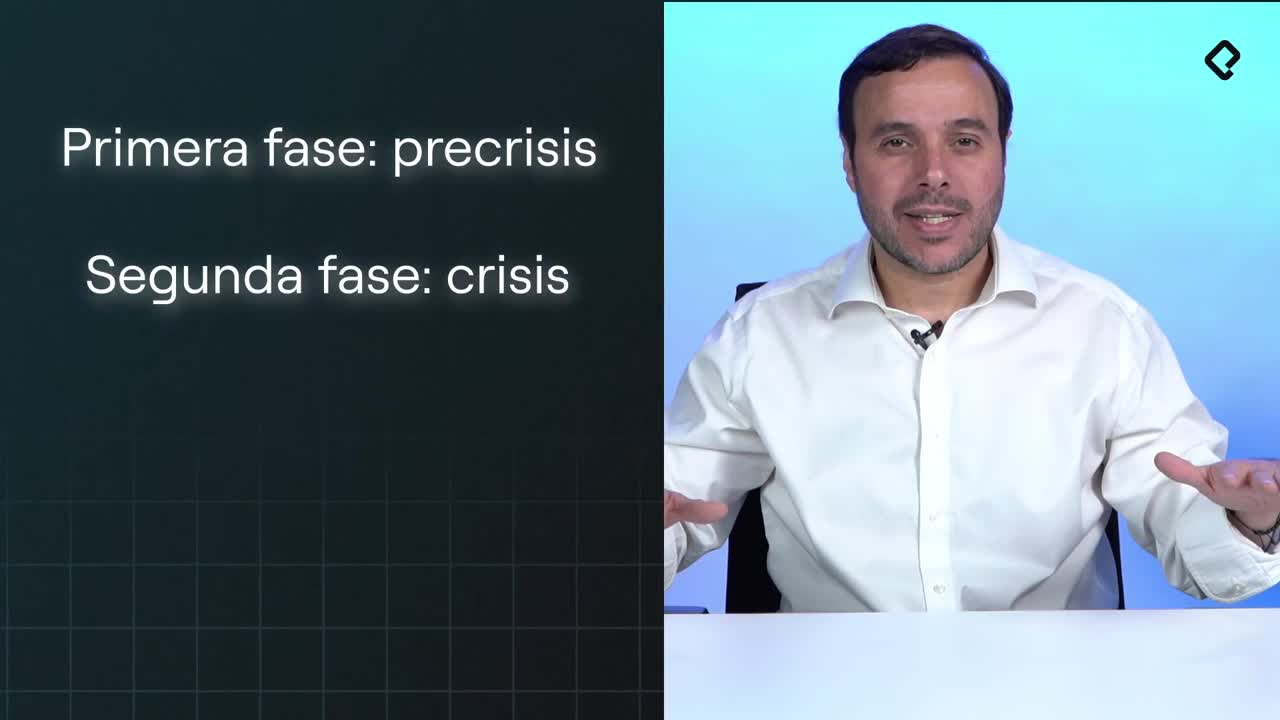
Three indicators tell you the crisis has truly closed [00:25]:

  • You've restored trust with internal and external stakeholders.
  • You've upgraded internal processes and updated your crisis manual.
  • You've gone through real institutional learning, and you're showing it.

And here's the part most brands miss: you have to keep your spokespeople active. The media noise drops, yes, but that doesn't mean your job is done [01:05]. The real signal of recovery is when conversations shift toward your new products, new initiatives, things that have nothing to do with what you just survived.

When is a crisis officially over? When trust is restored with stakeholders, internal processes have improved, and the public conversation has moved on to new brand actions instead of the original incident.

How do you shift from defensive to communicational tone?

During a crisis, your brand voice goes defensive. After it, you return to your normal communicational tone, but reinforced by what happened [01:45].

That shift shows up everywhere: words, language, creatives, content, formats. A clear example comes from an airline that faced a flight cancellation crisis [02:05]. Once it passed, the CEO recorded a video explaining how internal processes had improved, how compensation policies had changed, and what the company had learned and implemented across the organization. That's the tone shift in action: calm, confident, evidence based.

The trap to avoid is jumping straight back into commercial communication. The transition needs gradient, not a hard cut.

What recovery metrics should you track?

In digital communication, everything is measurable. So your recovery phase deserves the same rigor as your crisis phase [02:35].

Start by reusing the alert leveling document and the KPIs you set during the crisis. Many of those same indicators will now show you how the brand is evolving. You'll likely add new ones too, because you're running new actions with new expected outcomes.

Key things to monitor:

  • Sentiment analysis with positive, negative, and neutral indicators.
  • Comparative evolution between crisis-period data and current data.
  • Audience connection across channels and stakeholder groups.
  • New KPIs tied to recovery campaigns or product launches.

What is sentiment analysis in crisis recovery? It's the measurement of how positive, negative, or neutral mentions of your brand are after a crisis, helping you understand how perception is shifting in real time.

How do you build a recovery narrative?

Your recovery narrative is the story your brand tells once the crisis is behind you. It needs three pillars: we listened, we learned, we're acting [03:25].

Action has to be visible. Not promises, not vague statements. Concrete moves your audience can see and verify.

Which mistakes should you avoid in post-crisis communication?

Four mistakes can undo months of recovery work [03:40]:

  1. Returning to commercial communication abruptly, without a transition.
  2. Downplaying what happened by calling it an incident instead of a crisis.
  3. Using euphemisms that disrespect anyone affected.
  4. Ignoring that affected people deserve recognition reflected in actions, not just words.

Respect is the throughline. Every person impacted by the crisis should see themselves acknowledged in your narrative.

How do you measure brand reputation after a crisis?

Beyond comparing past and future indicators, you need to read the present moment of the brand [04:15]. How is it being perceived right now? What does its digital reputation look like today?

That reading often reveals new channels and new actions you need to take to reconnect with different stakeholder groups. Recovery isn't a return to the old normal. It's the construction of a stronger version of the brand.

Remember the Astronomer case mentioned in earlier sessions [04:45]? What did the brand actually do afterward? And what happened with the CEO? Drop your take in the comments: do you think the post-crisis handling was solid, or did communication simply disappear?