Looking at proven podcast success stories is one of the smartest moves before pitching your own show. Studying how interview, narrative, panel, daily, and dramatized formats reached the top reveals patterns you can apply to take your podcast to the next level, no matter the niche or stage you are in.
What makes interview podcasts win their niche?
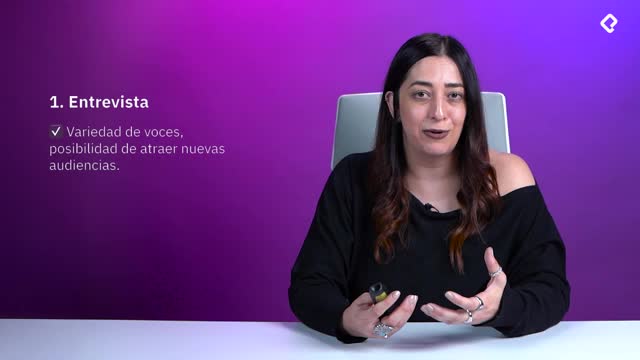
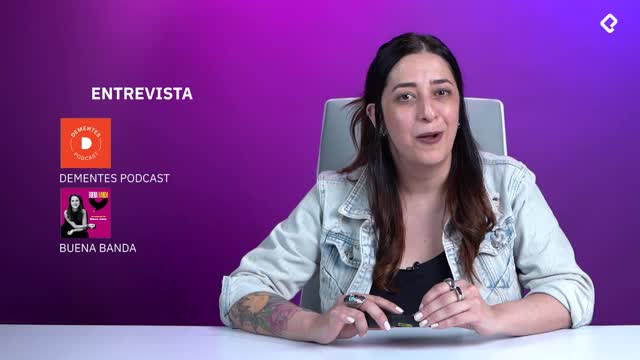
In the interview format, two shows stand out: Dementes Podcast and Buena Banda Podcast. Both built tightly defined niches and never broke their publishing rhythm.
Dementes curates conversations with leaders across industries, while Buena Banda zooms in on women in key leadership roles. The common thread is a sharp ICP (ideal consumer profile) designed from day one, which keeps the audience loyal and the editorial line clean.
What is an ICP in podcasting? It is the ideal consumer profile, the precise audience you design your show for from the first episode. A clear ICP guides topics, guests, and tone.
Both creators also use the podcast as a networking tool, turning guests into commercial allies. Buena Banda now runs a paid community with mentorships, discounts, and perks, and Dementes lets Diego Barrazas monetize through workshops, conferences, and talks beyond audio.
How does the narrative format build authority without ads?
The reference here is Ambulante, a sound storytelling project tied to the Festival Ambulante that became a respected editorial product in cultural and academic circles.
What pushed it to that level is non negotiable editorial quality: deep journalistic research, immersive sound production, and steady release cadence. Because the team refuses to sacrifice craft for brand integrations, the show attracts funding from cultural and academic institutions, proving narrative podcasts can scale on prestige rather than ads.
Why do panel podcasts create such loyal audiences?
The panel format, where hosts gather weekly to riff on different topics, lives or dies by personality. Two clear winners are La Cotorrisa and Las Alucines.
Both lean on comedy and, more importantly, on consistent host identity. The people behind the mic act like themselves every single episode, which builds deep engagement. You see the same pattern in La corneta extendida and Duques y campesinos, often led by stand up comedians.
How do panel shows monetize beyond audio?
This format crosses the audio barrier easily. Hosts tour, sell out comedy shows, and meet listeners face to face, which multiplies revenue streams.
There is one more factor that is easy to overlook: these shows read and respond to audience feedback. Listeners feel present in every episode, and that closeness is what turns casual fans into a community.
Why is host consistency so important in a panel podcast? Because audiences follow people, not topics. When hosts stay authentic episode after episode, listeners build a parasocial bond that no algorithm can replace.
What makes a daily podcast a daily habit?
Daily podcasts are short, usually 10 to 15 minutes, informative, and structurally rigid. Two strong examples are the daily by Expansión and the daily by Diana Uribe.
The formula is simple but demanding:
- Absolute consistency in publishing time and length.
- Uniform structure across every episode.
- A clear job to be done: keeping the listener informed in a fixed time slot.
- No extra effort required from the audience to feel up to date.
Expansión became a news reference precisely because it nails that promise. If your project leans toward daily news or briefings, these two shows are the benchmark to study.
How do dramatized podcasts stand out in fiction?
Dramatized formats rely on layered sound design and fictional storytelling. Two references worth your time are Leyendas legendarias and Fausto.
Leyendas legendarias mixes humor, horror, and pop culture, and its hosts now tour and charge for live events thanks to massive engagement. Fausto is a fiction series with immersive atmospheres and impeccable post production, and it attracted brand partnerships by twisting a saturated genre.
How did Fausto reinvent true crime in Latin America?
Fausto took true crime, one of the most consumed categories in Latin America and globally, and reframed it through regional stories. That editorial angle opened a clear opportunity window where most shows simply copy the US formula.
If you are planning a fiction podcast, listen to both: the production complexity sets the bar for how this category should sound.
What is the real formula behind these podcast case studies?
There is no single recipe. Some projects grow by transcending audio through events, communities, workshops, and tours. Others grow by doubling down on audio craft until the sound itself becomes the moat.
The shared traits across every format are clear: a defined niche, publishing consistency, authentic identity, and a smart read of what the audience actually needs. Pick the lever that fits your project and start building from there.
Which of these shows feels closest to the podcast you want to build? Drop your pick in the comments and tell me why.