Publishing a podcast is just the beginning. To stand out in a saturated digital landscape, you need a clear podcast SEO strategy: titles, descriptions, keywords and transcripts that help listeners and search engines find your show. This guide walks you through the practical moves that turn a good episode into a discoverable one, with expert tips included.
Why do keywords matter in your podcast feed?
Keywords are the bridge between your content and the audience searching for it. They connect your editorial identity with the topics people actually type into search bars or ask AI assistants.
Starting from your brand manual and editorial index, you should be able to spot the words that bring your show closer to high interest searches. When you write copy for your podcast title and for each episode, aim to include two or three keywords within the first 150 characters [01:12]. Those first characters carry most of the weight for discovery.
Your title and description should make three things obvious:
- The value promise of your podcast.
- The specific topic of interest you are offering.
- The context in which you are delivering that information.
What are podcast keywords? They are the words your target audience uses to search for topics you cover. Placing them naturally in your title and first 150 characters helps search engines and listeners find your episodes faster.
How do I write titles and descriptions that convert?
Readers decide in seconds. The value proposition has to land in the first lines of your description, before anyone scrolls.
A few moves that consistently work:
- Keep the title under 60 characters and make it descriptive.
- Write both a short and a long description, adapted to each platform.
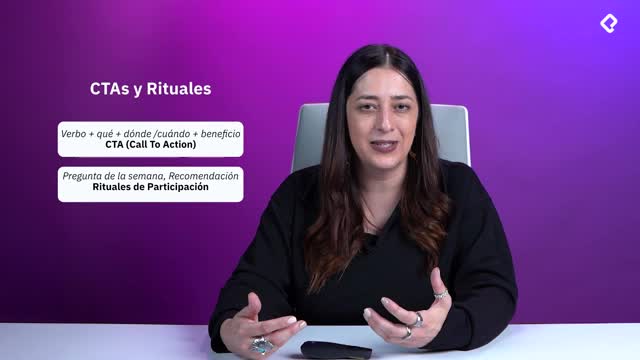
- Add a clear call to action telling listeners what to do next [02:44].
- Carry the same SEO logic into social posts, newsletters and any extra promotional copy.
Not every platform behaves the same. Publishing on YouTube is not identical to publishing on Apple Podcasts, so adjust metadata, category, author and images for each one.
Why should I add transcripts to every episode?
Transcripts used to feel optional. Today they are close to mandatory because streaming platforms and AI search engines read text far better than audio [03:32].
Three reasons to always include them:
- They improve discovery and search indexing.
- They make your show accessible to people who cannot listen.
- They give you a head start on subtitled video clips for social media, which are now a baseline requirement.
A bit of work upfront saves hours later when you move into clipping and promotion.
How does Inu approach SEO for content projects?
Inu has spent nearly two decades building content strategies for brands across arts, culture, technology and science [05:01]. Her framework rests on three steps: research, workflow and optimization.
Search Engine Optimization is, in her words, the cherry on top of work you have already done. It tells algorithms and people who you are and what you talk about.
How do I research keywords with AI?
Start by creating a project inside your AI tool instead of relying on isolated chats. In ChatGPT, for example, open a new project on the left panel and upload every relevant file you have: audience notes, objectives, niche, themes [06:21]. The model will remember context across conversations.
Then build a benchmark, a base of comparison against three to five brands in your sector. They do not have to be podcasts. Focus on:
- Recurring topics and angles.
- Language and tone.
- Visual treatment of titles and thumbnails.
In one example, Inu analyzed YouTube thumbnails for a feminine content niche and found short titles inside the image, dramatic facial expressions and small text [07:38]. She also asked ChatGPT for the five most popular podcasts on feminine topics in Latin America, and used Claude to extract core SEO terms like salud mental, emprendimiento femenino and feminismo.
What is a benchmark in podcast SEO? It is a comparison of three to five similar projects to identify shared topics, language and visual patterns you can adapt for your own show.
How do I build a repeatable SEO workflow?
By the time you reach SEO, your episode should be almost ready. The goal now is consistency across episodes [09:11].
A workable checklist for every release:
- Optimize the title to 60 characters with clear keywords.
- Write a long description and a short one.
- Publish a transcript on your site if not in the player.
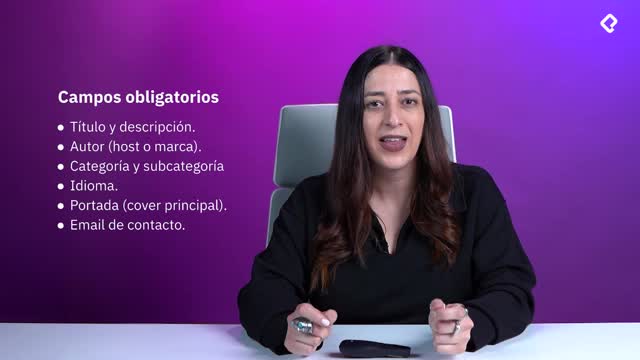
- Fill in metadata: category, author, images, timestamps.
When prompting AI, give it a role. Tell it: you are my SEO strategist and I need you to complete the following tasks. Vague prompts return vague answers. In one test, Inu asked ChatGPT for title suggestions for an episode about Frida Kahlo, then requested a full character count and confirmation that every researched keyword was included [10:52]. The second pass was much closer to publishable.
How do I scale my podcast SEO over time?
The third move is optimizing and scaling. Track what worked in your first SEO ready episode and refine the prompt or process for the next one [11:38]. Precise instructions to the AI, plus your own discoveries, compound over time.
Keep researching, add your own ideas, and feed every insight back into your project. Now it is your turn: build your titles, descriptions, SEO copy and cover art, and tell me in the comments how it went and what questions came up.