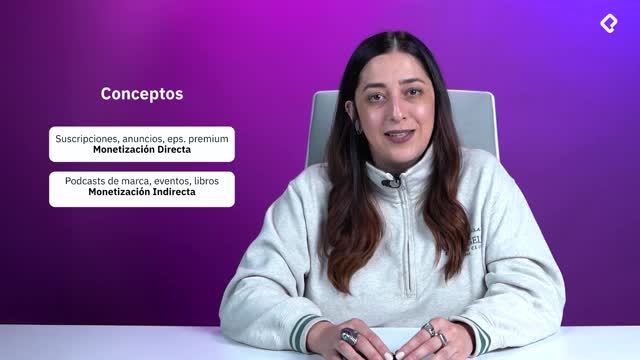
Indirect monetization opens a different door for podcasters: instead of selling ad spots, you build recurring revenue through subscriptions, stores and affiliate systems. If you want to turn loyal listeners into paying supporters, this is where the real long term business of your show begins.
How do podcast subscriptions work and which platform should you choose?
Subscriptions are the most direct way to convert audience loyalty into recurring income. Listeners pay a monthly or annual fee in exchange for premium episodes, private content, special events or exclusive products. The exact perks depend on the commercial structure of your project, but the logic is always the same: extra value behind a paywall.
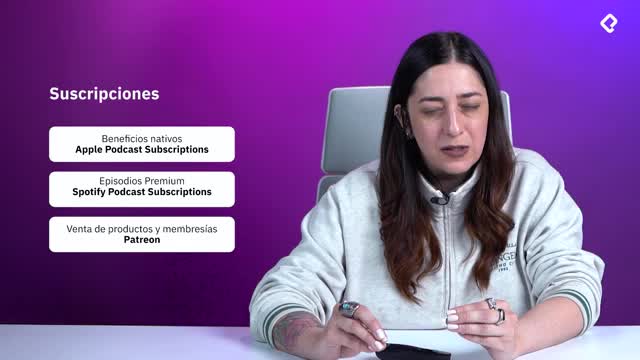
Three platforms dominate this space, and each one fits a different type of creator.
- Apple Podcasts: ideal if most of your audience listens on iOS. The integration feels native and the payment flow is frictionless for Apple users.
- Spotify Podcasts: the right pick when your main reach happens on Spotify or when you plan to publish private episodes for paying subscribers.
- Patreon: the best fit when your extra value lives outside audio, like polls, signed merch, closer interactions with your community or tiered membership perks.
Each platform charges a percentage fee that varies by country, so review the commercial terms before committing. Pick the one that matches where your listeners actually are, not where you wish they were.
¿Which subscription platform is best for a podcast? Apple Podcasts works best for iOS heavy audiences, Spotify for mass reach and private episodes, and Patreon for community perks and merch. Choose based on listener data, not preference.
How can you turn your podcast into a store or merch platform?
Some creators go beyond subscriptions and build alternative platforms that work as stores. A common move is launching a website that hosts every episode, transcripts and editorial materials, while also selling merch, event tickets or community access.
This route makes sense once your show has matured and reached multiple platforms, because running a store demands investment, ongoing care and often a specialized team. You can build it as a standalone website, lean on Patreon, or use the in platform sales options that Apple and Spotify offer. Compare the perks of each before deciding where to set up shop.
What expert advice should guide your podcast monetization plan?
René Portanel, marketing and audience development specialist with over 15 years in creative industries and startups, shared five lessons after producing more than 1,000 podcast episodes across formats like chatcast, reportage, audioficciones and audiobooks. These tips reframe how you should think about turning your show into a business.
How do you avoid bias when analyzing your podcast?
Objectivity is the foundation of a solid benchmarking and monetization plan, and two biases sabotage it constantly.
- Optimism bias: you ignore data that contradicts your premise just to keep your original goal alive. Stay open to changing direction when the numbers ask for it.
- Survivorship bias: you only study successful projects and skip the ones that failed. Failed podcasts often teach more than the winners, especially about why audiences or business models collapsed.
Why does planning for growth beat chasing fast monetization?
Every project needs a maturation period. Expecting sponsors or advertisers in your first weeks or first episodes is a recipe for frustration. Build that ramp up phase into your monetization plan, because that is precisely when you grow audience and your content reaches its real voice.
There is also a trap worth naming clearly: what you give for free at the start is hard to charge for later. Once your audience is used to free content, converting them into paying listeners costs almost as much effort as starting from zero. Decide upfront which content stays free and which one is built specifically for the paid tier.
¿Can you start charging for content that used to be free? Technically yes, but in practice you lose most of your audience in the transition. Plan paid content as a separate offer from day one.
What metrics actually convince sponsors and advertisers?
Follower counts and play numbers are misleading early on, because they tend to be too low to compete with bigger shows. The metric that moves the needle is call to action performance: how effectively your message converts listeners into buyers.
Measure it with trackable assets:
- Custom links shared in episodes and show notes.
- Promotional codes tied to each sponsor.
- Click counts and product purchases attributed to your audience.
With those numbers in hand, you walk into sponsor conversations with something tangible: real conversion power, not vanity metrics.
Why should you build plan A, plan B and plan C?
Relying on a single monetization scenario is risky. Design a plan A, plan B and plan C, and when several work, run them simultaneously. Multiple revenue streams keep the project alive when one channel underperforms and create the conditions for sustained growth.
If you are about to launch a subscription tier, drop a comment with the platform you picked and why you chose it.