Monetizing a podcast starts with understanding how ad insertions work. Pre-roll, mid-roll and post-roll ads are the most common way to turn your show into revenue, and each one has trade-offs that affect both your earnings and your listener experience. If you produce, host or sell podcast advertising, knowing where to place each format and how to use dynamic ad insertion will define how scalable your project becomes.
What are pre-roll, mid-roll and post-roll ads in a podcast?
These are commercial insertions placed at the beginning, middle or end of an episode. Each position behaves differently in terms of reach and listener attention.
- Pre-roll: lives in the first 30 seconds of the episode. You catch everyone who just hit play, but many listeners have the habit of skipping intros, so being first does not guarantee they will actually hear the ad.
- Mid-roll: drops right when the audience is hooked. You almost guarantee a 100% listen rate, but it demands such organic editorial integration that the ad does not break the climax of the conversation. This is where the art of commercial storytelling really shows.
- Post-roll: sits at the end. Reach is lower, especially on shows with weak episode completion rates, but it works great for bonuses or as a small plus inside a larger commercial package.
What is the best ad spot in a podcast? Mid-roll usually wins because the audience is already engaged. Pre-roll has volume but high skip rates, and post-roll only reaches listeners who finish the episode.
Which podcast ad formats exist by duration?
Inside pre, mid and post-roll, ads are also classified by length. The longer and more crafted the ad, the higher the price tag.
- Billboard: up to 15 seconds. The classic "Presented by" plus the brand name, almost always used as a pre-roll.
- Standard: around 30 seconds. The most common commercial insertion across the industry.
- Premium: up to 60 seconds, and it costs more. These usually carry the heaviest storytelling work and the most organic integration so the audience does not feel like it is suffering through a commercial.
The value of these formats comes from production craft. A premium ad is not just longer, it is editorially built so it blends with your show.
How does dynamic ad insertion work in podcasting?
Think about how Google Ads places banners on a website you visit. The site owner does not create the ad, but Google drops it based on audience and segmentation, and the publisher earns from it. Podcast dynamic ad insertion works the same way.
You upload your episode to a hosting platform and you place markers indicating where pre-roll, mid-roll or post-roll ads can go. The platform then injects ads that match your audience and your topic into those slots, automatically.
What is dynamic ad insertion in a podcast? It is a system where your hosting platform automatically places targeted ads into the markers you defined, so new and old episodes keep generating revenue without manual selling.
Why dynamic insertion makes a podcast scalable
This model has clear advantages if you want a sustainable show without running a sales team:
- It works on back catalog episodes, not only new ones. Anyone discovering your show in the future will keep hearing fresh ads.
- Hosting platforms run specific targeting so ads connect with your audience.
- It is flexible and low effort, you do not have to chase sponsors every week.
You do, however, need to segment your content well so the ads served are actually relevant for your listeners. Otherwise the value drops fast for both sides.
How should I place ad markers without breaking engagement?
Placement is where most shows lose listeners. A few rules of thumb keep your audio quality and pacing intact.
- Be careful where you drop pre, mid and post-roll markers. Do not interrupt a climax or a moment that breaks the rhythm with your audience.
- Do not abuse the number of commercial integrations per episode. More ads does not mean more revenue if listeners churn.
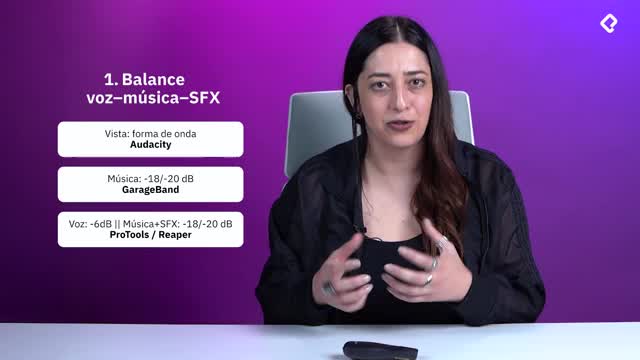
- Pay attention to which ads are being served dynamically, and run loudness testing so the audio level of every ad matches the level of your show. If you remember the sound design module, loudness refers to those audio levels, and keeping them consistent protects the quality of your podcast.
Direct monetization through ads is only one side of the business. There are also indirect formats that open up extra revenue streams, and that is the next layer worth exploring. What ad format would you test first on your show?