Building Surveys With AI Prompts
Contenido del curso

Análisis competitivo

Investigación del usuario
Trabajo colaborativo
Tendencias y valor

Implementación y crecimiento
Building Surveys With AI Prompts
Resumen
Designing a survey is one of the fastest ways to understand lifestyles and how they connect with your market. Here you will learn how to build a survey from scratch, when to use a quantitative or qualitative approach, and how to use AI to generate solid questions aligned with your research goals. This is for entrepreneurs, marketers and researchers who want real insights, not noise.
What is the difference between a quantitative and a qualitative survey?
The choice depends on what you want to measure and how deep you need to go.
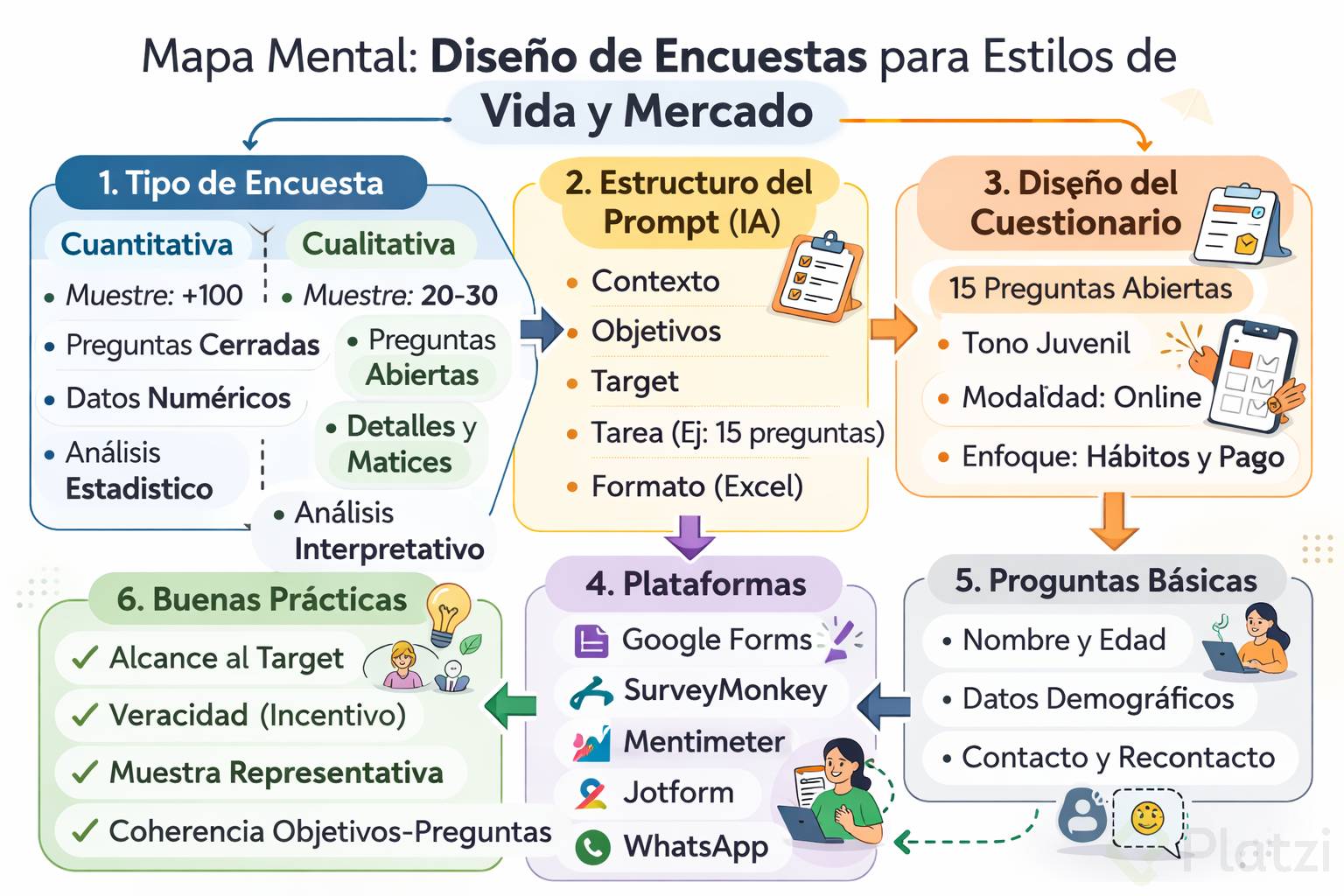
A quantitative survey works with a representative sample of more than 100 people, depending on the scale of your business. It looks for measurement, hard numbers and the kind of data that helps you size your SOM or define your target market. Questions are closed or multiple choice, and the analysis is statistical.
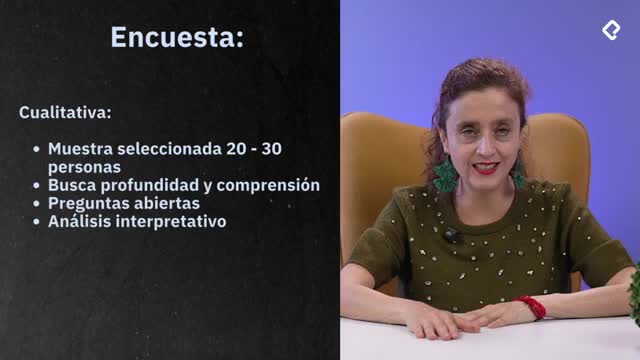
A qualitative survey plays in another league. The accepted sample sits between 20 and 30 people, because that range is enough to spot patterns and interesting exceptions without creating noise. Questions are open ended, so people can express what goes beyond the obvious, and the analysis is interpretative, with some subjectivity from whoever connects the dots.
What sample size do I need for a qualitative survey? Between 20 and 30 people. That range lets you detect repeated patterns and meaningful exceptions without confusion.
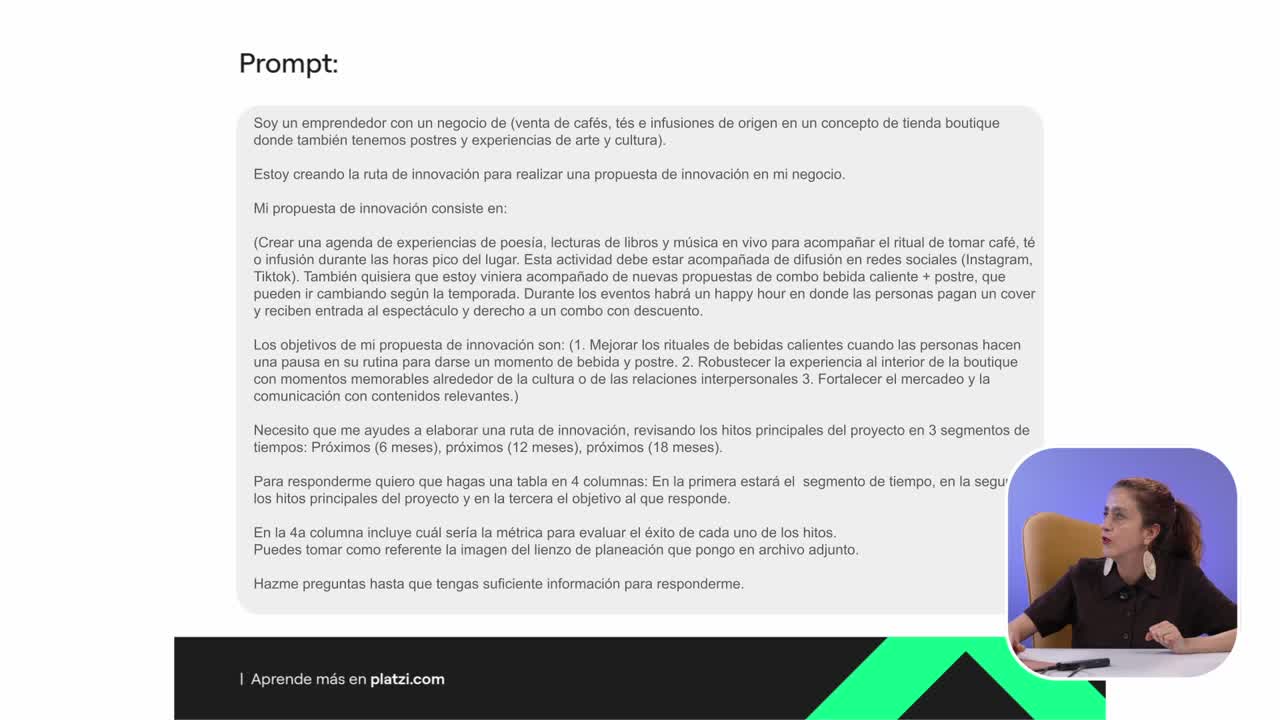
How do I write a prompt to build a survey with ChatGPT?
A good prompt is the difference between generic questions and a survey that actually serves your objectives.
The structure has five parts you should always include:
- Research context, explaining what you are investigating and why.
- Survey objectives, written rigorously because they define where you want to land.
- Target segment, the same one you defined in your user research.
- Specific task, with the type and number of questions you need.
- Delivery format, ideally Excel so you can move it to another platform later.
Close the prompt with a key line: "ask me questions until you have enough information to answer my request". This forces the AI to cover every angle and raises the quality of the output.
A practical tip: write the prompt in a Word or text file first. If you draft it directly in ChatGPT and hit enter by accident, you lose the full instruction.
What should the objectives of a survey look like?
Objectives are the compass of the whole exercise. In the example shown, the research focused on the consumption of hot beverages, with goals around rituals and experience. If you are not sure how to phrase them, you can ask ChatGPT to help you formulate objectives based on the demographic data and benchmarking you already gathered.
How do I turn the AI output into a real survey?
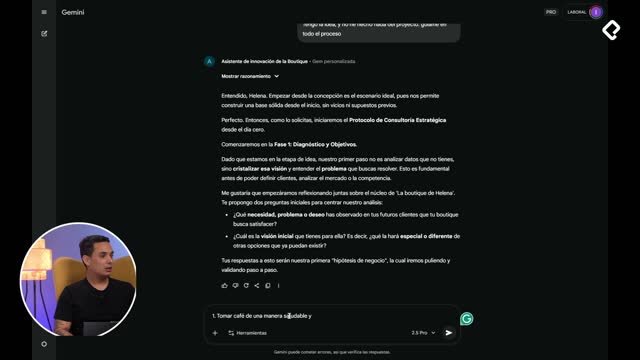
Once you paste the prompt into ChatGPT, Copilot, Gemini or Claude, the model will ask follow up questions to refine the survey. You answer each one based on your project.
In the example, the answers looked like this:
- Tone: youthful.
- Format: online, not in person.
- Question type: only open ended.
- Focus: consumption habits.
- Include willingness to pay: yes.
- Style: both introspective and practical.
- Use answers to segment profiles: no, profiles will be built later.
- Excel structure: open questions in a single file.
- References to the brand: neutral.
The AI then delivers an Excel file with the questions and the objective each one serves. Review it carefully. Decide which questions stay, which need a tweak and which you want to rewrite. Never let the AI do the full job without your editorial filter.
Which platforms can I use to launch a survey? Google Forms, SurveyMonkey, Mentimeter, Jotform or even WhatsApp for quick question and answer flows. The right one depends on your objectives.
What basic questions should every survey include?
Beyond the thematic questions, add a short demographic block so you can give context and follow up later:
- Name and age.
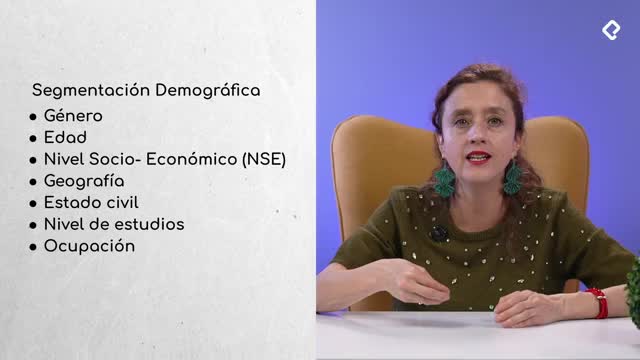
- Socioeconomic level or any relevant special characteristic.
- Contact details and explicit permission to be recontacted for a second stage or interview.
How do I make sure my survey gives real insights?
Three practical tips make the difference between a survey that informs and one that misleads.
First, secure reach to your target. If you or your team do not have direct contact with that audience, find allies who can connect you. Without reach, the answers will not reflect reality.
Second, make sure the answers are genuine. Sometimes a small incentive, a gift or a reward helps people respond honestly and with attention. Use it when it protects the authenticity of the data.
Third, keep the sample representative of the same target. Mixing very different ages or socioeconomic levels in the same bucket produces confusing results and weak conclusions.
How many open questions should a qualitative survey have? Around 15 open questions is a balanced number to cover habits, motivations and willingness to pay without exhausting the respondent.
What is the first objective you would write for your own survey? Share it in the comments and let's refine it together.