Contenido del curso
Desbloqueos creativos
Convergencia: Técnicas de generación de ideas
- 8
Técnicas de generación de ideas para resolver problemas creativos
00:40 min - 9
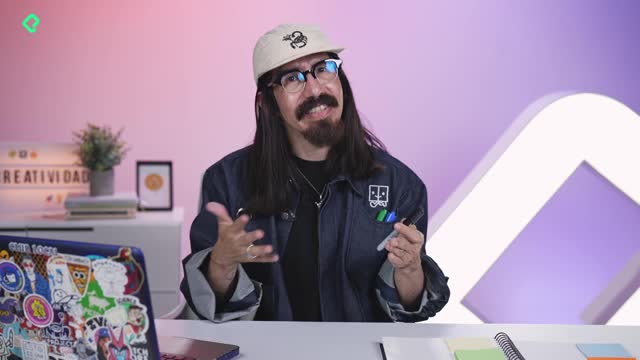
Cubing Method for Better Brainstorming
07:21 min - 10
Técnica Crazy 8s
03:35 min - 11
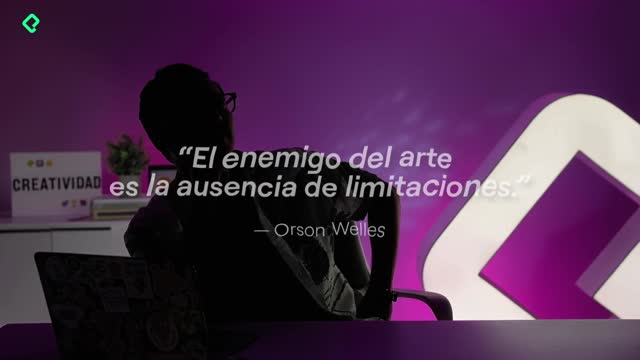
Creativity Grows With Fewer Options
02:31 min - 12
Solving Problems by Thinking Backwards
03:01 min - 13
Five AI Prompts to Beat Creative Blocks
07:57 min - 14

Six Thinking Hats Method Explained
02:22 min
Incubación
Storytelling: cómo presentar tu idea
Sostenibilidad Creativa: Mantener el Hábito
Creativity Is a Tool Anyone Can Learn
Resumen
Have you ever caught yourself saying "I'm just not a creative person"? Here's the good news: creativity is not a talent, it's a tool, and like any tool, you can learn it, sharpen it and use it daily, no matter what you do for a living.
This idea sits at the core of a practical course designed to help you think better, solve problems and communicate your ideas with clarity. You don't need to draw, paint or call yourself an artist to benefit from it.
Why is creativity a skill and not a talent?
The usual myth says creative people are born that way. The reality is different. When you treat creativity as a practical tool, you stop waiting for inspiration and start applying methods that anyone can repeat.
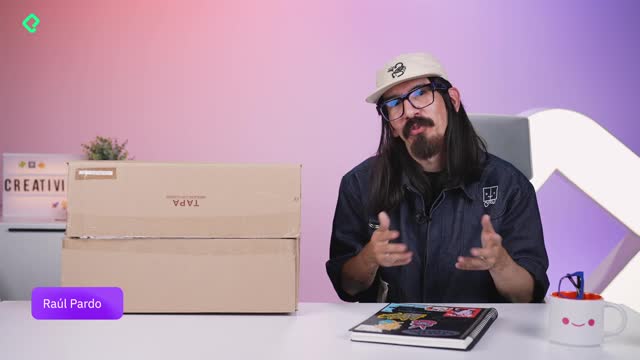
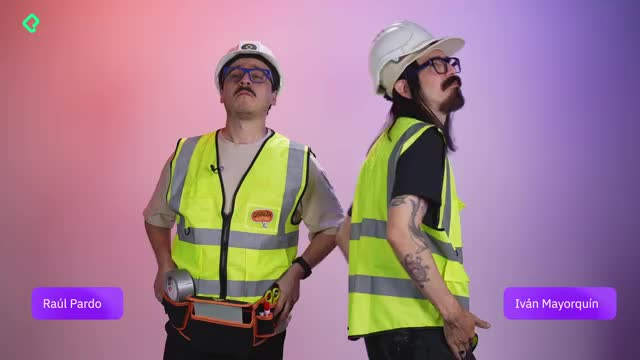
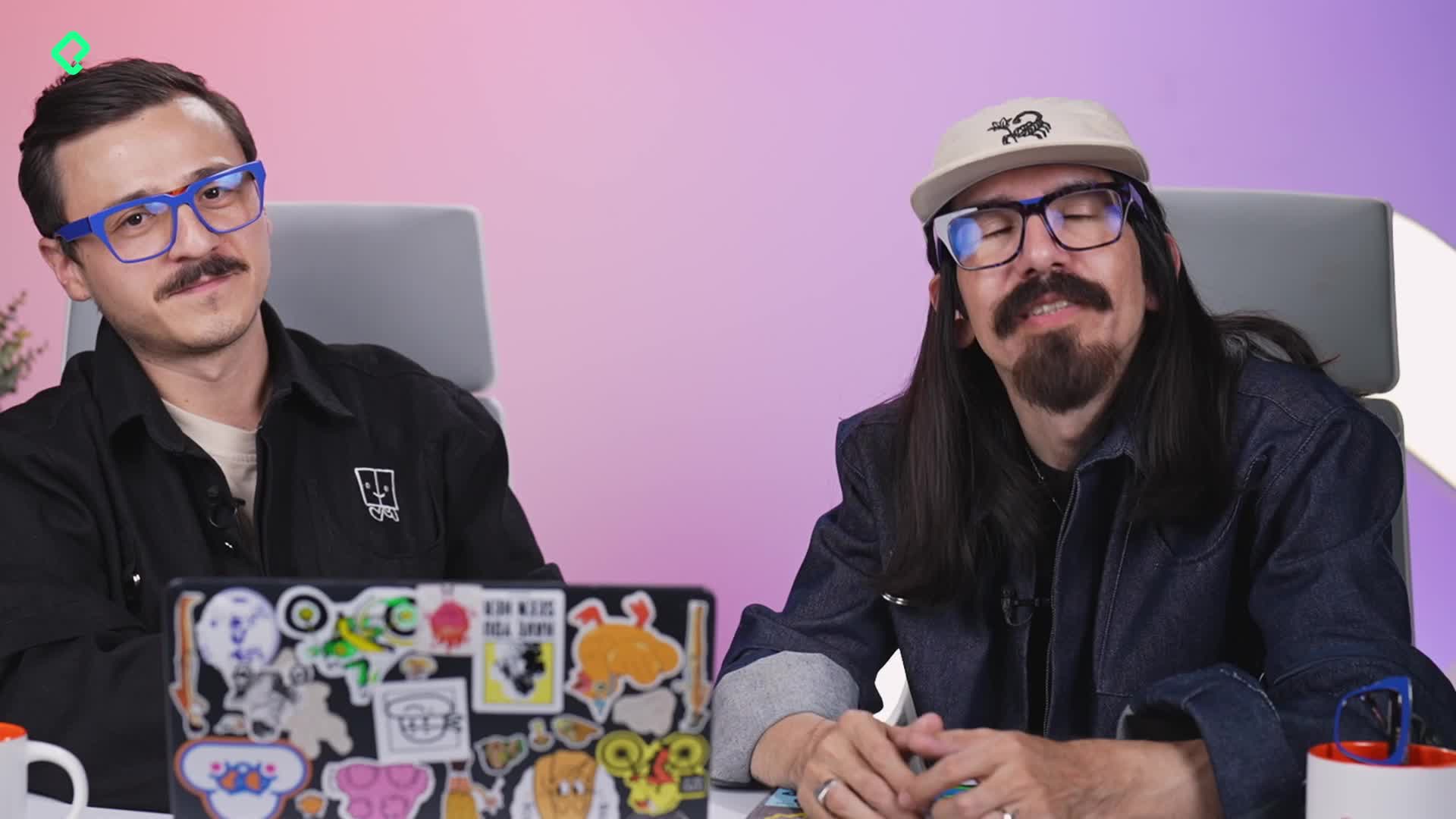
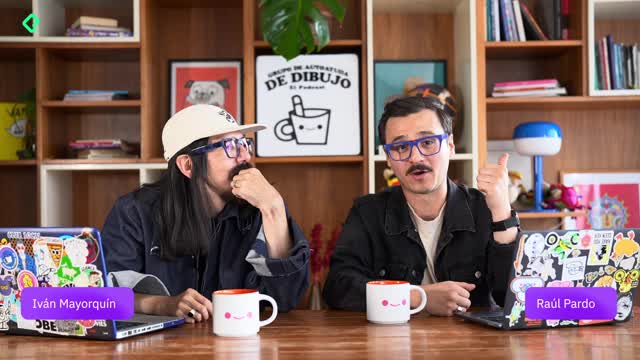
Raúl Pardo and Iván Urquijo, from Grupo de Autoayuda de Dibujo, have spent more than 10 years working on creative projects with people from very different backgrounds. That experience shows something simple: the people who deliver good ideas are the ones who practice, not the ones who wait.
What does it mean that creativity is a tool? It means you can learn it, train it and apply it on demand. You use methods to think, solve and communicate, instead of relying on a sudden spark of inspiration.
What will you learn in this creative thinking course?
The focus is hands-on. You'll learn techniques to think more clearly, untangle problems and present your ideas so other people actually understand them. The promise is concrete: turn creativity into something you can use at work, in study or in any personal project.
A central piece of the training is learning how to break down a brief, the document or request that defines what a project needs. Many people freeze in front of a blank brief because they don't know where to start. Here you get a step by step path to move from a vague request to a finished result.
You'll work on three core abilities:
- Thinking better, using structured methods instead of guessing.
- Solving problems by approaching them as creative challenges.
- Communicating ideas so they land clearly with your audience or client.
Do I need to know how to draw to take a creativity course? No. Drawing is not a requirement. The course gives you creative tools that work for any kind of project, even if you have never picked up a pencil.
Who is this practical creativity training for?
It's built for any profile. Whether you work in marketing, engineering, education, product, content or you are simply trying to improve how you tackle daily challenges, the methods apply. The teachers have worked con todo tipo de perfil, and the exercises are designed so the tools translate across industries.
The shift you can expect is practical: your work becomes easier, more efficient and a lot more enjoyable. That last part matters. When you have a method, the pressure of the blank page disappears and the process starts to feel like play instead of struggle.
How do I start a project when I feel blocked? Begin by breaking down the brief into small parts: what is needed, for whom, and why. With that map, you stop staring at the problem and start moving through it.
How to apply these creative tools step by step
The approach is guided. You won't be left alone with a list of abstract concepts. You'll take a project, lower it into a workable brief and follow a path until you complete it. That structure is what turns theory into a real output you can show.
And here's the interesting part: once you internalize the method, you can repeat it. The next brief feels less intimidating, the next problem looks more like a puzzle than a wall, and the next idea finds a clearer way out of your head and into the world.
If you've ever felt stuck because you thought creativity wasn't for you, this is your invitation to test the opposite. Share in the comments what kind of project you'd like to tackle with these tools.