Contenido del curso



Desbloqueos creativos


Convergencia: Técnicas de generación de ideas
- 8
Técnicas de generación de ideas para resolver problemas creativos
00:40 min - 9

Cubing Method for Better Brainstorming
07:21 min - 10

Técnica Crazy 8s
03:35 min - 11
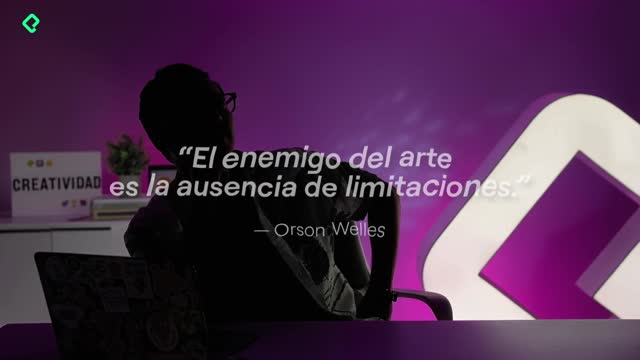
Creativity Grows With Fewer Options
02:31 min - 12
Solving Problems by Thinking Backwards
03:01 min - 13

Five AI Prompts to Beat Creative Blocks
07:57 min - 14

Six Thinking Hats Method Explained
02:22 min
Incubación

Storytelling: cómo presentar tu idea



Sostenibilidad Creativa: Mantener el Hábito

Why Doing Nothing Boosts Creativity
Resumen
The creative process has a hidden gear most people skip: incubation, the moment you step away from a problem so your brain can keep solving it in the background. If you work in design, writing, marketing or any creative field, understanding this stage can change how you approach every project.
What are the four stages of the creative process?
In 1926, Graham Wallas mapped creativity into four steps that still hold up today. They give you a clear path from blank page to finished idea.
- Investigation: you gather information about what you want to discover or solve.
- Incubation: you let the idea rest and germinate.
- Illumination: the eureka moment, the flash when the idea clicks.
- Verification: you test and evaluate whether the idea actually works to keep developing it [00:09].
Each stage matters, but stage two is the one most creators underestimate, and that is exactly where the magic happens.
Why is incubation the most underrated creative stage?
Incubation is when you consciously walk away from the problem, yet your brain keeps working on it underneath. New connections start to germinate in the unconscious while you do something else entirely [00:35].
In today's production culture, stopping feels unproductive. It looks like you are not moving toward the goal. The truth is the opposite: pausing is part of the work.
When you rest, the analytical part of your brain takes a small break and the creative part takes the wheel. That shift lets you see the problem with fresh eyes and explore paths you had not walked before [01:14].
What is incubation in creativity? It is the stage where you step away from a problem on purpose so your unconscious mind can form new connections. You are not being lazy, you are letting the creative side of your brain take over.
How do you actually do nothing on purpose?
The trick is that doing nothing is harder than it sounds. People want to fill the silence with something productive, but the whole point is to break the loop [02:00].
Your version of nothing can be lying in bed, watching TV, eating, walking or playing videogames. The only rule is simple: do not work on your project during this break [02:34].
If you need a nudge, here are some recommendations pulled straight from the class to feed your creativity while you rest.
Books to read during your creative pause
These three picks work for any creative discipline and they fit perfectly into an incubation break.
- Steal Like an Artist by Austin Kleon, full of value no matter what creative field you are in [02:52].
- A book by the Roots drummer, who is also a film director and art expert, packed with stories about making art and creativity [03:08].
- Proceso creativo by Eduardo Sáiz, a clear, practical and useful walkthrough of the creative process [03:26].
After reading, give yourself permission to close the book without forcing any insight. The idea will surface later.
Documentaries and series that inspire creative thinking
Visual stories are powerful during incubation because they activate different mental pathways than your daily work.
- Idea Man, a documentary about Jim Henson, creator of the Muppets and an endlessly inventive mind [03:45].
- Beautiful Losers, following a group of West Coast visual artists who built community and became an unstoppable creative force [04:00].
- The Pixar Story by Leslie Iwerks, with testimonials about creative processes and the company's journey [04:20].
- Painting with John, where painter John Lurie drops reflections on art, life and creativity in every episode [04:38].
- The Toys That Made Us, telling the story behind iconic toys like Lego, He-Man and ponies, and their creative processes [04:51].
- Abstract: The Art of Design, where each episode dives into a different creative discipline, from interior design to fashion and architecture [05:13].
How long should a creative break last? Around 30 minutes is enough to refresh your mind without losing the thread of what you are working on. Long enough to disconnect, short enough to come back sharp.
How can you turn incubation into action?
The goal of stepping away is to come back with something. Anything you read, watch, listen to or do during the break can spark a connection with your current project.
Pay attention to the small details that catch your eye. A line in a book, a scene in a documentary, a conversation on a walk. Those tiny inputs are often the seeds of your next breakthrough.
Does doing nothing really help creativity? Yes. When the analytical brain rests, the creative brain forms new associations. Stepping away is not avoiding work, it is part of the work.
Drop in the comments what you read, watched or listened to during your incubation break, and how it sparked an idea for the project you are building right now.