Contenido del curso




Desbloqueos creativos



Convergencia: Técnicas de generación de ideas
- 8

Técnicas de generación de ideas para resolver problemas creativos
00:40 min - 9

Cubing Method for Better Brainstorming
07:21 min - 10

Técnica Crazy 8s
03:35 min - 11

Creativity Grows With Fewer Options
02:31 min - 12

Solving Problems by Thinking Backwards
Viendo ahora - 13

Five AI Prompts to Beat Creative Blocks
07:57 min - 14

Six Thinking Hats Method Explained
02:22 min
Incubación

Storytelling: cómo presentar tu idea



Sostenibilidad Creativa: Mantener el Hábito


Solving Problems by Thinking Backwards
Resumen
What if imagining the worst possible answer to a problem could lead you to the best one? That is exactly what the reverse thinking technique offers. It sounds absurd, and that absurdity is where its power lives. By flipping a challenge upside down, you push your brain into territory it would never explore through logic alone.
What is the reverse thinking technique and why does it work?
The method asks you to deliberately design the worst version of a solution, then mirror those bad ideas back into useful ones. The goal is to move your current thinking somewhere far away, and no place is farther than the opposite side.
What is reverse thinking? A creative problem solving method where you invert your problem, brainstorm intentionally bad solutions, and then flip those answers into practical ones.
The technique unlocks ideas that linear brainstorming usually hides. When you stop trying to be smart and start trying to be evil, your team relaxes, laughs, and produces material you can actually work with.
How do you apply reverse thinking step by step?
The process moves through four stages, and each one builds on the previous. Think of it like a controlled detour: you leave the highway on purpose so you can rejoin it with a fresh view.
Step one: define the problem clearly
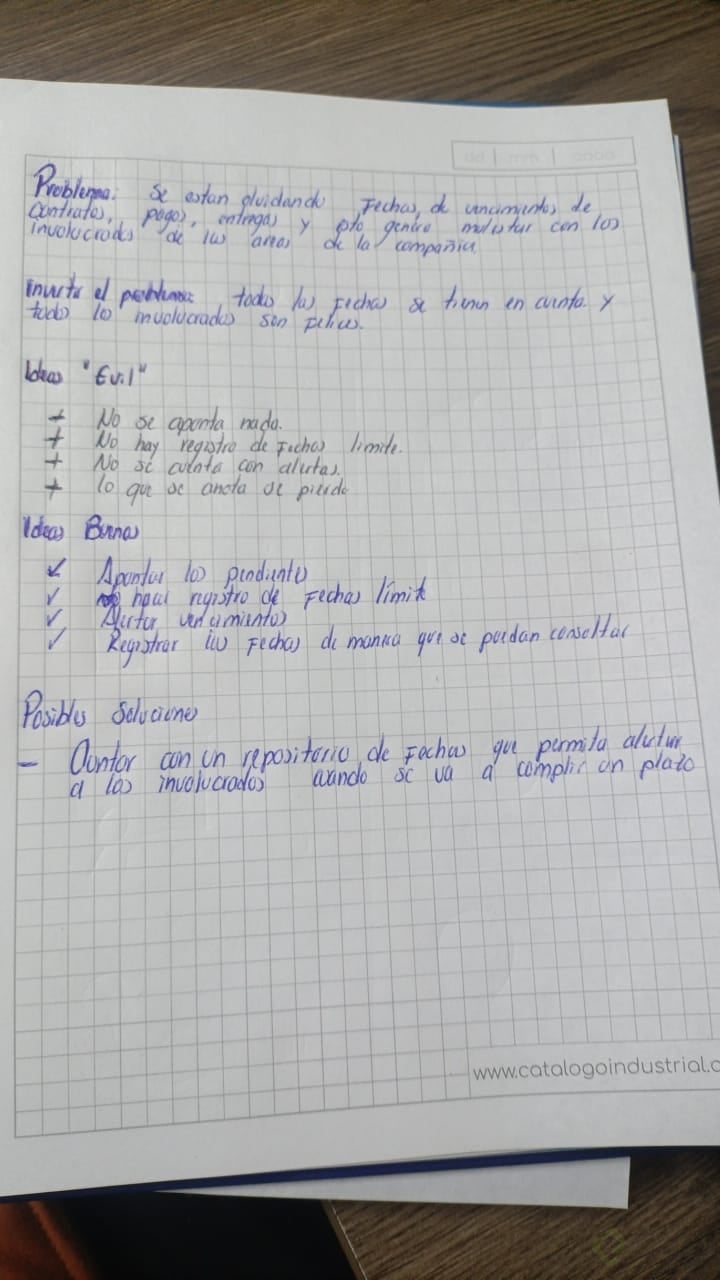
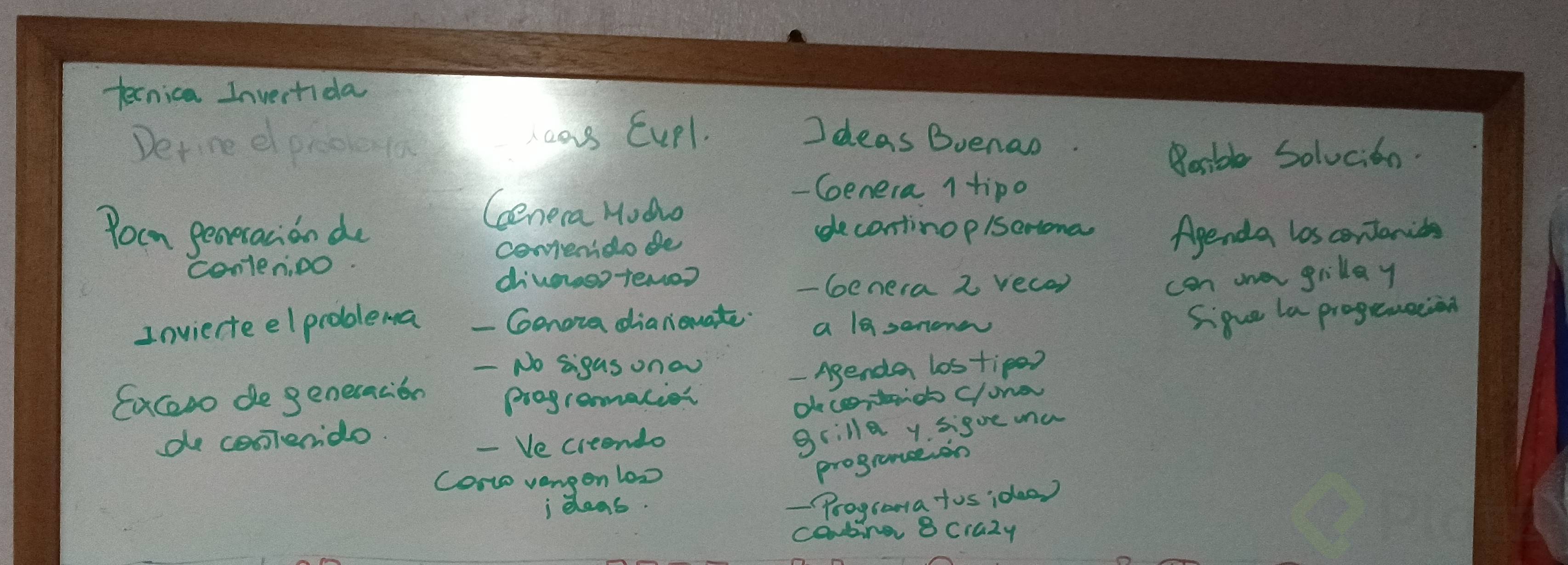
Write down the actual issue you want to solve. In our working example, imagine your office struggles with meetings that run too long and feel out of control. The stated problem becomes: we need more punctual meetings. Place it in the problem box of your worksheet.
Step two: invert the problem into its evil twin
Here is where the fun begins. Picture the Evil Kermit meme: there is a good version of your problem, and there is an evil one whispering the opposite. Flip the original statement so it now describes the worst possible scenario you could create on purpose.
For our meeting example, the inverted problem becomes: how do we make meetings as chaotic and unproductive as possible?
Step three: brainstorm evil solutions without filters
Gather your team and stay in evil mode. Generate solutions that serve the inverted problem. The wilder, the better. A few examples from this exercise:
- Cover many unrelated topics in a single meeting.
- Skip the agenda entirely and improvise.
- Invite people who have nothing to do with the project.
- Let everyone talk at the same time.
If the proposals make you laugh, gasp, or feel slightly horrified at how bad they are, you are on the right track. That reaction is the signal the technique is working.
How do you turn evil ideas into real solutions?
Once the evil list feels full, drop the villain hat. Now you reverse each terrible idea into its constructive counterpart. This is the moment where chaos becomes clarity.
How do you convert bad ideas into good ones? Take each evil proposal and write its opposite as a positive action. The mirror image often reveals a concrete rule you can apply.
Using the meeting example, the transformations look like this:
- Cover many topics becomes each meeting should address only one topic.
- No agenda, improvise becomes define an agenda of points to cover.
- Invite unrelated people becomes invite only those involved in the project.
- Everyone talks at once becomes define a structure and order of participation.
Each evil seed produces a usable rule. Some will feel obvious, others irrelevant, and a few genuinely promising.
How do you choose which solutions to keep?
Review the converted list and pick the ideas that actually fit your context. Move those into a possible solutions box. Sometimes a single converted idea solves the problem; other times, the real answer comes from combining two or three of them into one proposal.
This filtering stage matters because reverse thinking generates volume, and volume needs curation. The technique gives you raw material; your judgment turns it into a plan.
What problems work best with reverse thinking?
Any challenge where conventional brainstorming feels stuck is a candidate. Team dynamics, product friction, customer experience gaps, internal processes — all of them respond well when you flip the question.
Your challenge now: take a problem you are facing right now and write its evil version. Drop both in the comments — the real problem and how its evil twin looks. That single exercise will already shift how you see the issue.