Growth loops are closed, self-reinforcing systems that help you scale user acquisition and retention beyond what a linear funnel can achieve. If you work in marketing or growth, understanding how growth loops operate will change the way you design your acquisition strategy and read your metrics.
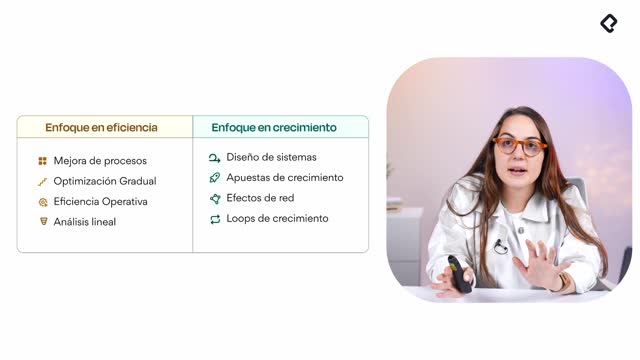
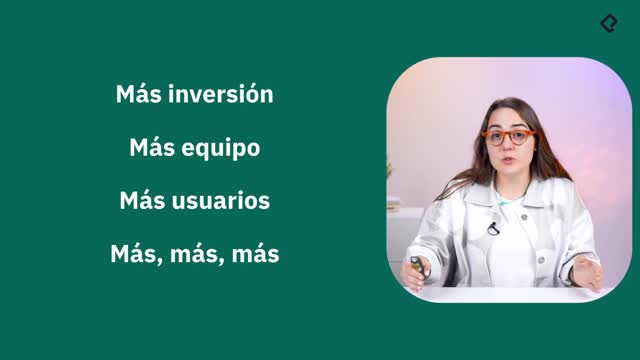
Funnels are useful because they let you optimize stage by stage, but the user journey rarely moves in a straight line. More budget, more team members, or more traffic don't always translate into more growth. In fact, when you've spent a long time on a single channel, you start hitting diminishing returns, and paid media costs creep up without bringing proportionally more customers.
What is a growth loop and why does it beat a linear funnel?
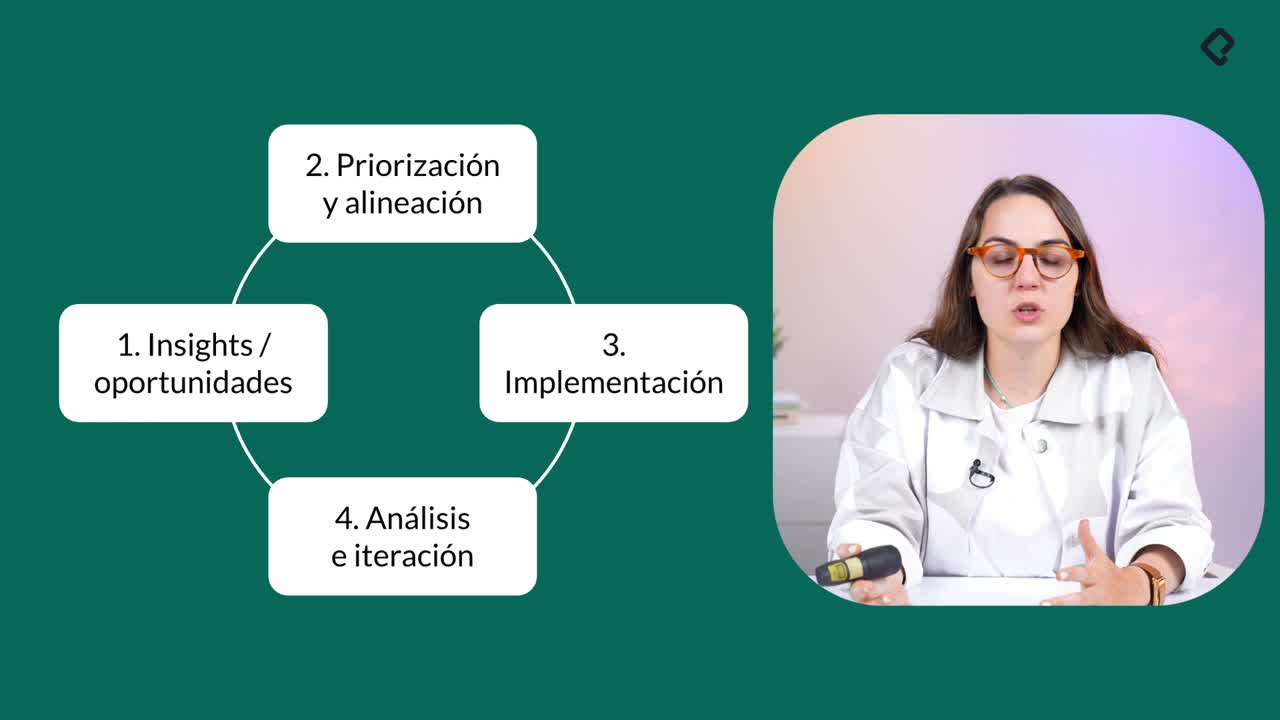
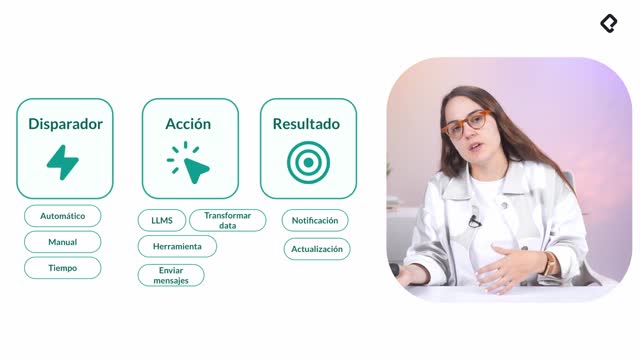
A growth loop is a closed system that feeds itself. There's a trigger, an action that brings a new or recurring user into the system, a set of actions that lead to a specific outcome, and that outcome gets reinvested to accelerate the loop again.
Think of it like compound interest: one user can bring five more, and the content or activity those five generate can bring many more after that. Loops can also stack on top of each other, which is what produces that exponential, accelerated growth effect.
What is a growth loop? It's a self-reinforcing system where a user's action produces an output (new users, content, revenue) that gets reinvested to trigger the same cycle again, multiplying results over time.
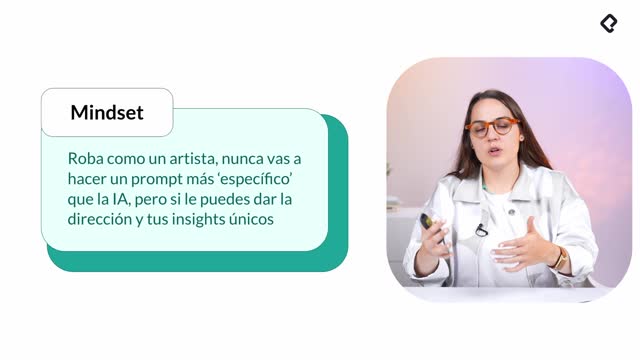
Building a loop isn't fast or easy. AI can speed up parts of the process, but humans don't consume content or change habits at the same pace machines can produce. Your ability to create and optimize won't scale linearly with the return you get back.
How do viral loops work and what incentives drive sharing?
Viral loops are among the highest-impact loops you can build, but they depend heavily on the nature of your product. The case of Hapi, a fintech, illustrates this clearly. Hapi rewards users with cryptocurrency every time someone they invite signs up and makes a first deposit.
The loop works like this:
- A user shares an invite link.
- The recipient clicks and downloads the platform.
- A percentage successfully creates an account.
- A percentage completes the first deposit, which is the activation event.
- A percentage buys stocks or crypto and becomes a new referrer.
That activation event is Hapi's key metric because it's where the incentive aligns for both sides. Depending on your K factor (virality coefficient), this can generate far more users than paid ads or organic search.
What types of incentives make people share a product?
Not every viral loop is financial. There are three common incentive types:
- Financial: the user gets a monetary or product reward, like Hapi's crypto bonus.
- Social: sharing brings recognition. Posting an automation flow on LinkedIn signals expertise and earns status.
- Personal: sharing improves the user's own experience. WhatsApp works better when your friends and family also use it.
Identifying which incentive drives sharing in your product helps you design the right mechanic to promote it.
How do content loops generate compounding growth?
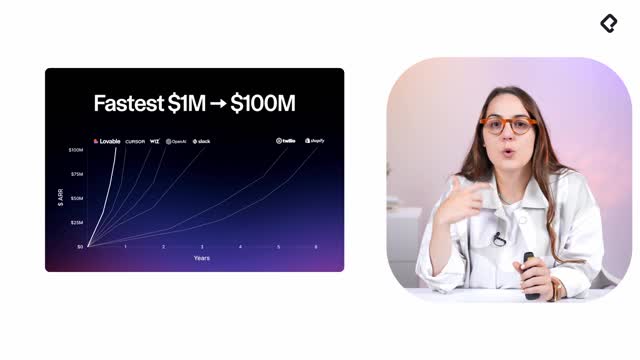
Most companies can build content loops even when viral loops aren't viable. Lovable, a platform that lets you build internal tools or web apps from a prompt, is a good example.
A Lovable user shares a project they just built on social media. That shared content is the trigger. Other users click the link, land on Lovable or the project itself, and a percentage of them copy or remix the project. A percentage of those then publish their own version, and a percentage shares it again. The cycle restarts with more contextualized use cases reaching new audiences.
Who creates the content in a content loop? It can be the company, a partner, or a customer. The same applies to who distributes it. Mapping the creator and the distributor (and their incentives) is how you design the loop.
At Porter Metrics, a software as a service for data visualization, the company created the templates and users distributed and duplicated them. Both sides of the loop, creation and distribution, can be played by any combination of company, partner, or customer.
How do you document growth loops for your own product?
The practical exercise is to map the loops you already see in your business. Open the Growth Model section of your working document and add the loops you can identify. There are three main categories worth tracking:
- Viral loops: users invite users.
- Content loops: content attracts users who create more content.
- Paid loops: ad revenue gets reinvested into more ads. This is the simplest one, which is why it gets less attention here.
A Platzi example: a user shares their certificate and what they learned in a course on social media. Some viewers search for the course. A percentage of those viewers are already Platzi users, and a percentage aren't even registered yet. From the new visitors, a percentage signs up and starts the first classes. A percentage of those enrolls in the full course and eventually shares their own certificate, restarting the cycle.
That's a content loop where the company creates the asset (the certificate and the course) and users distribute it. Your job now is to describe how each loop works in your company, who creates, who distributes, and what incentive keeps it alive. Share your loop in the comments and let's compare structures.