NUTRITION.
<u>Mindful eating</u> is a practice that invites you to enjoy every bite of your food, being fully present in the moment. By eating this way, you not only experience the tastes, but also the smells and how you feel in your environment. This technique allows you to recognize when you are eating out of cravings rather than real hunger, and helps you avoid unnecessary overeating.
<u>Dietary wellness guidelines.</u>
I. Maintain a healthy diet throughout your life: Starting good eating habits from an early age is crucial to maintaining a healthy diet throughout the years.
II. Include varied and affordable foods: Opt for foods that fit your budget and culture, making sure they are nutrient-dense.
III. Focus on nutrient-rich foods and keep calories in check: Even nutritious foods can be high in calories, so it's important to balance the two.
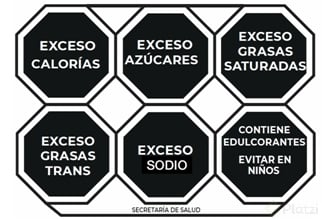
IV. Avoid foods high in sugars, trans-fats or saturated fats: Opt for low-sodium and low-alcohol options.
<u>Nutrient-rich foods</u> not only taste good, they also provide the vitamins and minerals needed for a healthy lifestyle. Avoid packaged snacks high in sugar and opt for more natural foods that offer a rich source of nutrients.
Vegetables are an essential part of a balanced diet, <u>classified as:</u>
1. Dark green: Rich in vitamins, ideal to consume in large quantities.
2. Red and orange: They contribute with different important nutrients.
3. Legumes: Like beans and lentils, they provide a great source of protein, especially valuable for vegans and vegetarians.
4. Starch: They provide energy and are nutritious.
Fruits are full of flavor and nutrients, <u>divided into four categories:</u>
1. Berries: High in antioxidants, they help prevent disease.
2. Citrus fruits: Source of vitamin C and energy.
3. Apples: Offer fiber and long-lasting energy.
4. Potassium-rich: Like bananas and melons, they help muscle function.
Cereals / Grains: essential in the diet for their fiber content and B vitamins, which help in the conversion of food into energy. They improve digestion and contribute to cardiovascular health.
Dairy: despite food sensitivities, they’re an excellent source of protein and probiotics, which support healthy gut flora. Choose options like yogurt or kefir for digestive benefits.
Proteins are essential for body function and maintenance. <u>They include:</u> Poultry and red meat (Rich sources of protein.) Fish and eggs (They provide omega-3 fatty acids and essential vitamins).
<u>Reading food labels:</u>
1) <u>Servings:</u> Check how many servings are on the package to calculate actual calorie intake.
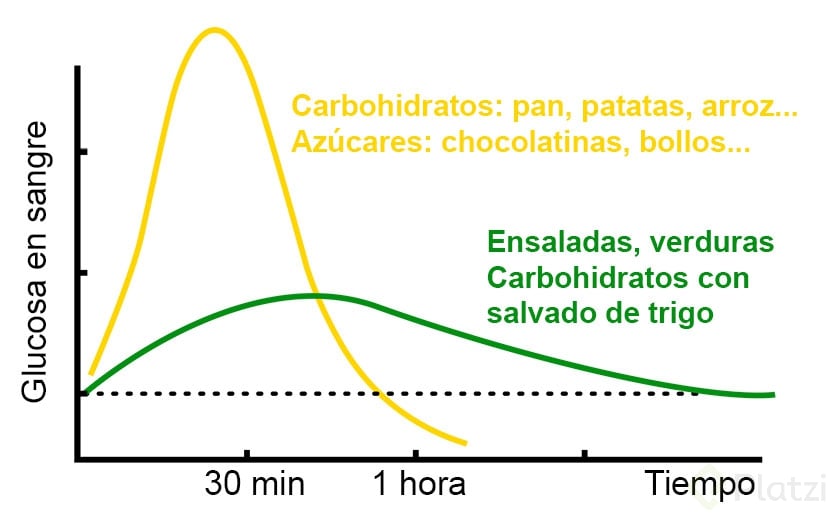
2) <u>Nutrients:</u> Check the fat, carbohydrate and protein content. Prioritize foods with more fiber and less sugars.
3) <u>Daily value:</u> A low percentage (less than 5%) indicates a low nutritional intake, while above 20% indicates a high intake.