Workplace English for Meetings and Emails
Contenido del curso

Talk About You and Others




Talk About Now

Recursos
Resumen
If you interact with international colleagues, attend meetings in English, or need to write clearer emails, building workplace English skills is one of the most practical investments you can make. This course focuses on the everyday language you actually use at work — from describing routines to expressing opinions without sounding rude.
How do you talk about your work routine in English?
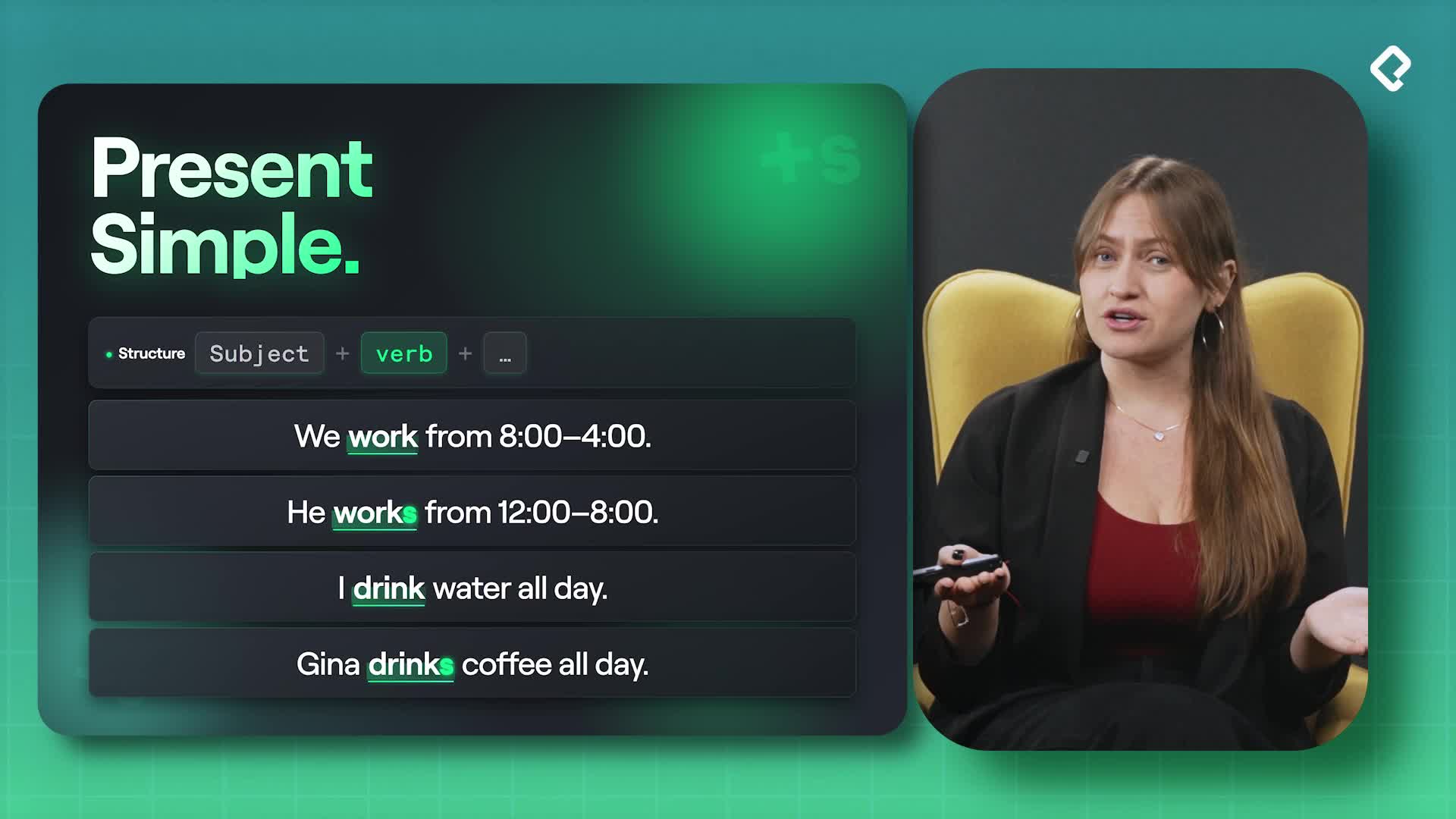
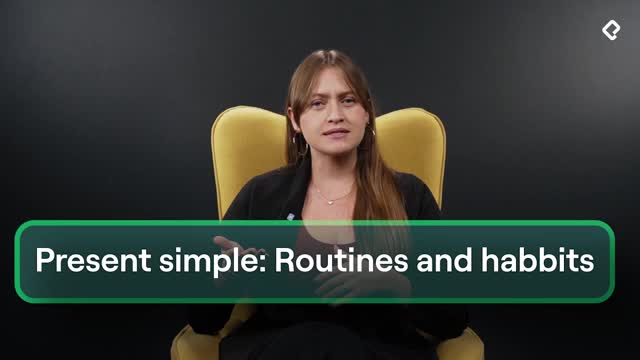
Describing what you do every day is one of the first things you need in a professional setting. Simple sentences like "I check my emails every morning" or "My manager sends reports every Monday" use the present simple tense, which is the foundation for talking about habits and repeated actions [0:28].
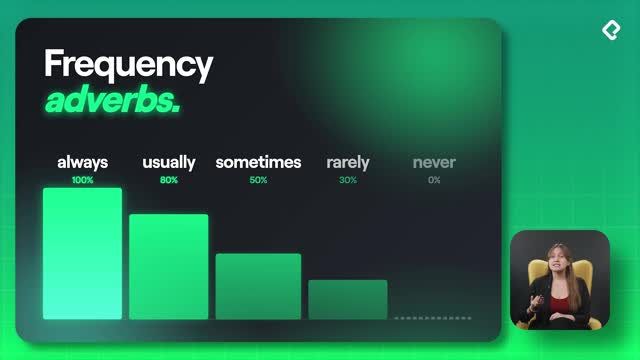
Once you can form these sentences, the next step is adding adverbs of frequency to explain how often something happens:
- Always — something you do 100% of the time.
- Usually — most of the time.
- Sometimes — occasionally.
- Rarely — almost never.
- Never — not at all.
These words typically go before the main verb and help you give precise, natural answers. For example, when someone asks "Do you work from home?" you can respond with "Yes, I do" or expand it: "I usually work from home" [0:44].
How do you ask and answer questions naturally?
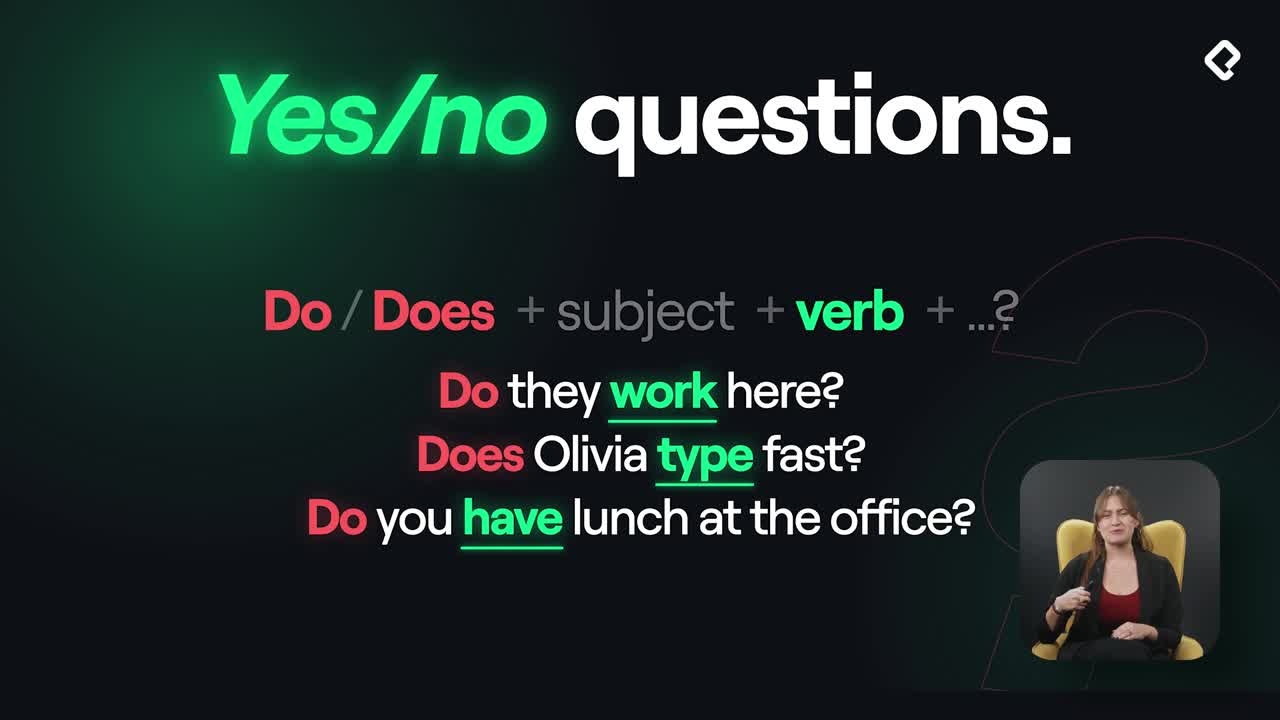
Forming questions in English follows a clear pattern. "Do you work from home?" and "Where does she work?" are examples of yes/no and wh-questions in the present simple. Mastering this structure lets you participate in conversations and meetings without hesitation. The answer "She works at Platzi" [0:52] shows correct subject-verb agreement with third person — a small detail that makes a big difference in sounding professional.
What are object pronouns and why do they matter?
Object pronouns — me, him, her, them — replace nouns to avoid repetition and make your speech flow naturally [1:00]. Instead of saying "I like Maria. I work with Maria. I talk to Maria every day," you simply say "I like her." This is not just a grammar rule; it is how fluent speakers communicate efficiently in emails, chats, and conversations.
How do you sound professional instead of demanding?
Word choice shapes how people perceive you. There is a meaningful difference between "I want to go home" and "I'd like to go home" [1:14]. The first can sound demanding, while the second sounds polished and respectful. Learning to use want versus like (and structures such as "would like") helps you make requests, state preferences, and set boundaries — all without risking your professional relationships.
How can you express abilities and actions at work?
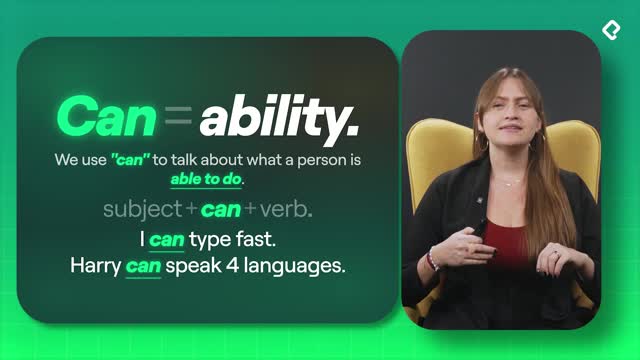
Talking about what you can do is essential for interviews, performance reviews, and daily collaboration. Sentences like "I can create strong relationships" and "I can negotiate with clients" [1:24] use the modal verb can to describe abilities clearly and confidently. Asking "Can you lead a meeting in English?" is a direct, professional way to discuss skills.
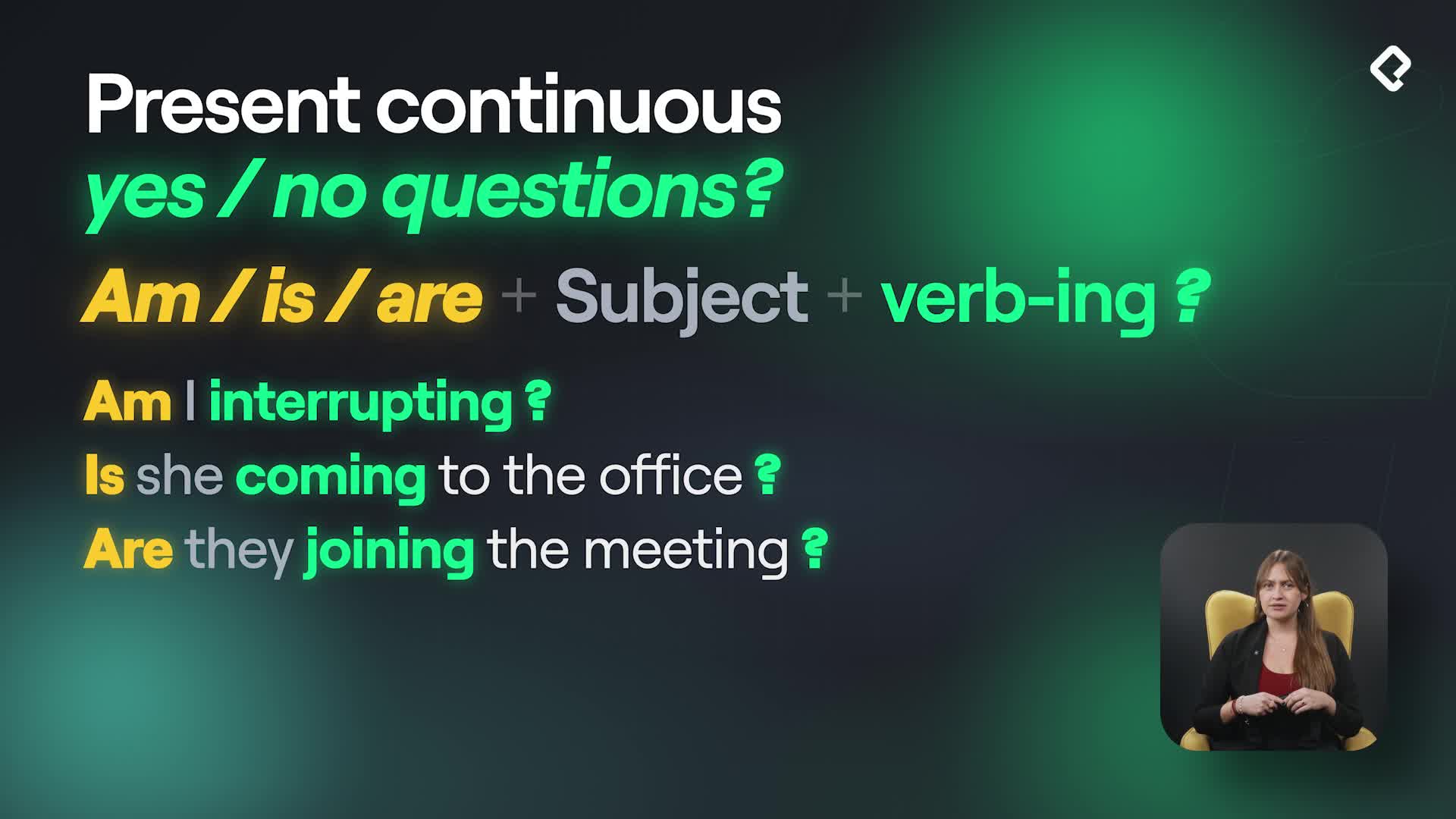
Beyond abilities, describing what is happening right now requires the present continuous tense. "What are you doing right now? I think you're sitting at your desk and you're drinking a coffee" [1:35] demonstrates how be + verb-ing captures actions in progress. This tense is useful for status updates, quick check-ins, and describing ongoing projects.
Why is practicing more important than watching?
Every class includes exercises because learning English is not about watching — it is about doing [1:50]. Active practice builds the muscle memory you need to respond quickly in real situations. Writing sentences, answering questions out loud, and applying grammar in context are what turn passive knowledge into real communication skills.
If you are ready to feel more confident the next time you open your inbox or join a video call, share which workplace situation challenges you the most — routines, meetings, or emails — and start practicing today.