Your English Skills After This Course
Contenido del curso

Talk About You and Others




Talk About Now

Recursos
Resumen
Everything you have learned so far builds a strong foundation for real communication in English. From describing daily routines to expressing opinions and talking about what is happening right now, these are the tools that make conversations feel natural and confident.
How can you talk about your work routine?
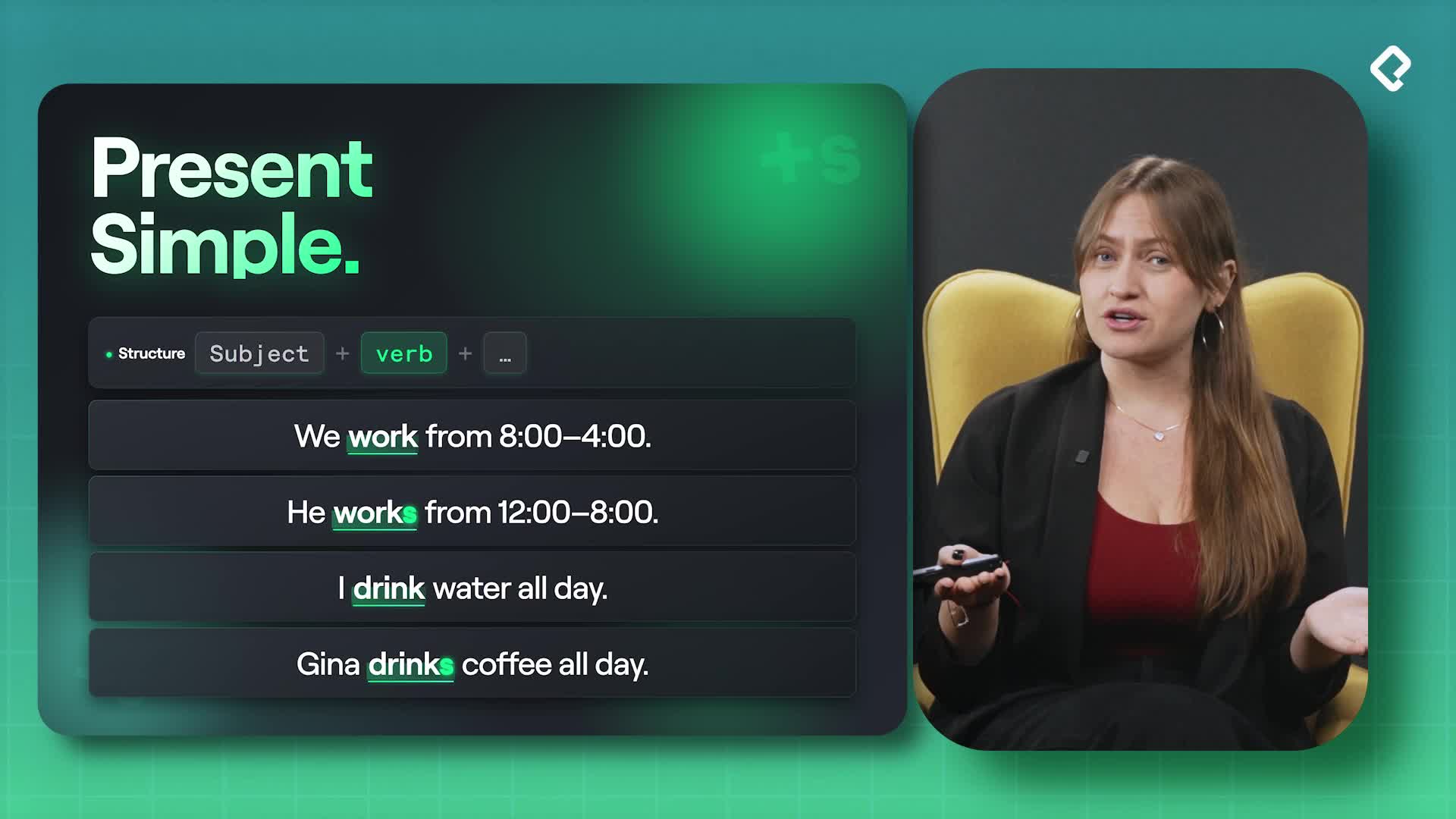
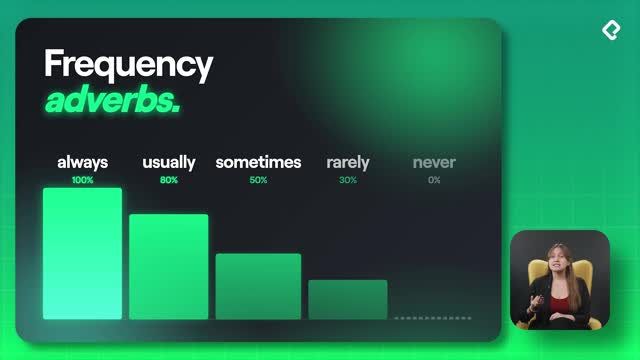
Describing your work routine means using time expressions like every day, every week, always, and never [0:03]. These adverbs of frequency help you explain how often something happens in your professional life. For example, you might say: "I always check my email in the morning" or "I never skip our weekly meeting." Mastering these expressions allows you to communicate clearly about your habits and responsibilities at work.
How do you express what you love, hate, and connect ideas?
Sharing your preferences is a key part of natural conversation. You can express likes and dislikes using verbs like love and hate [0:12]. To make your ideas more complete, you connect contrasting thoughts with the conjunction but. For instance: "I love working in teams, but I hate long meetings." This simple structure makes your speech sound more fluid and expressive.
What are object pronouns and why do they matter?
Object pronouns — me, him, her, them — replace nouns to avoid repetition and sound more like a natural English speaker [0:18]. Instead of saying "I sent the report to Maria," you say "I sent the report to her." Using object pronouns correctly is one of the clearest signs of growing fluency.
How can you talk about actions happening right now?
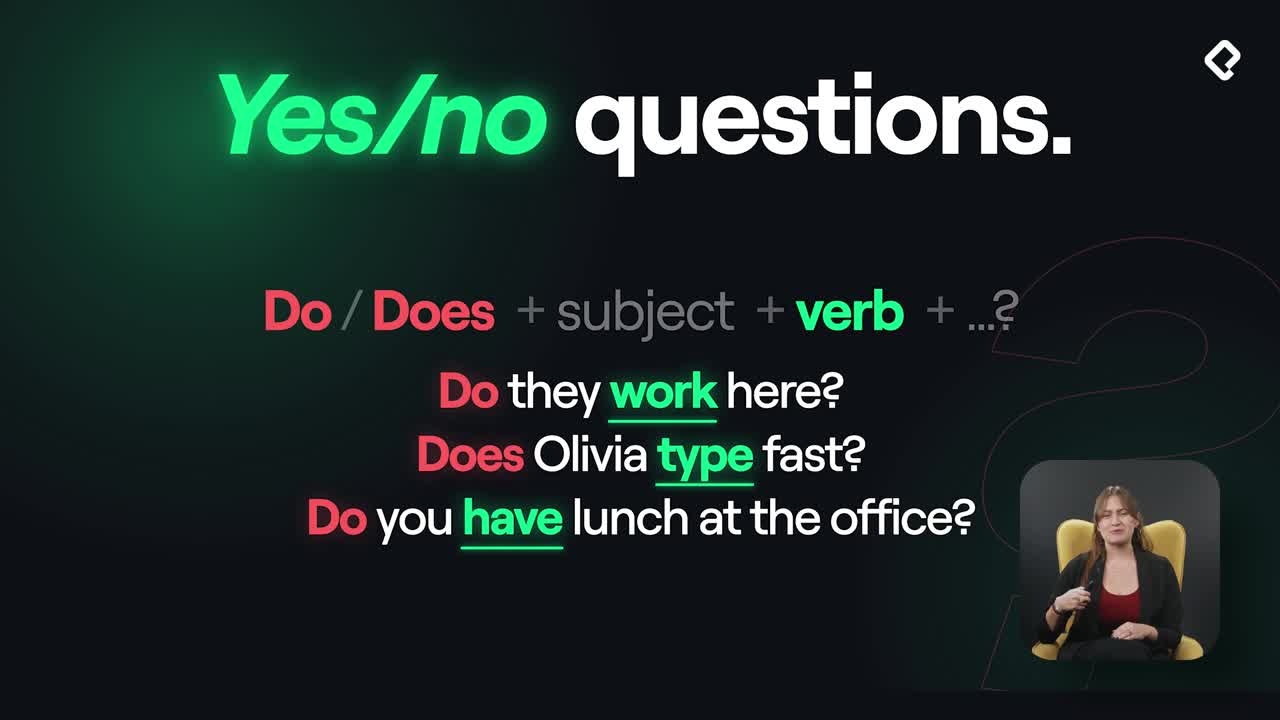
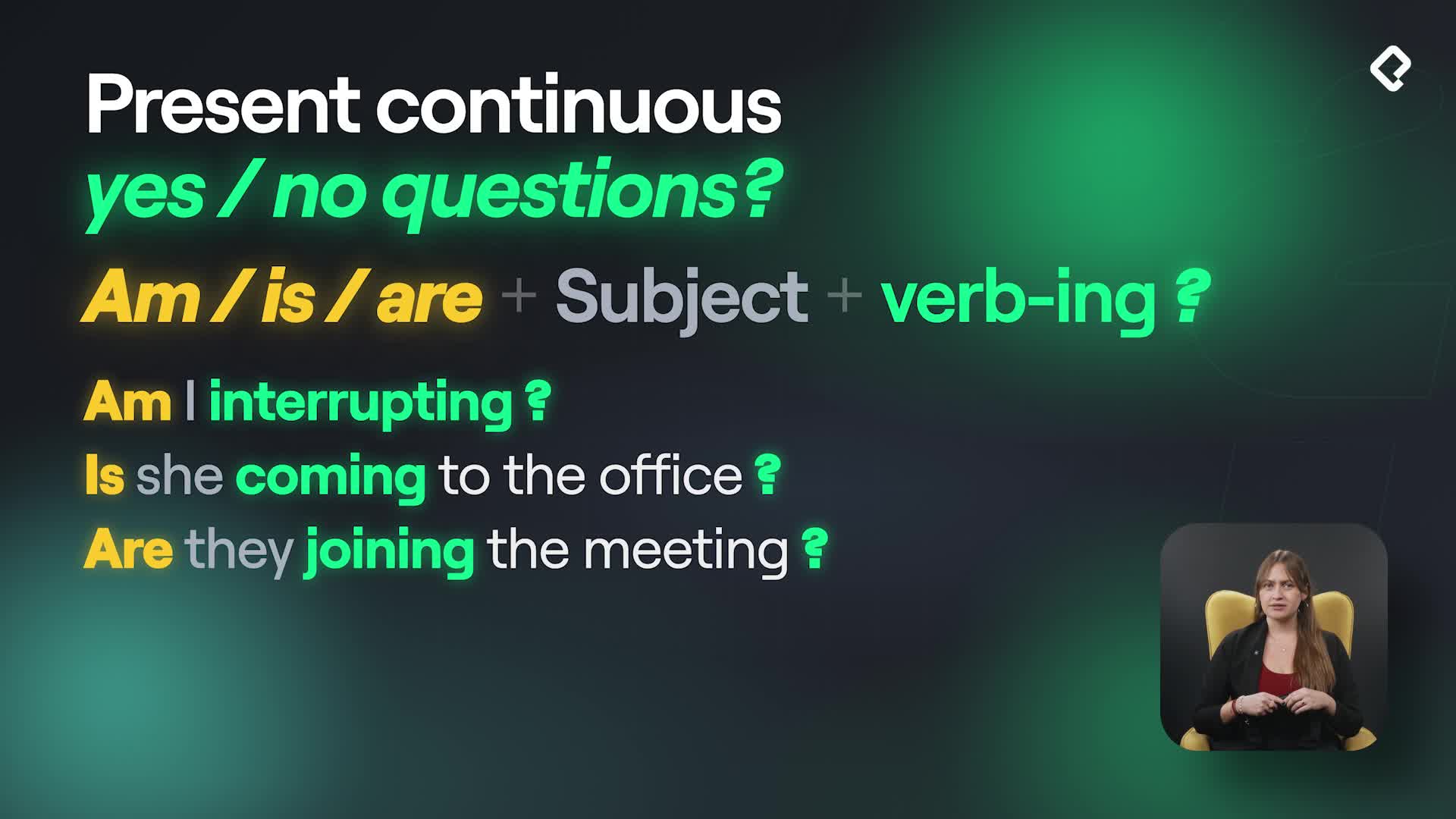
The present continuous tense lets you describe what is happening at this exact moment [0:30]. A great example from real work situations is the question: "Are you having lunch?" [0:36]. This tense is formed with the verb to be plus a verb ending in -ing. It is essential for real-time conversations, meetings, and quick check-ins with colleagues.
Beyond describing current actions, you have also practiced how to:
- Express your opinions on professional topics.
- Talk about your wants and what you need.
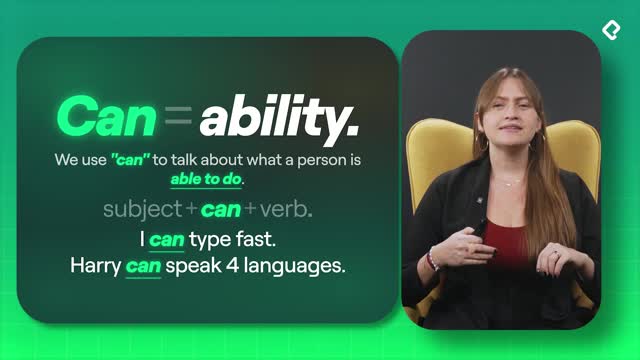
- Describe your professional skills with confidence.
These abilities connect directly to real English, real work situations, and real conversations [0:33].
What is the best way to keep improving?
The most important advice is simple: keep practicing, keep making mistakes, and keep going [0:42]. Making errors is not a sign of failure — it is how you truly learn. Every mistake brings you one step closer to fluency.
You have built something valuable. Now take that confidence into your next conversation, your next meeting, your next opportunity. You got this [0:48].