
There Is / There Are: Nombrar Objetos en un Espacio
Contenido del curso

Describing What Is in Your Office

Talking About Things and People at Work
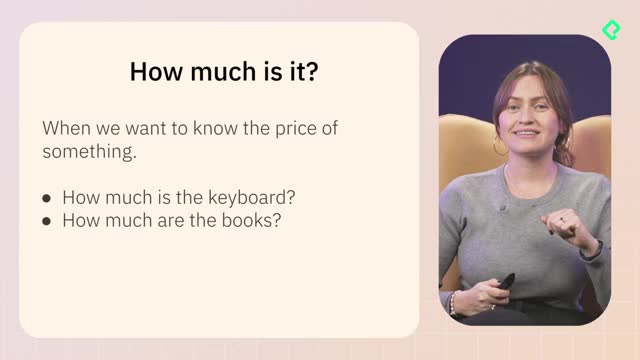
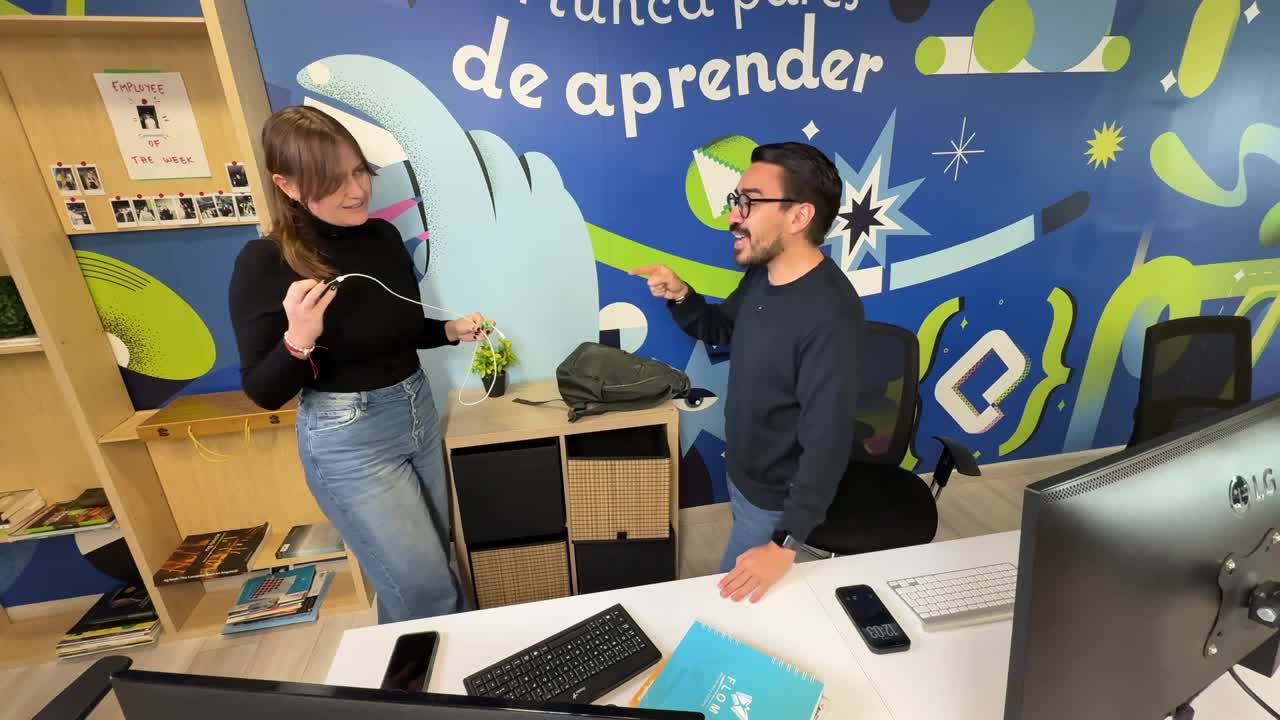

Talking about what you have
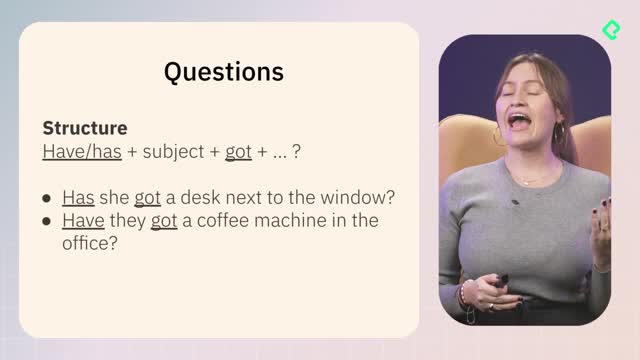
There Is / There Are: Nombrar Objetos en un Espacio
There Is / There Are: Nombrar Objetos en un Espacio
Contenido del curso
There is a keyboard
There is a keychain
There is a rubik cube
there is a radio
there is an apple
there is a book
there are books
there is not a pen
there are not pencils
There is a pencil
In my desk there is:
A calendar
a computer
a mouse
more things...
There aren't flowers
There aren't tomatoes
There isn't a cat
Mis apuntes 🌱
Let's practice:
Now, I'm going to describe things what I see and don't see in my room
There is a good looking woman in that room
There isn't a door
There aren't a two stairs
Yes! That's correct, Amada.
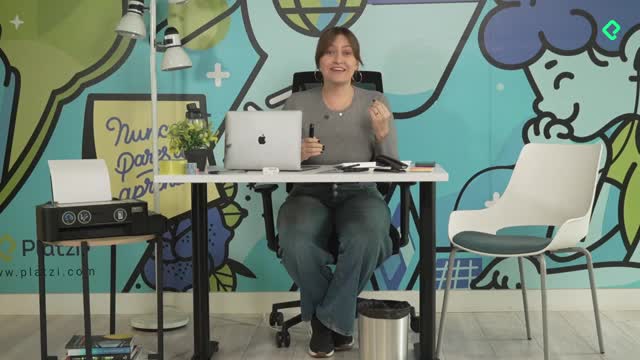
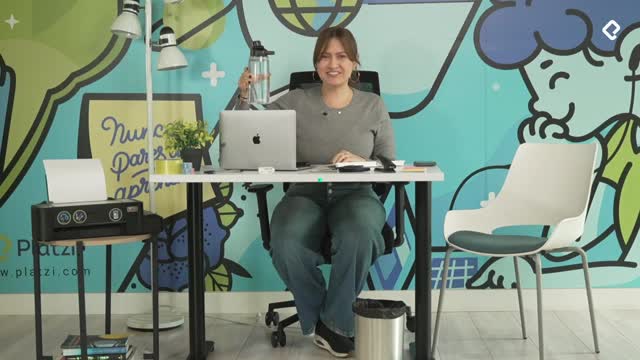
There are two chairs.
There are two lamps.
There are two scissors.
There are three tapes.
There are pens.
There is a laptop
There are two chairs
There isn’t an apple
There aren’t three plants
there are tables
there is a lamp
there isn't a plant
there aren't tapes
There is a laptop
There are two table
There aren't desktop
There isn't a TV
There are pens. There are keys. There are coins.
There is notebook. There is pencil. There is wallet. There is laptop.
there are a lamps
there area a windows
there are a pens
there are a chairs
there area a tables
there is a table
there is a microfone
there is a mouse
there is a tv
there is a door
there isn't a board.
there aren't windows.
there isn't a TV
there aren't two trash cans
and there aren't two Vickies.
How do I describe my workspace accurately?
To paint a clear picture of your workspace, combine basic office vocabulary with phrases like "there is" for single items and "there are" for multiple items. For example, instead of just saying "desk and computer," you can say, "There is a large desk, and there are two monitors." This structure instantly helps your colleagues or clients visualize your environment accurately. It becomes incredibly useful when you need to request IT support, organize a new office layout, or simply give a virtual tour of your workspace during a team meeting.