
Complete the Words Task on TOEFL Explained
Contenido del curso


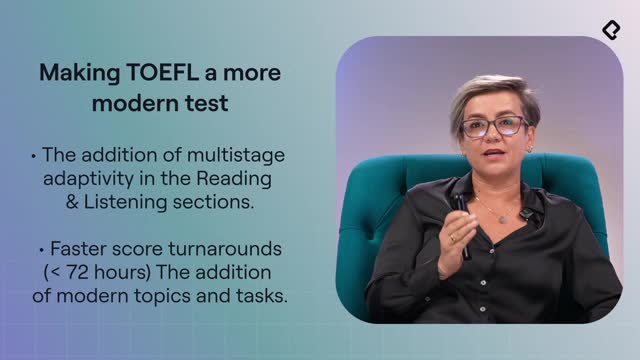
Reading



Listening
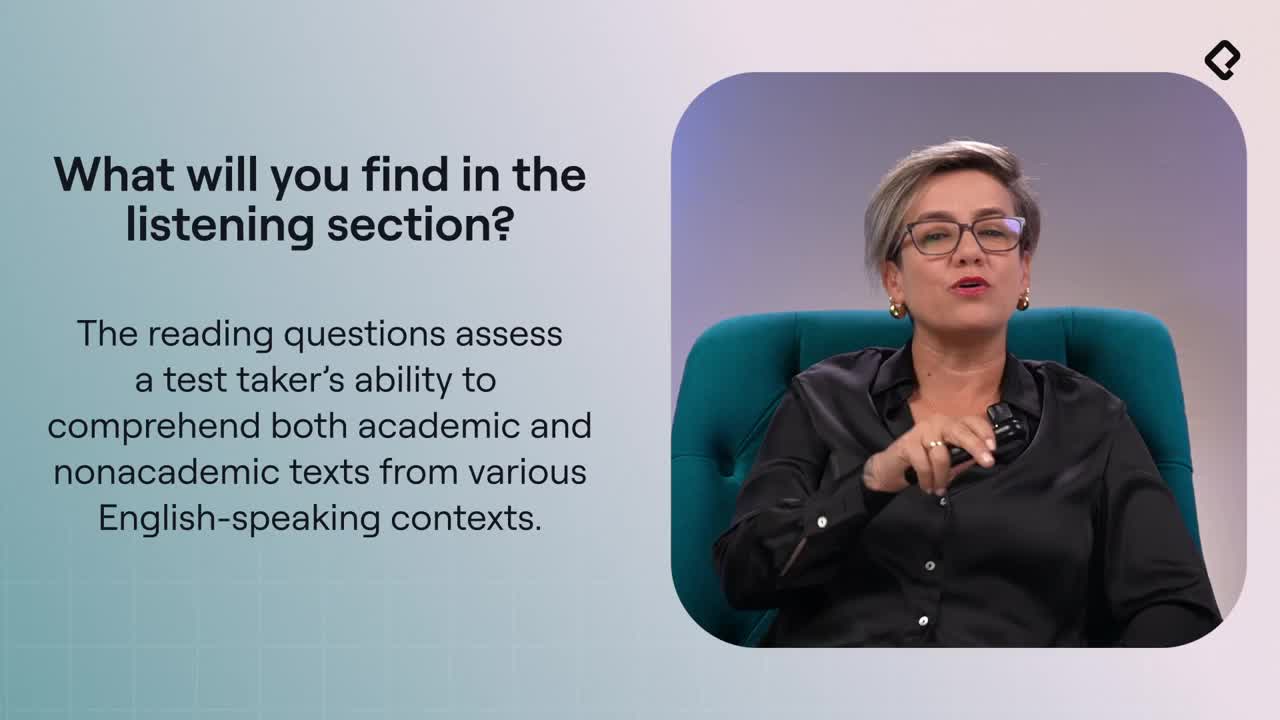
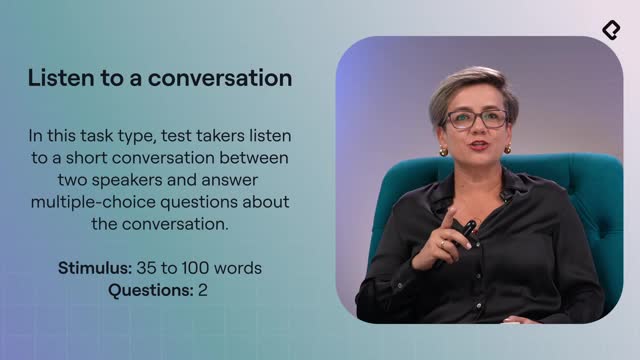
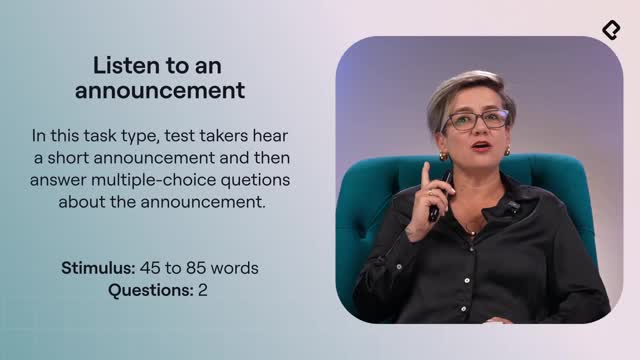


Writing
Speaking

Complete the Words Task on TOEFL Explained
Complete the Words Task on TOEFL Explained
Contenido del curso
Francisco Flores Camarillo

Paula Ballen

Gabriela Anselma López Salguero

Imelda Iris Sarmiento Cruz

ANA LILIAN VIANA UMAÑA

Miguel Bastidas

andrea sosa

Juan Fernando Berrio Herrera

Julio Catalán H.
Cristina Sanchez

Juan Marcos Caicedo Mejía

Ana María Sánchez Larrarte
Vivian Fonseca Alves Toledo

Carlos Bueno Rivero

Jawer Sneider Rojas Álvarez

Manuel Alejandro Juri Zamora

Fernando Oña
Stid Palacios
HOMAYRA DEL ROSARIO NAVARRO VALIENTE

Alonso Umaña
Francisco Vega

Christopher Enmanuel López Mejia
Soryy technical team but I'm facing the below issue: The media playback was aborted due to a corruption problem or because the media used features your browser did not support.
Happens to me too
The same thing happened to me, I can´t continue learning
I didn´t like this curse it´s too much introduction and non practice. I thought it was practical.
We know from drawings thay have been preserved in caves fore over 10,000 years that early humans performed dancs as a groupe activity. We might think that preshitico people concentrated only on basic survival. However it is clear from the record that dancing was important to them.
The missing words: We might think that prehistoric people concentrated only on basic survival. However, it is clear from the recent that dancing was important to them.
we might think the prehistoric people concentrated once on based survival however it is clear free the recents that dancing was important to them .
done, but took me a little long time....
might that people only basic however is from record dancing
The same thing happened to me
Might, that, people, only, basic, however, is, from, record, dancing
we know from drawing that have been preserved in caves for over 10000 years that early humans performed dances as a group activity. we might think that prehistoric people concentrated only on basic survival. however it is clear from the record that dancing was important to them
might, that, people, only, basic.
However, is, from, record, dancing, |
might - that- people- only- basic. however, -is - from- record- dancing -
We know from drawings that have been preserved in caves for over 10000 years that early humans performed dances as a group activity. We *might* think *that* prehistoric *people* concentrated *only* on *basic* survival. *However*, it *is* clear *from* the *record* that *dancing* was important to them. They recorded more drawings of dances than any other group activity. Dances served various purposes, including ritualistic communication with the divine, storytelling, and social cohesion.
Por favor podrían arreglar el problema, no podemos continúar con la capacitación.
What's the best way to practice this task?
The most effective strategy is to build a habit of active, predictive reading. You can simulate this task using any standard English article from a newspaper or magazine. Take a short paragraph, copy it into a document, and manually delete the second half of every other word. Then, step away for a few hours and come back to solve your own puzzle. Additionally, focus heavily on mastering English collocations (words that naturally go together, like make a decision instead of do a decision) and dependent prepositions (like being interested in rather than interested on). Since this task heavily tests these fixed grammatical structures, strengthening your foundational knowledge of how English words link together will make filling in those missing letters feel almost automatic.
we know from drawings that have been preserved in caves for over 10,000 years that early humans performed dances as a group activity. We might think that prehistoric people concentrated only on basic survival. However, it is clear from the records that dancing was important to them. They recorded more drawings of dances than any other group activity. Dances served various purposes, including ritualistic communication with the divine, storytelling, and social cohesion.
We know from the drawings that have been preserved in caves for over 10,000 years that early humans performed dances as a group activity. We might think that prehistoric people concentrated only on basic survival. However, it is clear from the record that dancing was important to them. They recorded more drawings of dances than any other group activity. Dances serve various purposes, including ritualistic communication with the divine, storytelling, and social cohesion.
we know from drawings that have been preserved in cave for over 10,000 year that early humans performed dances as a group activity. we might think prehistoric people concentrated only on basic survival.however it is clear from the record that dancing was important to them.