What Is the TOEFL iBT and Who Accepts It
Contenido del curso

Reading
Listening


Writing
Speaking
Recursos
Resumen
The TOEFL iBT is the global benchmark for academic English proficiency, accepted by more than 13,000 institutions across 160 countries. If you plan to study, work, or migrate abroad, understanding what this test is, who runs it, and how it is structured is the first step toward a confident preparation.
What does TOEFL iBT stand for?
The acronym holds the key to the exam's purpose and delivery format.
TOEFL stands for Test of English as a Foreign Language, while iBT means Internet-Based Test. In other words, it's an English proficiency exam delivered digitally, designed for non-native speakers who need to prove their academic command of the language.
What is the TOEFL iBT? It's an internet-based English proficiency test that measures reading, listening, speaking, and writing skills for academic and professional purposes.
Who develops and administers the TOEFL iBT?
The credibility of the test rests on the institution behind it.
The Educational Testing Service (ETS) is the organization responsible for designing and running the TOEFL iBT. ETS is a global leader in assessment, delivering more than 50 million evaluations per year through a network of over 9,000 secure test centers in 200 countries. That operational scale is backed by specialized teams of psychometricians and test development experts who ensure each exam is fair, precise, and high impact.
Why does ETS's infrastructure matter for test takers?
Because it guarantees reliability at scale. Whether you sit for the exam in a test center in Tokyo or take the at-home edition from your living room, the standards remain consistent. That's what allows universities and employers to trust your score no matter where you tested.
How widely is the TOEFL iBT accepted around the world?
This is where the test goes from being just an exam to a real passport for opportunity.
TOEFL iBT scores are recognized by:
- More than 13,000 institutions across 160 countries.
- All major universities in the United States and Canada.
- Immigration authorities that use it to validate visa applications.
- Multinational companies that rely on it to certify employee proficiency.
That triple recognition, academic, governmental, and corporate, is what makes the credential so valuable. You're not just proving English for a single classroom; you're unlocking pathways for studying, working, and migrating internationally.
Is the TOEFL iBT accepted for visa applications? Yes. Immigration authorities in many countries trust TOEFL iBT scores as proof of English proficiency for visa processes.
What does the TOEFL family of exams include?
ETS designed several versions to match different proficiency needs and life stages.
The complete TOEFL family includes:
- TOEFL iBT, available in test centers and through the Home Edition.
- TOEFL Primary, for young learners.
- TOEFL Junior, aimed at middle school students.
- TOEFL ITP, for institutional placement programs.
- TOEFL Essentials, a shorter alternative for general proficiency.
Each option targets a different audience, but the iBT remains the gold standard for academic English.
How is the TOEFL iBT structured?
Knowing the format helps you study with strategy, not anxiety.
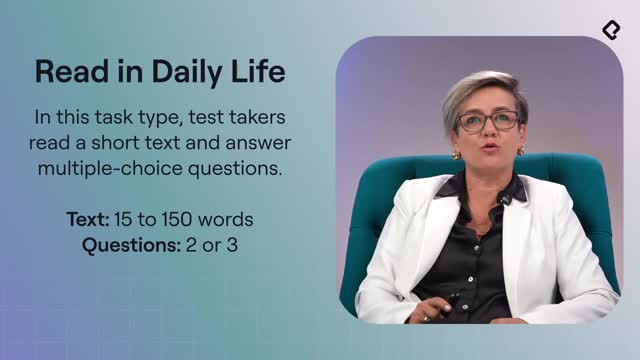
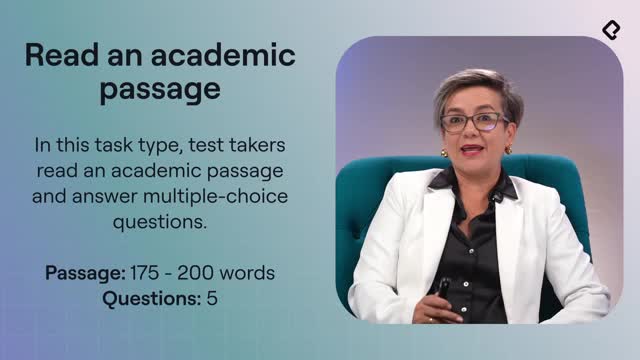
The TOEFL iBT is completed in less than two hours and follows a fixed sequence that evaluates your four core academic skills:
- Reading.
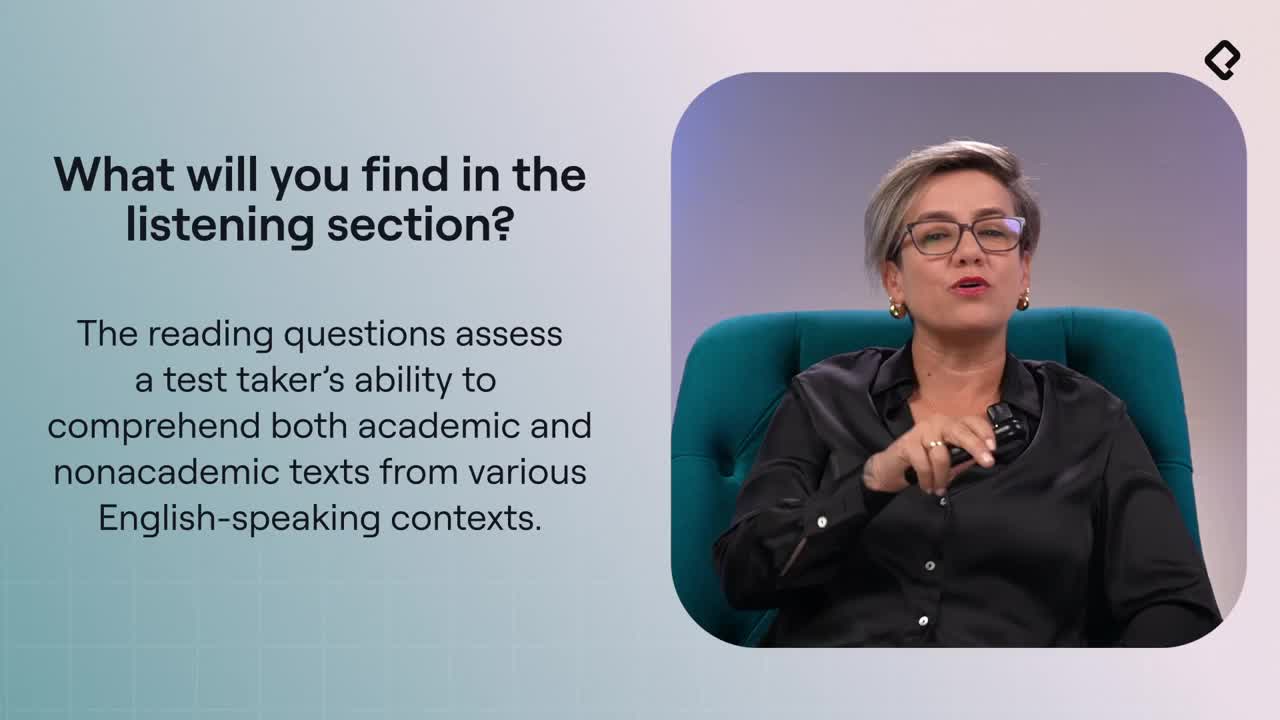
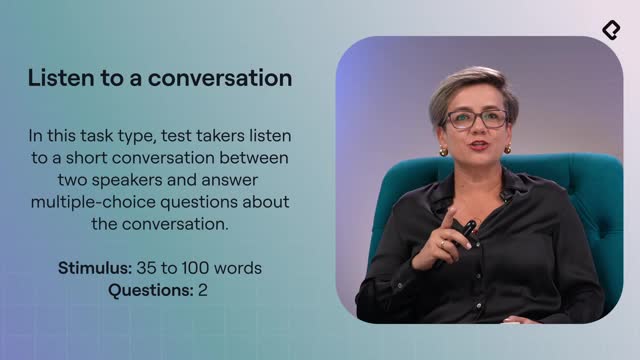
- Listening.
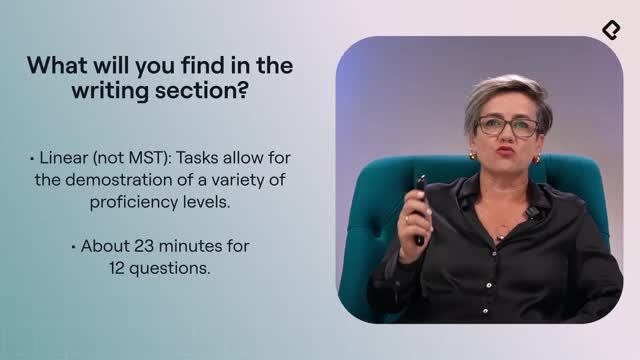
- Speaking.
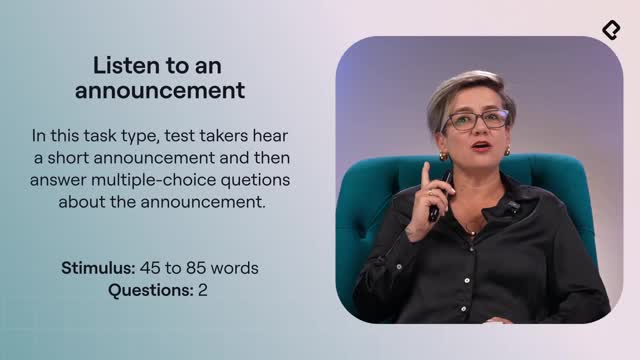
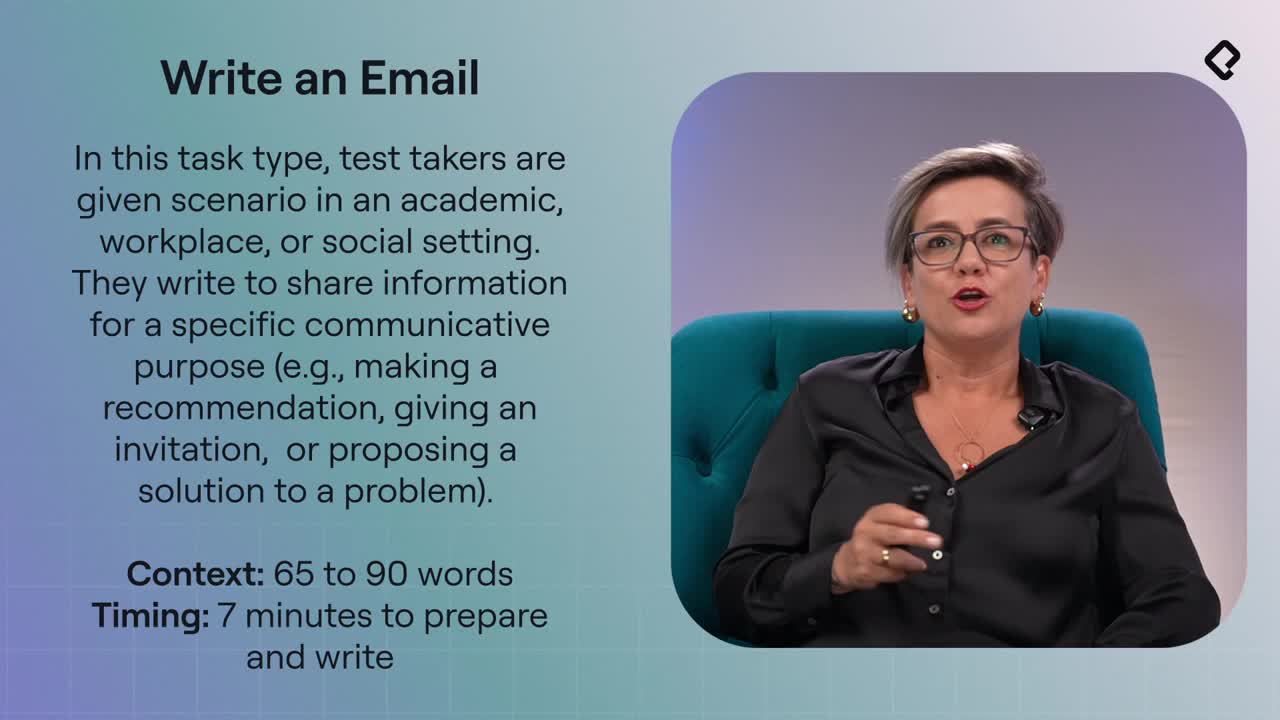
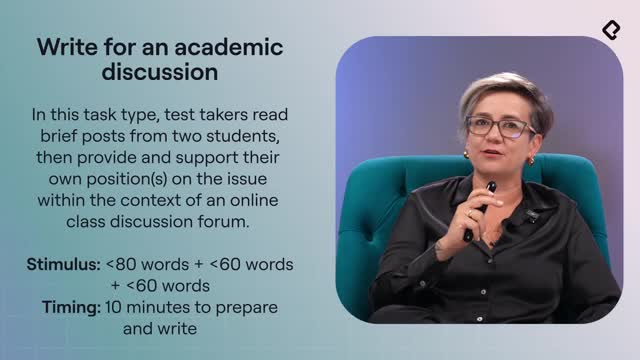
- Writing.
This streamlined design means you can focus your preparation on mastering each section with precision, rather than worrying about a marathon-length test. And because it's available both in test centers and through the at-home edition, you can choose the setting that best fits your circumstances.
How long is the TOEFL iBT? Under two hours, divided into four sections: reading, listening, speaking, and writing.
In the next lesson, you'll get a detailed look at the recent changes introduced to the TOEFL iBT. Drop a comment with the section you find most challenging so we can tackle it together.
What Is the TOEFL iBT and Who Accepts It
