
Hard vs Soft Fascination in TOEFL Listening
Contenido del curso


Reading
Listening


Writing
Speaking
Recursos
Resumen
Understanding academic talks is one of the most useful skills you can build for the TOEFL iBT listening section, and the concept of hard fascination versus soft fascination is a perfect example of the kind of psychology lecture you might face on test day. Here you will see how to break down a short academic talk, answer comprehension questions, and apply note-taking strategies that actually work.
What is hard fascination and why does it matter?
Hard fascination is the intense, effortless focus you feel when you watch a thriller movie, play a video game, or binge a TV series. Your attention locks in so deeply that time flies and no unrelated thought crosses your mind.
The catch? That level of concentration drains you. Hard fascination causes mental fatigue, and once your mind is tired, you become easily distracted, irritable, and stressed. In a world full of screens, this kind of attention is everywhere, which is why psychologists pay close attention to it.
What is hard fascination? It is intense, effortless concentration triggered by stimulating content like movies or video games. It captures full attention but tires the brain quickly.
How is soft fascination different from hard fascination?
Soft fascination is also effortless, meaning you do not have to push yourself to stay engaged, but it leaves room for other thoughts. Walking in a park, looking at flowers, or watching clouds drift by are classic examples. You can enjoy the scene while still thinking about your dinner plans in the back of your mind.
This type of attention activates a specific brain system called the default mode network, or DMN. The DMN soothes the mind and helps combat mental fatigue, which is why a walk outside often feels more restorative than another hour on your phone.
What is the default mode network? It is the brain network engaged during soft fascination. It calms the mind and helps recover from mental fatigue.
When should you switch from hard to soft fascination?
Whenever your mind feels on overload. Turn off the TV, put down the phone, take a walk, or simply sit and stare at the clouds. Small shifts give your brain the recovery it needs.
How do you answer TOEFL listening questions about an academic talk?
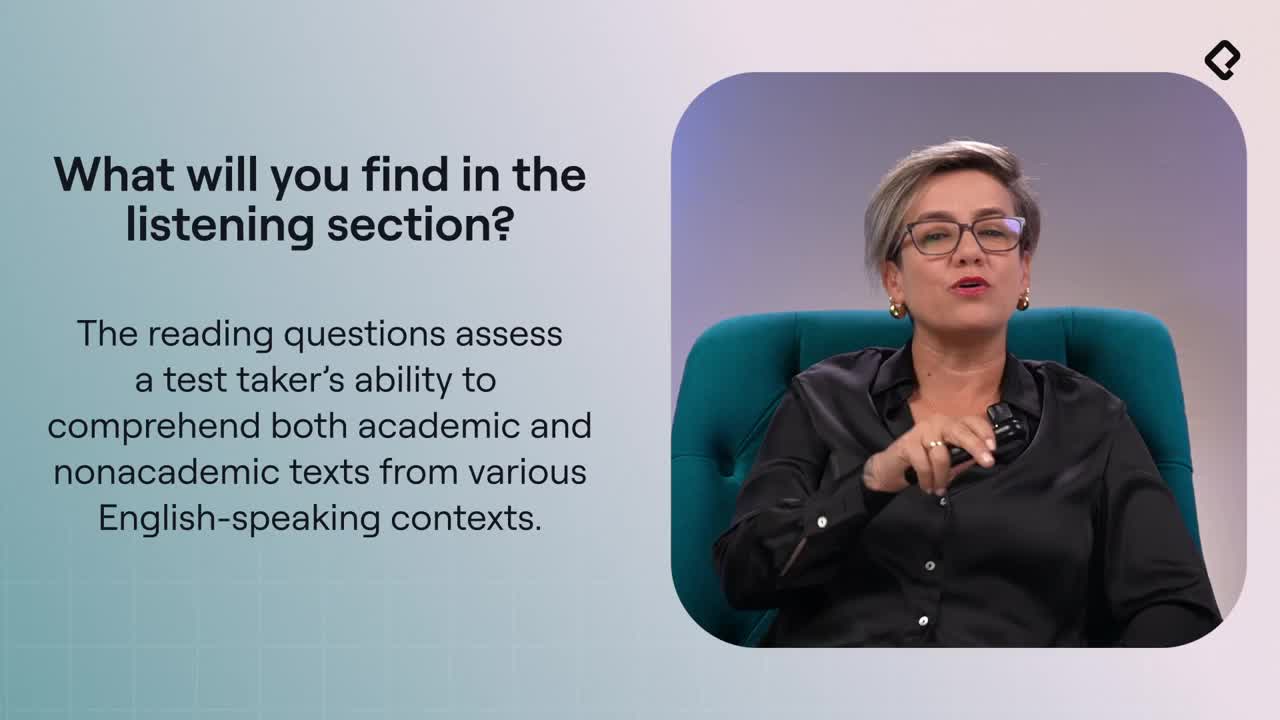
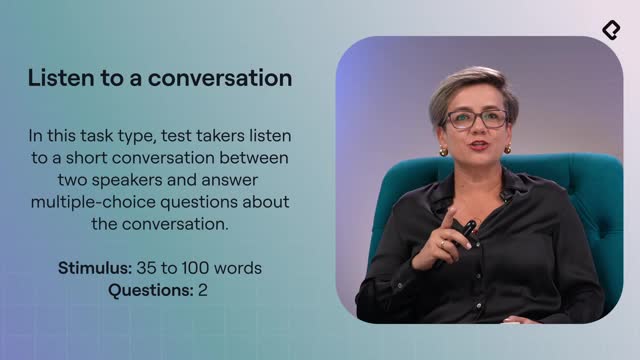
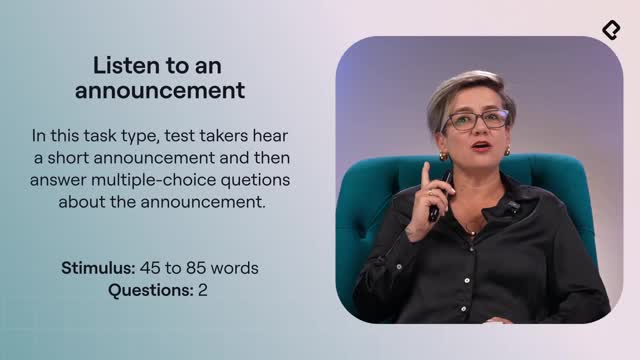
The practice talk includes four typical question types you will see on the TOEFL iBT listening section:
- Topic question: identifies the main idea of the talk, in this case the contrast between hard and soft fascination.
- Purpose question: asks why the speaker mentions a specific example, like the thriller movie used to illustrate hard fascination.
- Fact question: targets a concrete detail, such as what the speaker says about her walk in the park.
- Detail question: focuses on a specific concept mentioned, like the role of the default mode network.
Each question type rewards a slightly different listening focus, so naming them in your head as you listen helps you predict what to track in your notes.
What strategies improve your performance on academic listening tasks?
The speaker shares six tips that work especially well when you combine them. Use them as a checklist while you practice.
- Practice with a variety of academic materials like lectures, podcasts, interviews, and presentations across different topics and difficulty levels.
- Focus on purpose and organization, identifying the main goal of the talk and how the information is structured.
- Recognize transitions, examples, and emphasis to follow the speaker's logic and anticipate key points.
- Use note-taking strategically, capturing main ideas and supporting details instead of writing down every word.
- Read questions and answer choices carefully on screen, since they are not read aloud.
- Read all options before selecting an answer to avoid misinterpretation or rushing.
A quick note on note-taking: the goal is to separate what is essential from what is trivial. If you try to transcribe the talk, you will miss the next idea. If you only capture the main concepts and one or two supporting details per concept, you will have enough structure to answer most questions confidently.
How long are TOEFL academic talks and what should you expect?
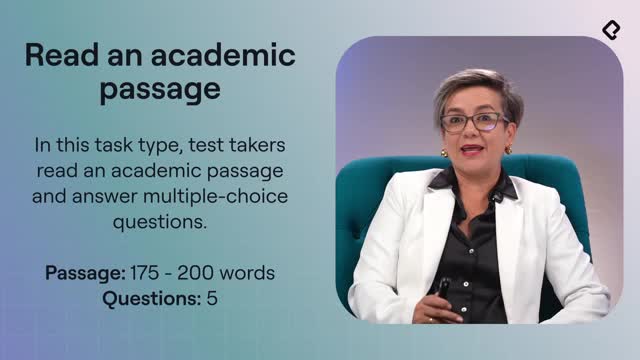
The talks in this task run between 175 and 250 words, which is short enough to stay focused but long enough to include several layers of information. Expect a clear topic, one or two examples, a contrast or comparison, and a takeaway message, exactly the structure used in the hard versus soft fascination talk.
Which type of fascination dominates your day, and what is one small change you could make to give your brain more soft fascination time? Share your answer in the comments.
Hard vs Soft Fascination in TOEFL Listening