Curso de Innovación para Emprendimiento

Creativity as a Skill You Can Build

Curso de Innovación para Emprendimiento

Contenido del curso

Creativity as a Skill You Can Build

Resumen

Creativity is not a gift reserved for a lucky few, it is a skill any entrepreneur can build with practice. If you learn how to develop creativity, you unlock the ability to leave familiar territory and design unique, useful solutions, which is exactly what leaders and team members need today.

Why is creativity essential for entrepreneurs?

Creativity lets you disconnect from what is already known and step into uncharted territory to create solutions that are both original and useful. In an environment where every professional is expected to think in an entrepreneurial way, working on your creative muscle stops being optional.

The old belief that only a handful of creative geniuses were born with the talent no longer holds. Creativity works like any other muscle: you train it, you push it, and it grows.

Can anyone become more creative? Yes. Creativity is a skill you develop with attention and practice, not a fixed trait. You already had it as a kid, so the work is more about rediscovering it than building it from scratch.

What is pareidolia and how does it train your brain?

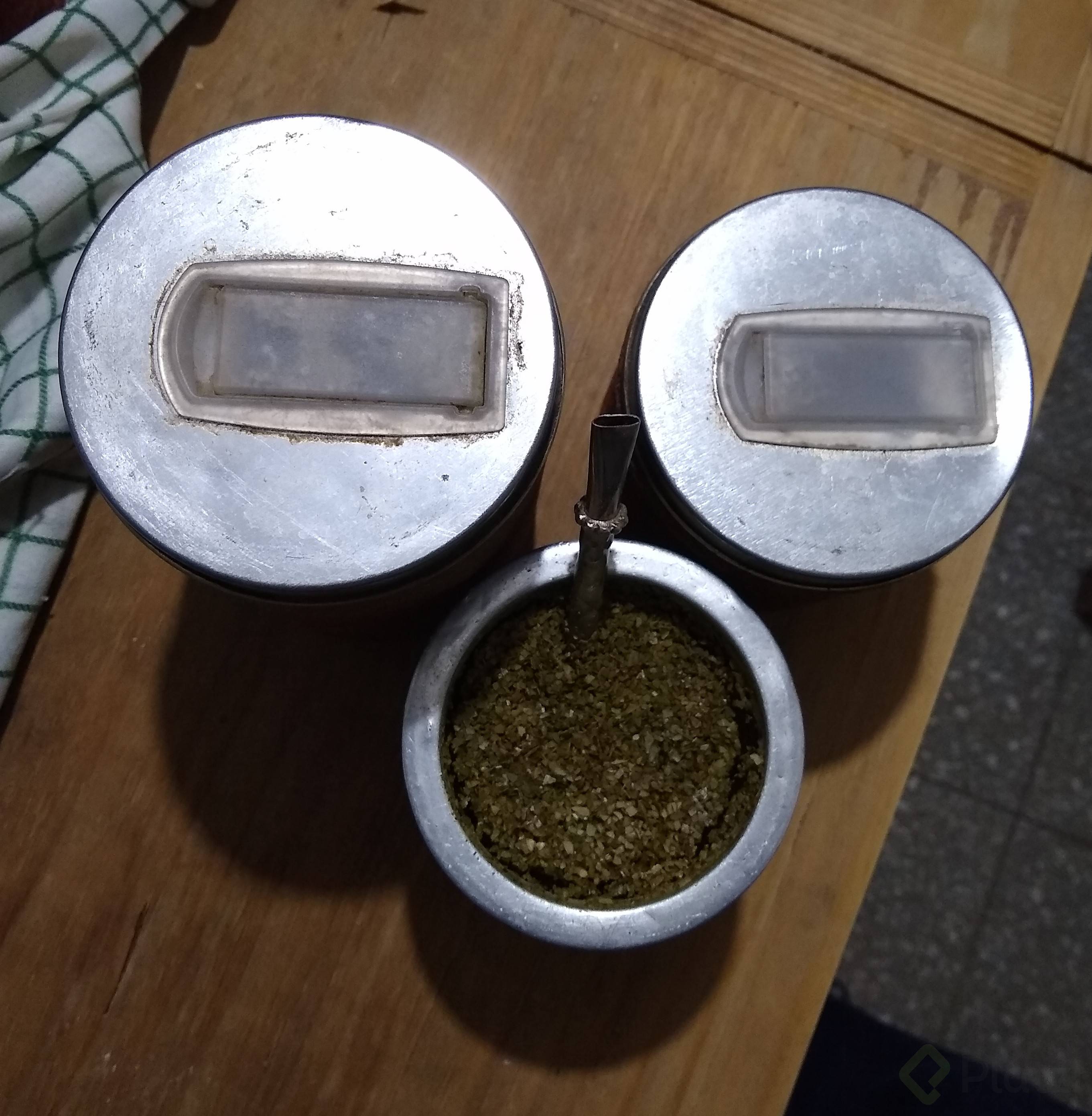
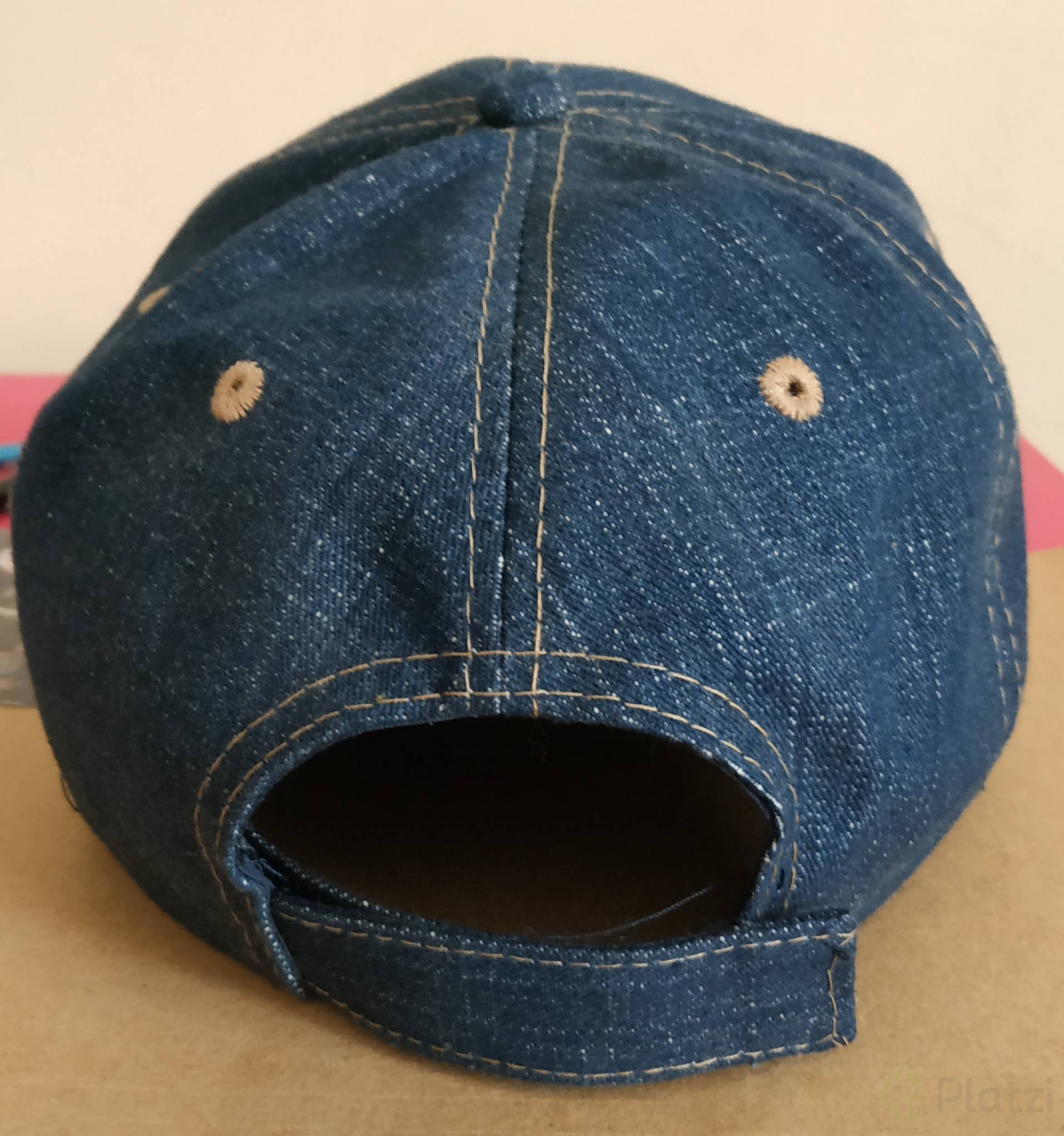
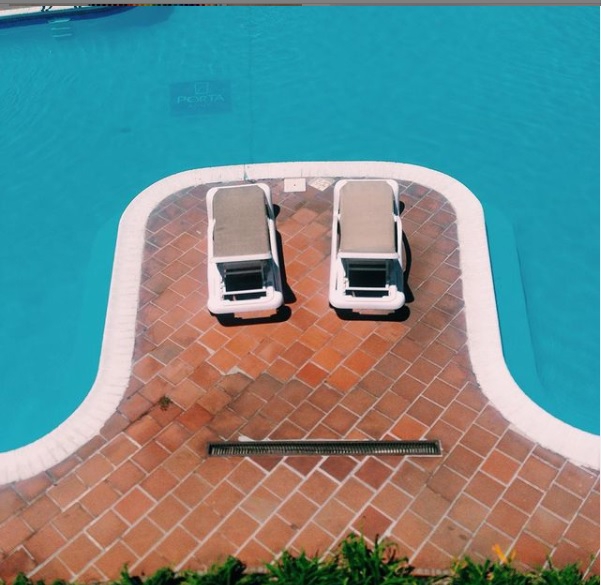
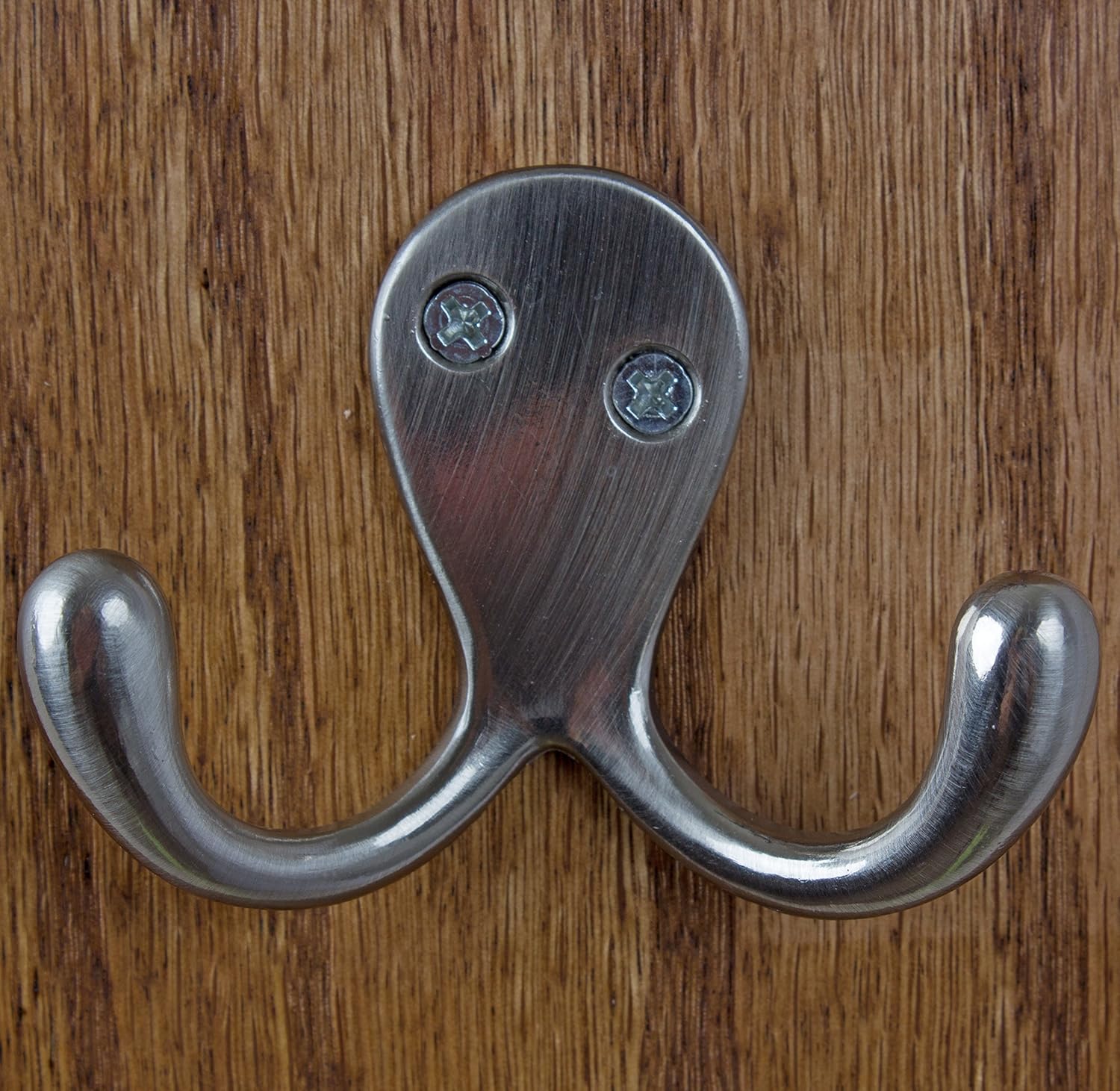
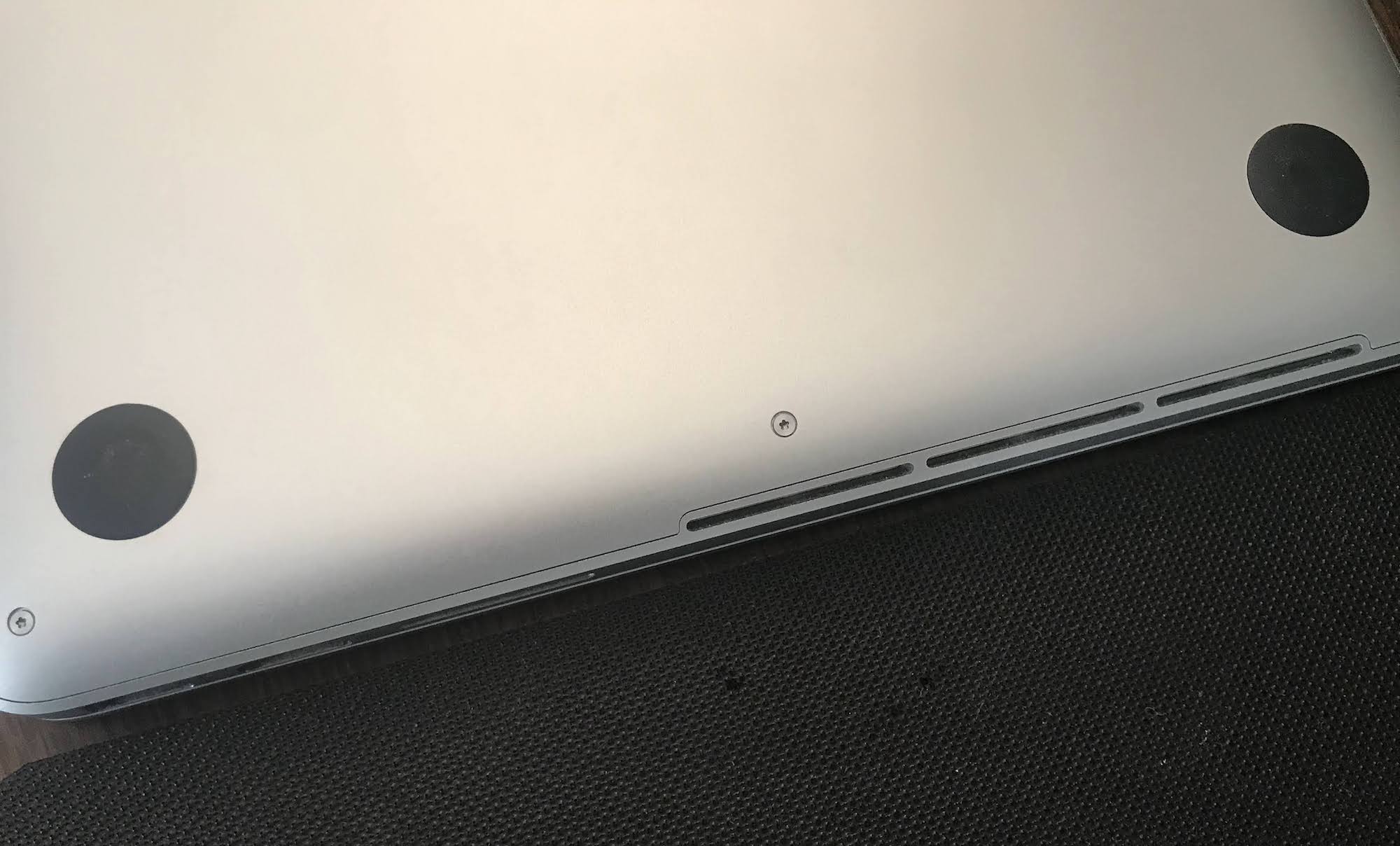
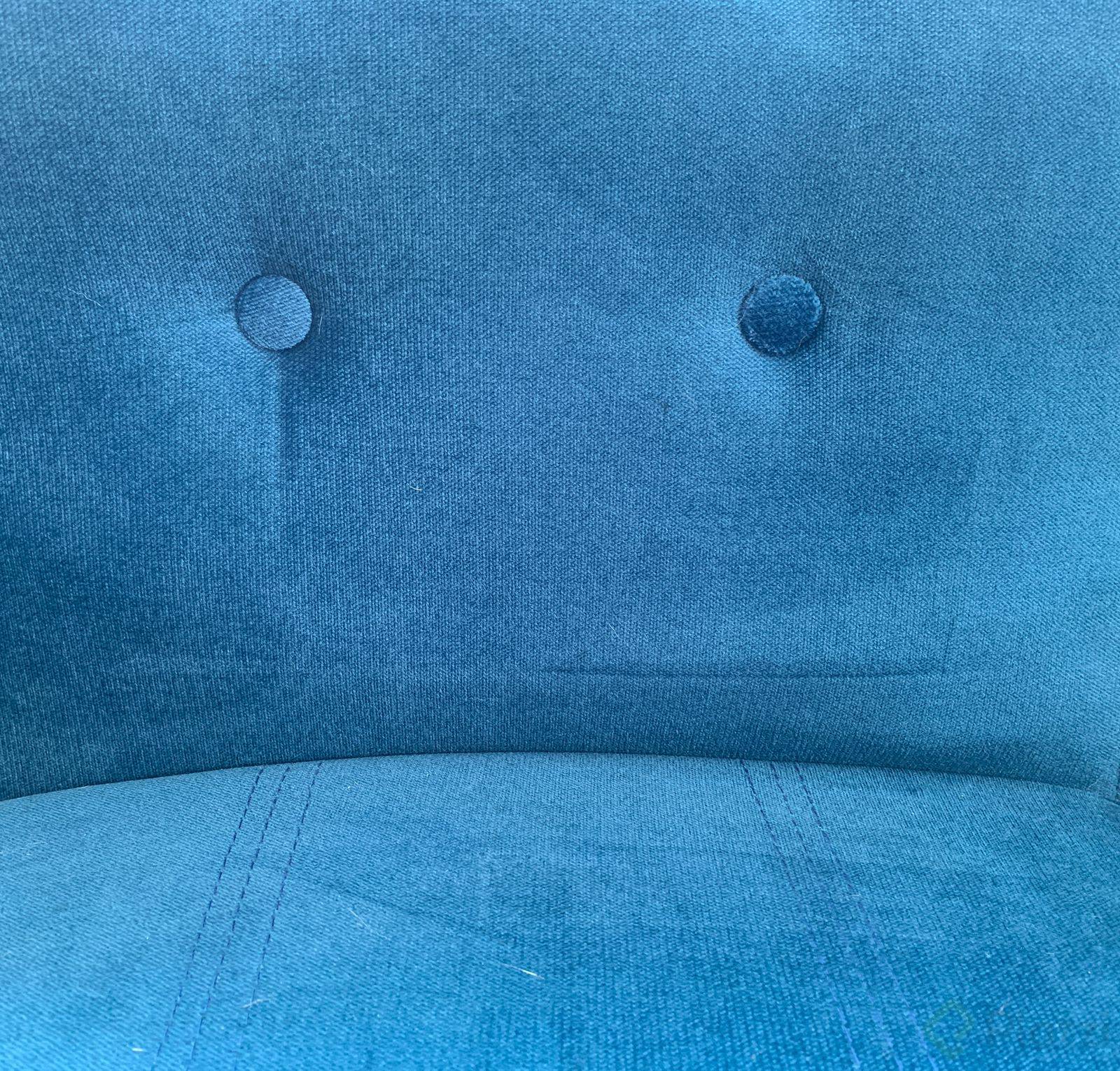
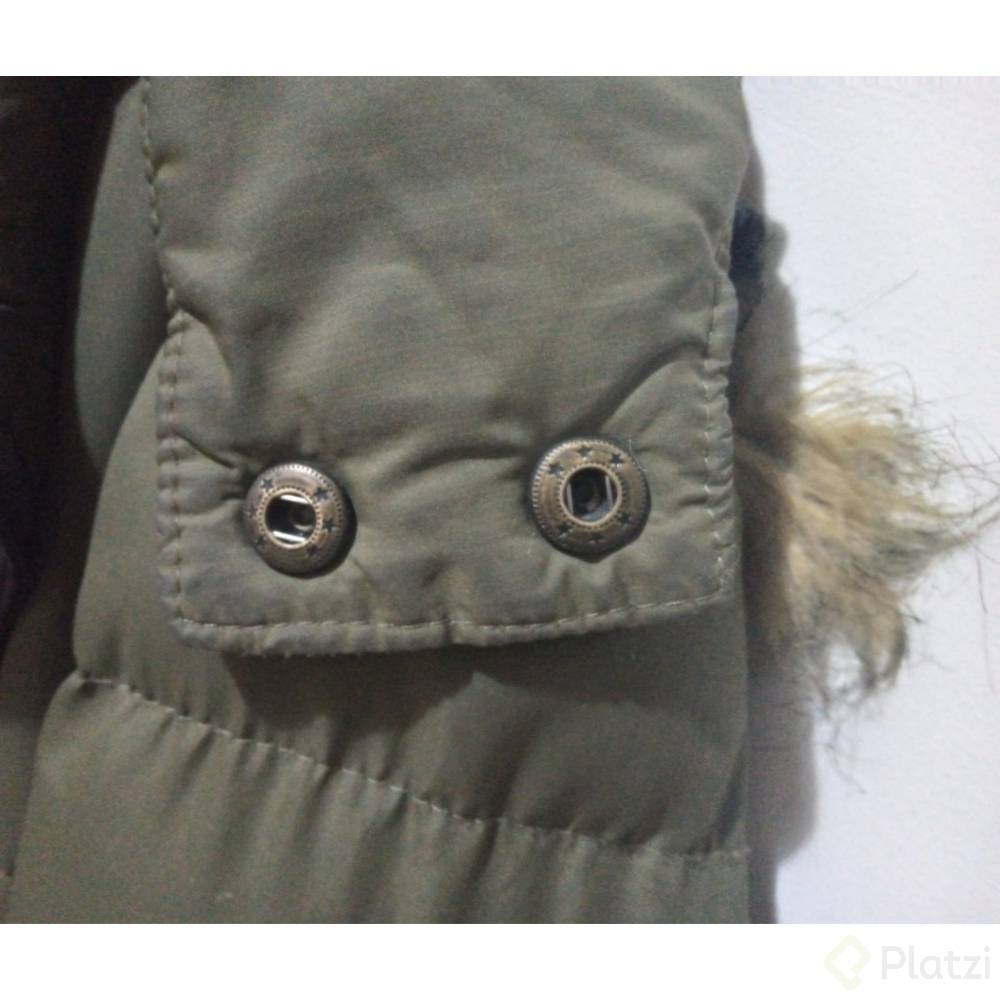
One small but powerful way to start thinking differently is pareidolia, the ability to see faces or patterns in inanimate objects [01:36]. When you look at a mop and suddenly notice a monster, an avatar or a face staring back, that is pareidolia in action.

This matters because creative people are constantly paying attention in a different way than most. They notice what others walk past. You can flip that switch in your brain and start training this kind of observation on purpose.

How can you practice pareidolia every day?

A simple habit works better than any complex method. Try this:

  • Follow the Instagram account Faces Everywhere, which curates pareidolia from users around the world.
  • Walk through your home, office or street looking specifically for hidden faces.
  • Take a picture whenever you spot one, so you train the habit of capturing what you see.

Once you start looking, faces really do appear everywhere. The shift is not in the environment, it is in your attention.

How do you think bigger when solving a problem?

Thinking big is the second pillar of creativity, and it starts with how you define the challenge. Grab a piece of paper and design a flower vase. Chances are, you drew something pretty standard, because that is what almost everyone does [03:23].

And here is where it gets interesting. Before designing the object, ask what problem the object actually solves. A flower vase is not really about holding flowers, it is about letting people experience flowers at home. The moment you redefine the problem, the solutions multiply.

What happens when you redefine the problem?

When the challenge becomes experiencing flowers instead of storing them, the ideas open up in unexpected directions [04:47]:

  1. Edible flowers you can taste, turning the experience into food.
  2. Flowers strung on a window, so a rainy day still feels like a field in bloom.
  3. Wearable or tactile plant solutions, where the experience is about touch, not only sight.

Notice the pattern. None of these look like a vase, yet all of them solve the real problem better than a vase would.

How do I get out of the box when brainstorming? Stop designing the object and start describing the experience or outcome the user actually wants. Once the problem is framed broadly, your brain stops copying and starts creating.

How do you keep developing creativity over time?

Creativity is not a one-time exercise, it is a practice you return to. Two habits make a real difference: paying attention to your surroundings in a fresh way, and reframing every problem before jumping to a solution.

Remember, you were wildly creative as a kid. The goal is not to invent that capacity, it is to find it again inside yourself. And if you want to keep training, there is a Platzi audio course on creativity in Spanish linked in the Resources section that pairs perfectly with the pareidolia exercise.

Now it is your turn. Look around your environment, spot a face in an inanimate object, take the picture yourself instead of searching online, and share your pareidolia in the comments. I want to see your first sign of creativity in action.