Curso de Innovación para Emprendimiento

Iterations, Pivots, and Killing Bad Ideas

Curso de Innovación para Emprendimiento

Contenido del curso

Iterations, Pivots, and Killing Bad Ideas

Resumen

After building a prototype, the real work begins: testing, learning, and deciding whether to iterate, pivot, or let the idea go. This is where entrepreneurs validate assumptions before committing resources, and where lean startup thinking pays off.

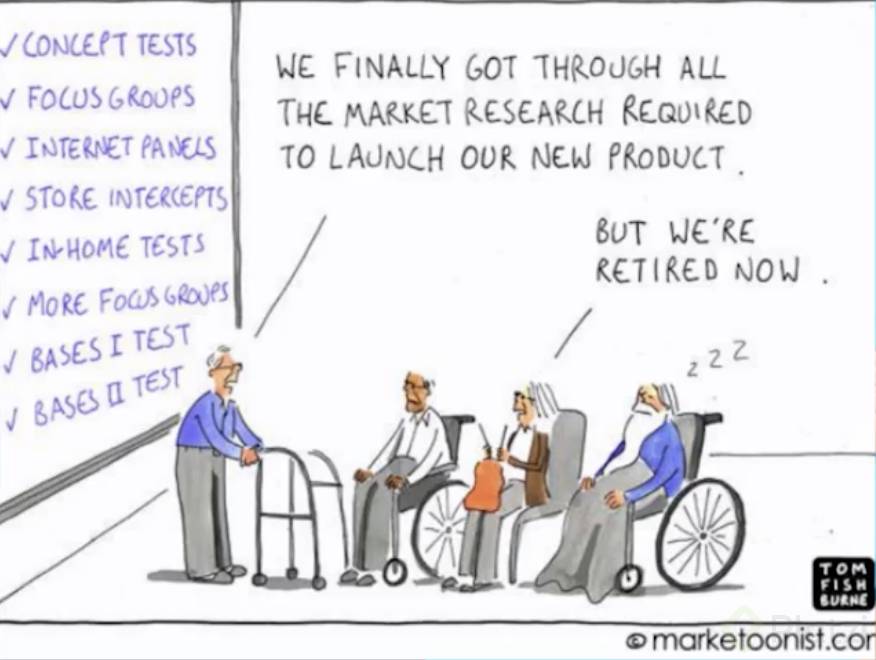
The prototype process is a cycle, not a one-shot event. You build, test, learn, adjust, and start again until the concept is validated enough to move forward. Expecting to nail it on the first try is unrealistic, but staying in research mode forever is just as risky.

What do you do with prototype test results?

Document every reaction, comment, and observation from the user test. Then organize the information so it becomes actionable instead of a pile of notes.

A simple four-quadrant matrix works well for this. Split what you learned into:

  • Positive points mentioned or perceived by the user.
  • Points that need to change based on feedback.
  • Doubts or questions that emerged during the test.
  • New ideas that came up along the way.

This structure turns raw feedback into a map of what to do next. From there, you decide which changes deserve a small tweak and which ones demand a bigger shift.

What is an iteration in prototyping? An iteration is a small adjustment based on results from a prototype test. For example, if users didn't understand how a date was displayed, you change the format slightly in the next version.

When should you iterate and when should you pivot?

Iterations are the small tweaks. Pivots are the big turns. Both come from the same source, real user feedback, but they operate at very different scales.

What types of pivots exist in innovation?

A pivot is a significant change of direction, and there are several flavors depending on what you learn from testing:

  • Zoom-in pivot: your idea had many features, and the user tells you to focus on just one or a few.
  • Zoom-out pivot: your idea had one core component, and the user needs more around it to see value.
  • Client segment pivot: the solution fits a different type of user than you originally imagined.
  • Client need pivot: your solution solves a different problem better than the one you targeted.
  • Business model pivot: users would rather rent than buy, or subscribe instead of purchase.
  • Channel pivot: users prefer buying in person instead of online, or vice versa.
  • Technology pivot: the system or tech you chose isn't the right fit, so you switch to another.

Netflix is the textbook case. They started shipping DVDs in that famous red envelope and pivoted to streaming, which is exactly what turned them into the giant they are today. That kind of shift isn't a tweak, it's a whole new direction.

What is a pivot vs an iteration? An iteration is a small adjustment to the same idea. A pivot is a bigger change of direction, like switching your target user, business model, or channel based on what testing revealed.

Why letting an idea die is part of innovation

Sometimes the feedback tells you the idea just isn't working. The user doesn't see value, wouldn't use it the way you imagined, and no tweak or pivot will fix it. That's when you have to let go.

Think back to the innovation funnel: you start with many ideas at the top and filter down. When one idea dies, you pull another from the pipeline and put it through the same process. Killing an idea isn't failure, it's the funnel doing its job.

Being willing to walk away is a skill. Founders who cling to a dying idea burn time and money that could go into the next, better bet.

Practical tips to prototype without getting stuck

A few habits make the whole cycle faster and less painful. They also connect directly to the lean startup mindset of shipping quickly and learning in the real world.

  • Don't prototype the complete solution. Break it into parts and validate one piece at a time.
  • Don't take your prototype too seriously. It shouldn't be precious or untouchable.
  • Skip perfectionism. Whatever you can put together is good enough for a first test.
  • Iterate a lot. The first version is just a starting point, not the final answer.
  • Less talking and planning, more doing. Get ideas out into the world instead of polishing them in theory.

Remember how basic the original Twitter prototype was. That's the standard. Build something rough, test it, and let the feedback guide the next version.

Which pivot type do you think would be hardest to accept in your own project? Share it in the comments.