Contenido del curso
Módulo 2: Gestión del alcance y aliados de un proyectos
Módulo 3: Gestión del Cronograma de un proyecto
- 11

How Project Schedule Management Works
03:02 min - 12
Dependencias entre actividades para cronogramas de proyecto
06:46 min - 13
Effort vs Duration: The PERT Method
05:49 min - 14
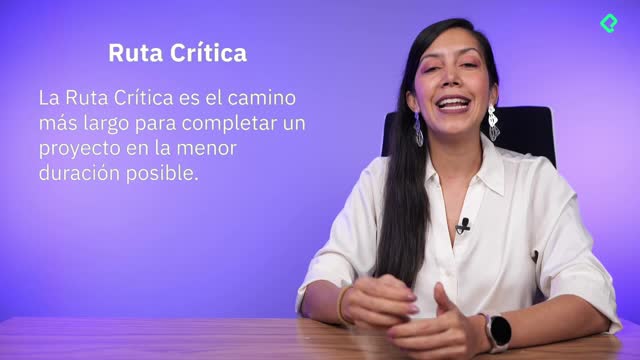
Ruta crítica y cronograma con diagrama de Gantt
05:58 min - 15
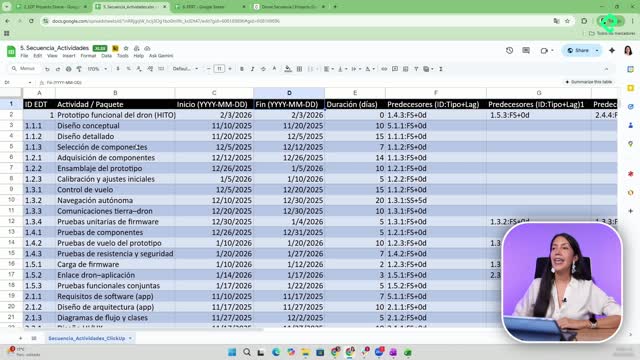
PERT and ClickUp for Project Scheduling
07:56 min - 16
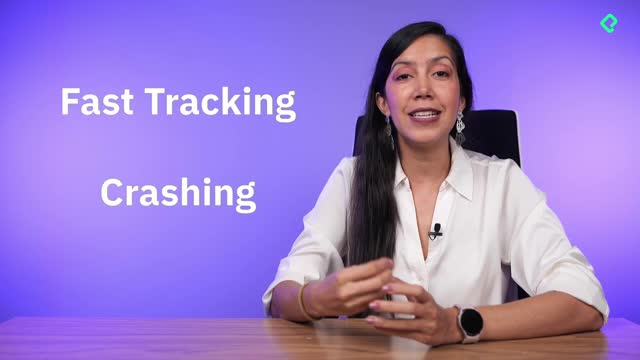
Técnicas de compresión de cronogramas: fast tracking y crashing
09:03 min
Módulo 4: Planificación y Presupuesto de Costos
- 17
Gestión de costos en proyectos: procesos del PMBOK y control
04:23 min - 18
Tres métodos para estimar costos de proyectos con precisión
07:34 min - 19
Presupuestos de proyecto con reservas y curva S para control financiero
09:55 min - 20
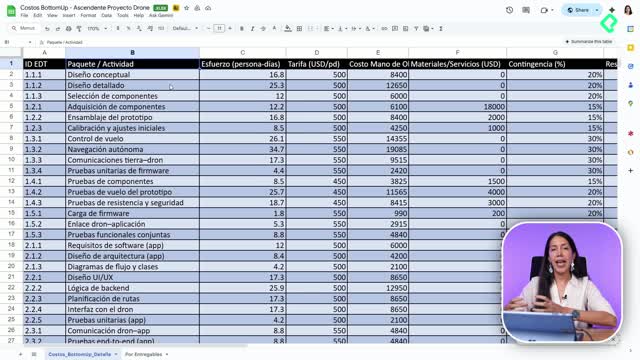
Building a Project Budget Baseline With S-Curve
07:15 min - 21
Why Low Spending Can Hide Project Failure
11:58 min - 22
WSJF and ROI to Prioritize Projects
06:58 min
Módulo 5: Siguientes Pasos
Five PMBOK Process Groups Explained Simply
Resumen
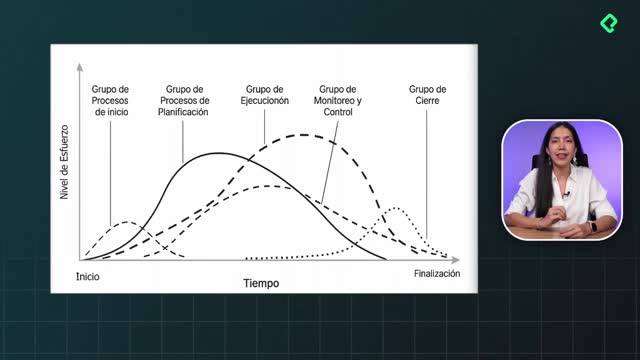
Every project, no matter its size, moves through a predictable path. That path is organized into what we call process groups: a logical framework that helps you structure all the management activities needed to take a project from idea to tangible result. If you are learning project management, understanding these five groups will give you the backbone to run any initiative with clarity.
The Project Management Institute, through its PMBOK guide, defines five fundamental process groups. To make them click, we will walk through them using a predictive (waterfall) project: designing and manufacturing a new model of autonomous delivery drone for a logistics company.
How does the initiating process group start a project?
The initiating group is where the project becomes official. Here you draft the project charter, the document that formalizes the goal and gives the project manager authority to move resources.
For our drone, the charter would set the objective of building a unit capable of carrying packages up to 5 kilograms across a 20 kilometer range. You would define high level goals around shipping cost reduction and faster delivery times, and identify key stakeholders: the engineering team, operations, and investors.
What is a project charter? It is the formal document that authorizes a project, defines its high level objectives, identifies stakeholders, and grants the project manager authority to use organizational resources.
What happens during the planning process group?
Once the project is initiated, planning becomes the detailed roadmap. You and your team set the scope, refine objectives, and define the course of action to reach them.
For the delivery drone, planning would precisely define:
- The chassis materials, motor type, and battery capacity.
- The navigation system and the cargo compartment specifications.
- The safety systems required for autonomous flight.
- Time estimates for component design, prototyping, and testing.
- A detailed budget covering materials, labor, design software, and testing equipment.
You would also identify risks like design failures, supply chain issues for specialized components, or airspace regulations. Everything consolidates into the project management plan, the single source of truth for the work ahead.
How does the executing process group turn the plan into reality?
Execution is the heart of the project work. Here you carry out the activities defined in the plan to produce the deliverables and meet the requirements.
In the drone case, execution looks like engineers drawing detailed blueprints for each component, sourcing materials and sensors, manufacturing prototypes, and assembling the drone. Software teams would code the flight and navigation algorithms, while the project manager coordinates mechanical, electronic, and software engineers and manages contracts with specialized suppliers.
This is where the vision becomes a working machine.
Why are monitoring and controlling critical while you execute?
While you execute, you cannot lose sight of progress. The monitoring and controlling group tracks, reviews, and regulates the project to spot deviations from the plan and trigger corrective actions. It is also where you manage change requests.
For the drone, this means running flight tests with prototypes to verify stability, payload capacity, and battery autonomy, then comparing results against the design specs. If a battery does not reach the desired range, you would analyze the cause and act: optimize the aerodynamic design, switch to a more efficient battery, or adjust the plan to include a recharge stop.
You would also control costs to stay within budget and handle change requests, like integrating a new collision sensor mid testing.
What is the difference between executing and monitoring and controlling? Executing produces the deliverables. Monitoring and controlling measures progress, compares it against the plan, and applies corrective actions or approved changes.
What does iterative and overlapping mean in process groups?
These groups are not rigid stages that finish one after another. They are iterative and overlap constantly across the project life cycle. The output of one process often becomes the input of another, creating a dynamic flow.
Planning does not end when execution begins. It gets refined as you monitor and control the work. Changes spotted during execution send you back to planning, and the cycle continues.
What does the closing process group cover?
The closing group finalizes all activities across the other groups to formally close the project or a phase. It is the official confirmation that the project ended, either because the objectives were met or because a decision was made to stop it.
For the delivery drone, closing would include:
- Delivering the final design and prototypes validated for serial production.
- Securing formal acceptance of the new drone model from key stakeholders.
- Releasing engineering and design team resources.
- Capturing lessons learned about the development process for future projects.
- Closing all contracts with component suppliers.
- Presenting a final project performance report.
Why do the five process groups matter for any project you run?
Understanding these groups gives you a structured frame to manage any initiative. You organize the work, anticipate needs, respond to challenges, and make sure every project you take on is managed effectively and reaches the results you want.
Think of the five groups as your operating system for project management: initiating, planning, executing, monitoring and controlling, and closing. Master them, and you can structure your own project, whether it is a delivery drone, a software launch, or a marketing campaign.
Which of these process groups feels weakest in your current projects? Share your experience in the comments.