Contenido del curso

Módulo 2: Gestión del alcance y aliados de un proyectos
Módulo 3: Gestión del Cronograma de un proyecto
- 11

How Project Schedule Management Works
03:02 min - 12
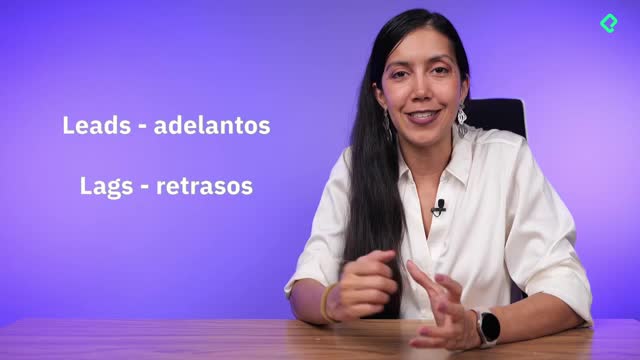
Dependencias entre actividades para cronogramas de proyecto
06:46 min - 13
Effort vs Duration: The PERT Method
05:49 min - 14
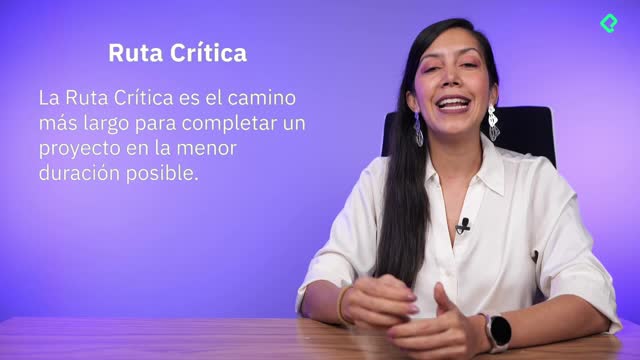
Ruta crítica y cronograma con diagrama de Gantt
05:58 min - 15
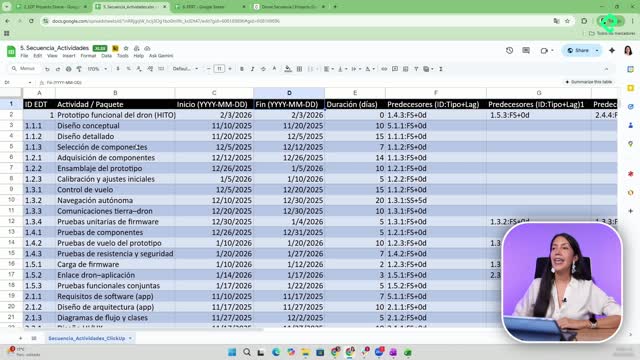
PERT and ClickUp for Project Scheduling
07:56 min - 16
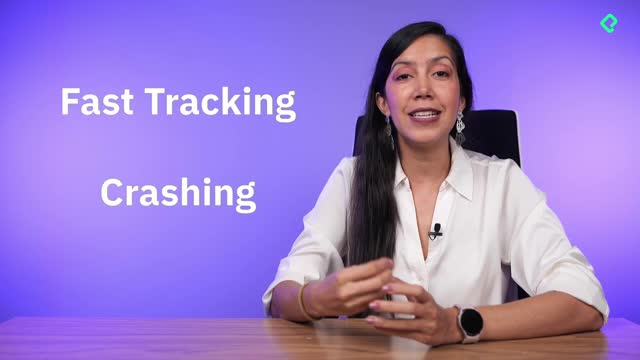
Técnicas de compresión de cronogramas: fast tracking y crashing
09:03 min
Módulo 4: Planificación y Presupuesto de Costos
- 17
Gestión de costos en proyectos: procesos del PMBOK y control
04:23 min - 18
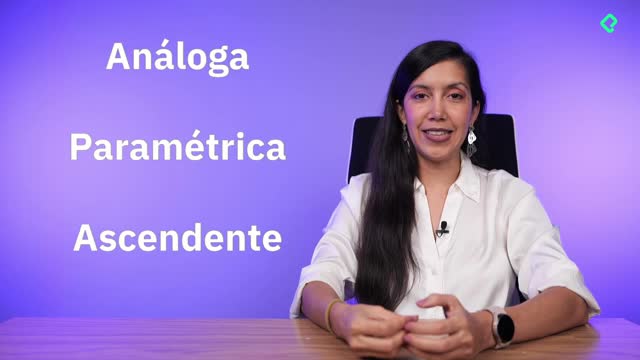
Tres métodos para estimar costos de proyectos con precisión
07:34 min - 19
Presupuestos de proyecto con reservas y curva S para control financiero
09:55 min - 20
Building a Project Budget Baseline With S-Curve
07:15 min - 21
Why Low Spending Can Hide Project Failure
11:58 min - 22
WSJF and ROI to Prioritize Projects
06:58 min
Módulo 5: Siguientes Pasos

Projects vs Operations: Key PM Concepts
Resumen
Project management turns temporary, one of a kind efforts into measurable results, and understanding its core concepts is the first step to leading initiatives that actually deliver. If you are exploring what project management is, how it differs from daily operations, and which approach fits your work, this guide breaks down the foundations used by the Project Management Institute (PMI) and applied across industries.
What is a project according to PMI?
The Project Management Institute defines a project as a temporary effort with a defined start and end, designed to create a unique product, service, or result. Two words carry the weight here: temporary and unique.
Think about a restaurant chain. Opening a new location in another city is a project: dedicated team, initial budget, opening date, and a single deliverable, the working restaurant. Once it opens, the project ends.
What is the difference between a project and an operation? A project is temporary and produces a unique result. An operation is continuous and repetitive, like preparing meals daily, serving customers, or managing weekly inventory. Projects end; operations keep the business running.
How are projects, programs, and portfolios connected?
Projects rarely live in isolation. They often belong to bigger structures that align effort with strategy.
What is a program in project management?
A program is a group of related projects managed in a coordinated way to capture benefits you would not get if you ran them separately. A construction company, for example, can run an urban expansion program that includes building a residential tower, a shopping center, and road infrastructure. Together, they develop a new urban zone.
What is a project portfolio?
A portfolio is a collection of projects, programs, and subportfolios managed as a group to hit a strategic objective. The same construction company could hold an investment portfolio that combines the urban expansion program, a land acquisition program, and the maintenance operations of existing properties, all aligned with growth and profitability.
The hierarchy flows from portfolio at the top, programs in the middle, and projects at the operational level.
What is the iron triangle in project management?
This is one of the most useful mental models you will use as a project leader. The iron triangle, also called the triple constraint, links three interdependent variables: scope, time, and cost.
- Scope: what you will build and which features the product or service will have.
- Schedule: when you will deliver and which dates are critical.
- Cost: how much budget the work will consume.
Move one side of the triangle and the others react. Want to finish earlier? You will likely raise costs with extra staff and overtime, or cut scope by removing features. Does the client ask for more scope mid project? Expect delays, higher costs, or trade offs somewhere else.
In the center sits quality. It is not an explicit constraint, but it suffers when any of the three variables falls out of balance. Your job is to find the optimal equilibrium.
What happens if you change scope in a project? Adding scope usually pushes the schedule and the budget up. To protect quality, you must renegotiate time, cost, or remove other features.
Which project management approach should you choose?
Not every project fits the same method. The right approach depends on how stable your requirements are and how much uncertainty you face.
Predictive or waterfall projects
Also known as traditional projects, predictive ones define scope, schedule, and cost upfront. Phases run in a linear sequence and each one closes before the next begins. They work best when requirements are clear and uncertainty is low.
A classic example is constructing a building. You cannot install the roof before the walls, and the budget is locked in from day one with strong clarity.
Agile projects
Agile uses an iterative and incremental approach. Work splits into short cycles called sprints, value is delivered continuously, and requirements evolve as the team learns. Early customer feedback is essential.
A strong example is building an e commerce platform. Users request new features, the team ships small releases, gathers feedback, and improves the product in fast cycles.
Hybrid projects
Hybrid approaches combine predictive and agile elements to capture the best of both. Picture the development of an electric vehicle: hardware like chassis, motors, and battery follows a predictive plan because it is rigid and detail heavy, while the software for infotainment, navigation, and over the air updates runs on agile sprints to adapt to user needs and tech innovations.
Choosing the right method directly shapes how you manage the iron triangle and, ultimately, how successful your project will be.
What is the PMBOK Guide and why does it matter?
The PMBOK, short for Project Management Body of Knowledge, is the reference manual published by PMI that compiles the processes, tools, and techniques generally accepted in the profession. In short, PMI defines the project manager profession, and the PMBOK is the playbook to execute projects successfully. Visit the resources section of this class to explore PMI and the PMBOK Guide in depth, and share in the comments which approach fits your current project best.