Contenido del curso


Módulo 2: Gestión del alcance y aliados de un proyectos


Módulo 3: Gestión del Cronograma de un proyecto
- 11

How Project Schedule Management Works
03:02 min - 12

Dependencias entre actividades para cronogramas de proyecto
06:46 min - 13

Effort vs Duration: The PERT Method
05:49 min - 14

Ruta crítica y cronograma con diagrama de Gantt
05:58 min - 15
PERT and ClickUp for Project Scheduling
07:56 min - 16

Técnicas de compresión de cronogramas: fast tracking y crashing
09:03 min
Módulo 4: Planificación y Presupuesto de Costos
- 17

Gestión de costos en proyectos: procesos del PMBOK y control
04:23 min - 18

Tres métodos para estimar costos de proyectos con precisión
07:34 min - 19
Presupuestos de proyecto con reservas y curva S para control financiero
09:55 min - 20
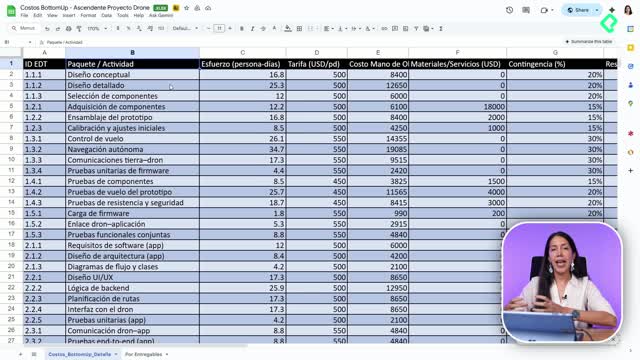
Building a Project Budget Baseline With S-Curve
07:15 min - 21
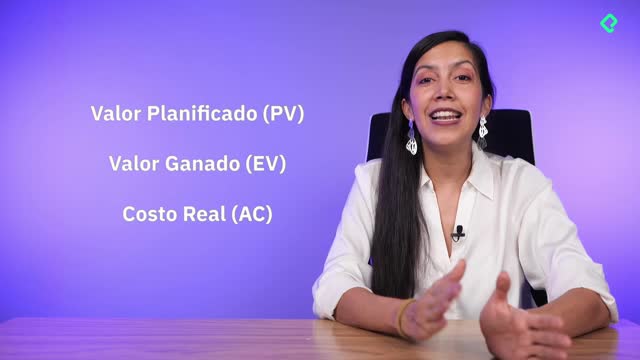
Why Low Spending Can Hide Project Failure
11:58 min - 22

WSJF and ROI to Prioritize Projects
06:58 min
Módulo 5: Siguientes Pasos

PMO Types Every Project Manager Should Know
Resumen
A Project Management Office (PMO) is the organizational structure that turns scattered project efforts into a coordinated strategy. If you want to understand how companies keep dozens of projects aligned, on budget, and tied to long-term goals, the PMO is where that magic happens. This guide breaks down what a PMO does, the three types defined by the PMI, and why every project manager should know how they work.
What does a PMO actually do inside an organization?
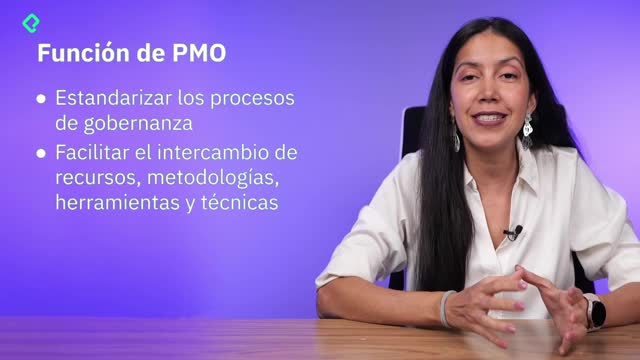
Think of the PMO as the operations brain of project work. Its main job is to standardize governance processes across projects and to make it easier for teams to share resources, methodologies, tools, and techniques.
In practice, that means making sure every project speaks the same language, follows proven practices, and moves in sync toward strategic objectives. Without that layer, projects tend to drift, duplicate work, or pull in opposite directions.
What is a PMO in simple terms? A PMO is a team or office inside a company that sets the rules, tools, and standards for how projects are run, so they all stay aligned with business goals.
What are the three types of PMO defined by the PMI?
Not every PMO works the same way. The level of authority a PMO has over projects can shift dramatically depending on what the organization needs. The PMI identifies three main models, each with a different degree of control.
How does a supportive PMO work?
The supportive PMO acts as a consulting resource. It provides templates, best practices, training, access to information, and lessons learned from past projects. It is essentially a knowledge repository.
Its level of control is low, so project teams keep a lot of autonomy. Imagine a software company where each squad picks its own methodology: the supportive PMO might offer a portal with project plan templates, a forum to share experiences, and training sessions on new tools, but using them is optional. The project manager decides.
What makes a controlling PMO different?
A controlling PMO does more than support. It requires a certain level of compliance, with a moderate degree of control. That compliance can take several forms:
- Adoption of specific project management frameworks or methodologies.
- Mandatory use of templates, forms, and tools defined by the office.
- Conformity with governance frameworks, policies, and organizational procedures.
Picture a large construction firm. Its controlling PMO might require every project to use the same safety plan template, follow a standardized change management process, and report progress through a specific software. The goal is consistency and visibility across the portfolio.
When does a directive PMO take over?
The directive PMO holds the highest degree of control. It does not just supervise projects, it directs them. Project managers are assigned by the PMO and report directly to it.
Think of an agency running multiple national infrastructure projects. The directive PMO actually executes the work. Project managers belong to the office, and resources and authority flow straight from there, guaranteeing full alignment with the agency's objectives.
Which type of PMO has the most authority? The directive PMO. It owns the projects, assigns the project managers, and runs execution directly, while supportive PMOs only advise and controlling PMOs enforce standards.
How does a PMO connect projects to business strategy?
Beyond running individual projects, the PMO carries an organization-wide responsibility: supporting strategic alignment and delivering organizational value. It integrates data and information from strategic projects to evaluate how well high-level objectives are being met.
The PMO is the natural link between three layers:
- Portfolios, the full collection of projects and programs in the organization.
- Programs, groups of related projects managed together.
- Individual projects, connected to the company's measurement systems.
If a company's strategy is to lead in sustainability, the PMO ensures every initiative, from new product development to internal process optimization, contributes to that goal. It tracks metrics like carbon footprint reduction or the use of recycled materials in each project, so strategy is not just a slogan on a wall.
Does every company need a PMO?
Short answer: no. Not every organization has a PMO, and not every organization needs one. Whether it exists, and which type fits best, depends on the size of the company, the complexity and number of its projects, and the maturity of its project management practices.
Still, understanding that this structure exists, and knowing its functions and types, is essential knowledge for any project manager. Whether you work in a small business or a global corporation, your ability to spot the need for better project structure, propose best practices, and even help build a project management team can be a real career differentiator.
A PMO, whether supportive, controlling, or directive, can be the piece that drives standardization, optimizes the use of resources, and aligns project efforts with strategic objectives, creating meaningful organizational value. Have you worked with a PMO before? Share which type fits your company best in the comments.